

Useful Links
Other Services we provide in Smithtown
No and this catches a lot of Smithtown homeowners off guard. As of July 1, 2019, Suffolk County banned cesspool-only replacements. If your system fails and needs to be replaced, the new installation must include at minimum a conventional septic tank preceding the leaching structure. You can no longer swap one cesspool for another and call it done.
This matters especially in Smithtown because so much of the town’s housing stock particularly in the Smithtown hamlet and Kings Park neighborhoods was built in the 1940s through 1960s with original cesspool systems. Many of those systems are now well past their expected 30 to 40 year lifespan. When they fail, the replacement has to meet current Suffolk County standards. We handle the permit application and system design to make sure what gets installed is fully compliant with SCDHS requirements.
Installation costs vary depending on the type of system, the condition of the site, and what’s already in the ground. We provide free estimates so you know exactly what you’re looking at before any work is scheduled no verbal ballparks that change when the crew arrives.
What many Smithtown homeowners don’t realize is that grant funding can cover a substantial portion of the cost for eligible installations. The Suffolk County Septic Improvement Program, combined with New York State grants, currently offers up to $45,000 for qualifying I/A OWTS nitrogen-reducing system installations. The Town of Smithtown’s own website hosts the Residential Septic Improvement Program page referencing this funding. It’s real money, it’s available now, and it’s distributed on a first-come, first-served basis meaning waiting has a direct financial cost. Those grants are paid directly to the licensed installer after final inspection, so you only pay the remaining balance out of pocket.
The physical installation work on most residential properties in Smithtown takes one to five days, depending on the system type and site conditions. A straightforward replacement in a neighborhood with good soil access might be completed in one to two days. More complex jobs larger systems, tighter access, or properties near the Nissequogue River where higher water table conditions require more careful engineering can run closer to the longer end of that range.
What takes longer is the permit process. Suffolk County requires a permit application that includes engineered plans, soil testing results, and setback documentation before any work can begin. SCDHS typically takes two to four weeks to process a permit application. We handle that application on your behalf, so you’re not navigating the county process on your own. The best time to start that process is before your system reaches a crisis point once it fails, you’re working against the clock.
Yes, every time. Cesspool installations and replacements in Smithtown require a permit from the Suffolk County Department of Health Services no exceptions. The application has to include engineered plans, soil testing results, and documentation showing that the system meets setback requirements from wells, property lines, and water bodies. Given Smithtown’s proximity to the Nissequogue River and Smithtown Bay, the setback requirements for properties near those water features are particularly relevant.
Skipping the permit process isn’t just a regulatory violation it creates real problems for you as the homeowner. Unpermitted work can void your certificate of occupancy, create issues with your homeowner’s insurance, and become a serious obstacle when you go to sell the property. In a market where Smithtown homes are moving in under a month, a permit problem discovered during a buyer’s inspection can kill a deal fast. We pull every required permit as part of the job, and the final SCDHS inspection is coordinated before the project is considered complete.
I/A OWTS stands for Innovative and Alternative Onsite Wastewater Treatment System. These are nitrogen-reducing systems that treat wastewater more effectively before it reaches the soil, removing 70 to 90 percent of nitrogen compared to virtually zero removal from a conventional cesspool. Since July 2021, new single-family home construction in Suffolk County is required to install an I/A OWTS system rather than a conventional septic setup.
For existing Smithtown homeowners replacing a failing system, a conventional septic tank and leaching pool configuration is still permitted under current rules but an I/A OWTS upgrade is worth considering, particularly for homes in Kings Park and other neighborhoods close to the Nissequogue River and Smithtown Bay. The nitrogen that conventional systems release travels through Suffolk County’s sandy soil directly toward that watershed. Beyond the environmental consideration, the grant funding picture makes I/A OWTS installations more financially accessible than many homeowners expect up to $45,000 in combined State and County grants for eligible installations. We can walk you through which system makes sense for your property and what the grant process looks like.
This is more common than you’d think, especially in the older neighborhoods of Smithtown hamlet and Kings Park where homes were built in the 1940s through 1960s and records from the original installation simply don’t exist. No survey, no map, no documentation just a house that’s been on a cesspool for 60 or 70 years and a homeowner who has no idea where to start.
We specialize in locating hard-to-find cesspools. This is a real skill, not a minor detail unnecessary excavation trying to guess where a system is located wastes time and money and can damage landscaping or other underground utilities. The process of locating the system is part of the initial assessment, and it happens before any digging begins. Once the system is located, our crew can evaluate its condition, determine what type of replacement is appropriate for your property, and walk you through the permit and installation process from there. If your home is in one of Smithtown’s older neighborhoods and you’re not sure where your cesspool is or how old it is, that’s exactly the kind of situation where calling for a free estimate makes sense before anything else.
Hear from Our Customers
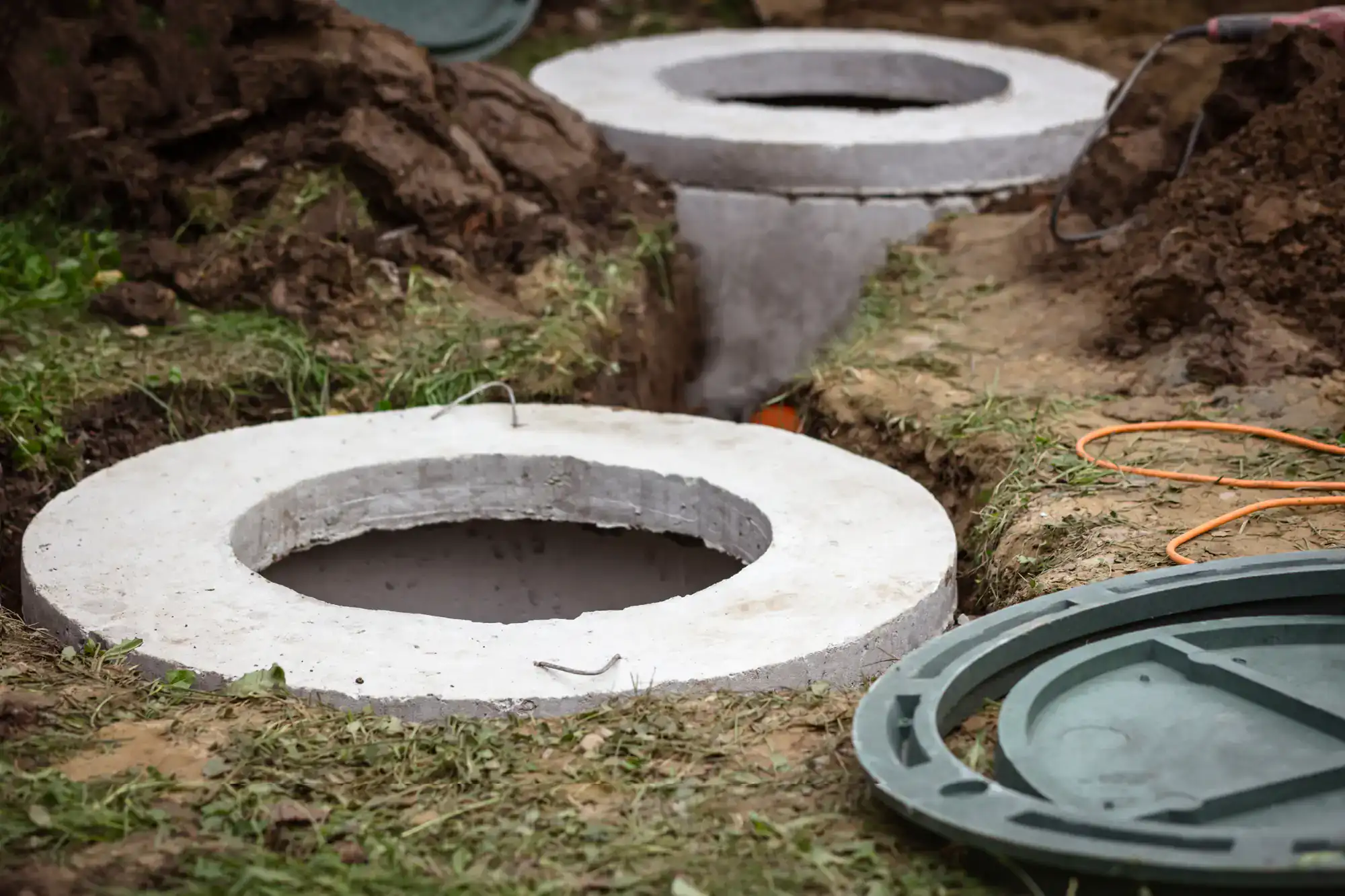
A home built in Kings Park or the Smithtown hamlet in 1958 is carrying a cesspool that’s now pushing 65 or 70 years old. At some point, the question stops being “is it going to fail?” and starts being “do I want to choose when this gets handled, or do I want the system to choose for me?”
A properly installed replacement means you’re not fielding emergency calls on a Sunday night, not scrambling for quotes under pressure, and not watching a home sale fall apart because an inspector flagged a failing system.
Smithtown’s real estate market doesn’t leave much room for surprises. Homes here are selling in a median of 23 days at over 105% of list price, with median values pushing toward $763,000. That’s a serious asset. A cesspool failure or a red-flag inspection during a transaction can stop a sale cold or force you into an emergency installation with no time to plan, no time to compare, and no opportunity to apply for grant funding that could cover a significant portion of the cost.
And there’s the Nissequogue River to think about. It runs nine miles through the heart of Smithtown before reaching Smithtown Bay and Long Island Sound. Groundwater from aging cesspools in Kings Park and across the Smithtown hamlet moves through Suffolk County’s sandy soil toward that watershed. A properly installed, compliant system especially one that reduces nitrogen output protects the waterway that defines the North Shore character of this town, not just your property.
Drastic Drainage Long Island is a family-owned, fully licensed, insured, and bonded cesspool company based in Suffolk County. Our license number LW-63684 is issued by Suffolk County Consumer Affairs you can verify it before you ever pick up the phone. That’s the kind of transparency this work requires, and it’s the baseline you should expect from anyone you let dig up your yard.
With over 30 years of experience working across Nassau and Suffolk Counties, our crew has seen the full range of what Long Island’s housing stock throws at a cesspool installer. That includes the older cesspool ring systems common in the historic Smithtown hamlet core, the variable soil conditions across Smithtown’s six hamlets, and the higher water table neighborhoods closer to the Nissequogue River and the Sound where installation requires more careful engineering.
This isn’t a national franchise routing calls through a call center. We’re a local operation that knows Smithtown and the surrounding area, understands what Suffolk County’s permit process actually looks like from the inside, and handles every job from excavation through final site restoration without handing it off to someone else.
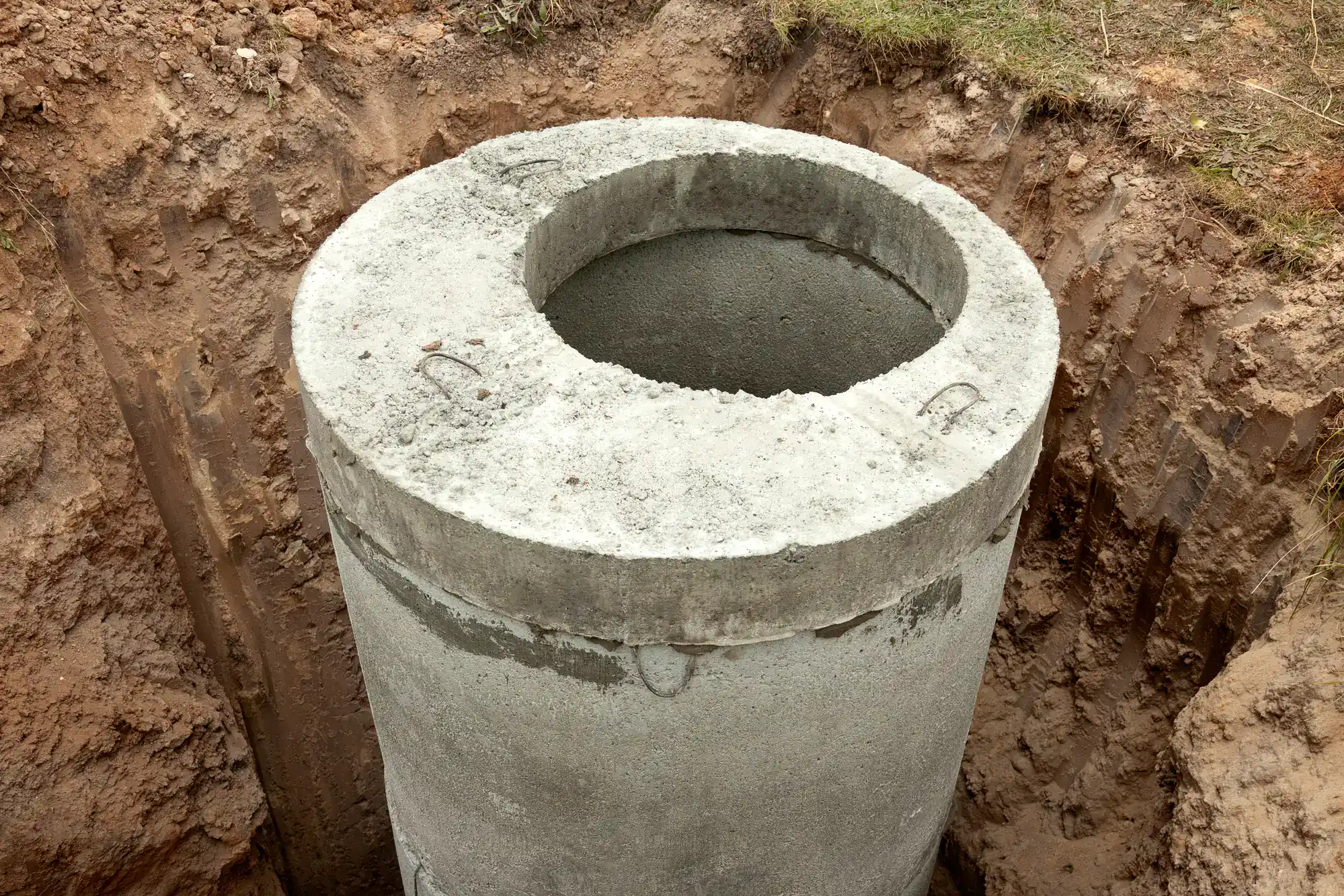
It starts with a free estimate. Not a ballpark over the phone, but a real assessment of your property and your system what’s there, what’s failing, what the right replacement looks like for your specific situation. For homes in Smithtown, that means accounting for soil conditions that vary across the town’s hamlets, proximity to the Nissequogue River watershed, and whether your home is in one of the older neighborhoods where cesspool rings are the norm or a newer development where a full septic system may already be in place.
Once the scope is clear, we handle the Suffolk County permit application. This is not a step you want to skip or hand to someone who doesn’t know the SCDHS process. The application requires engineered plans, soil testing results, and documentation of setback distances. Processing typically takes two to four weeks, and skipping it entirely is how homeowners end up with unpermitted work that voids their certificate of occupancy and creates problems at resale.
Since July 2019, Suffolk County no longer allows a cesspool to be replaced with another cesspool any replacement system must include at minimum a conventional septic tank preceding the leaching structure. We keep up with these requirements so your installation is compliant from day one.
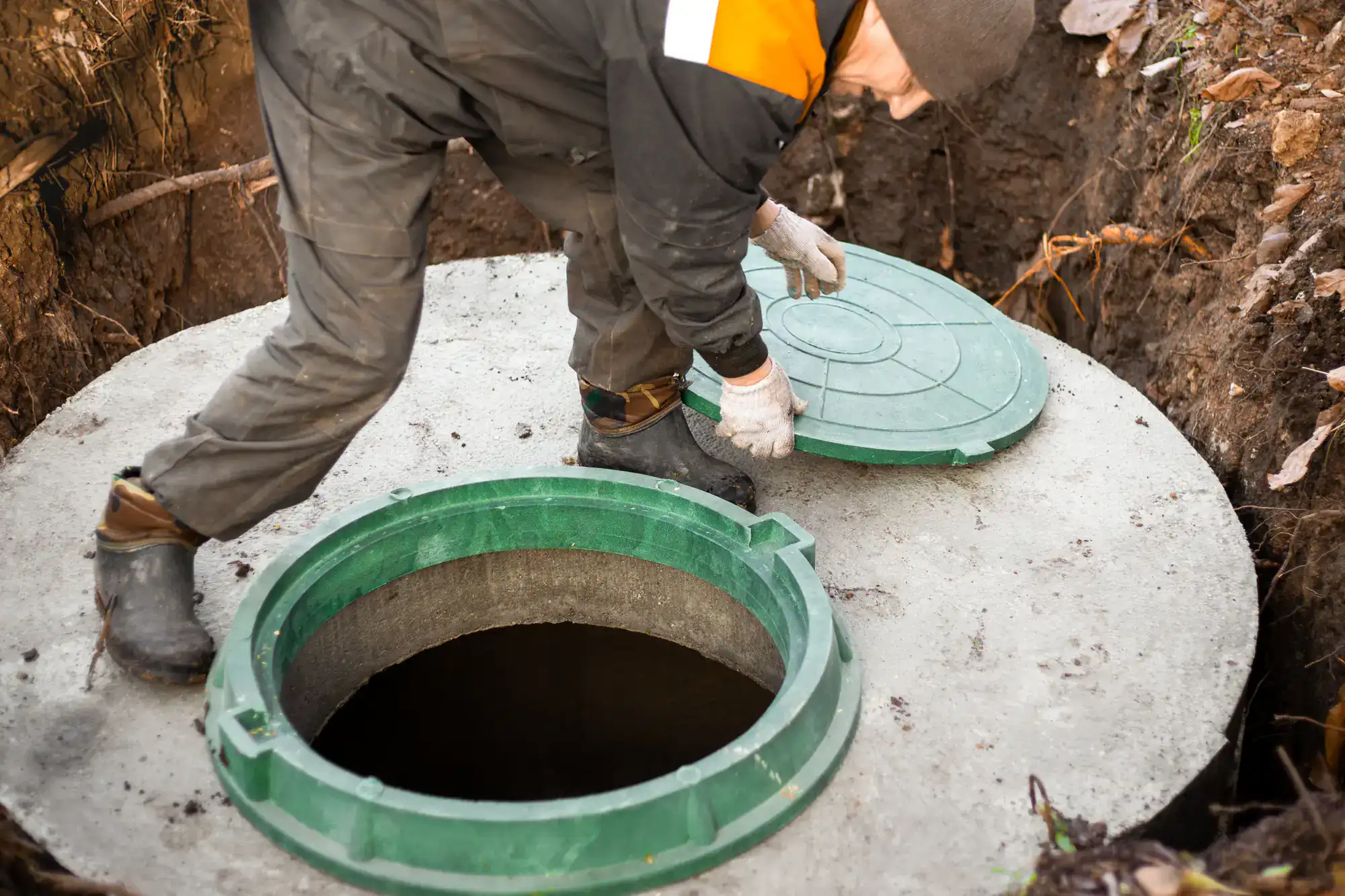
Once permits are in hand, the physical work moves quickly. Most residential installations take one to five days depending on system complexity and site conditions. Our crew handles excavation, tank installation, leaching pool setup, connection to your home’s sewer line, backfill, and grade restoration. When the job is done, the site is cleaned up and the system is ready for its final SCDHS inspection.
Ready to get started?
Cesspool installation isn’t just dropping a tank in the ground. The full scope includes decommissioning the old system, excavating to the required depth typically around 10 to 12 feet deep and 8 to 10 feet wide for most residential properties installing the new tank, setting the leaching pool with proper gravel bedding, connecting everything to your home’s existing sewer line, and restoring the site when the work is done. We handle all of it. No subcontractors, no handoffs, no coordinating between separate crews.
For Smithtown homeowners, the specifics of what goes into your installation depend on where in the town you are. Homes closer to the Nissequogue River and Smithtown Bay particularly in Kings Park deal with higher water table conditions that affect how the system is engineered. Homes in the older Smithtown hamlet neighborhoods frequently have cesspool ring systems that need full replacement rather than partial repair. Homes in Nesconset or Commack may have different soil profiles and system configurations. The free estimate process accounts for all of this before any work is priced or scheduled.
We also handle both residential and commercial installations. The Hauppauge Industrial Park sits partly within the Town of Smithtown if you’re managing a commercial property in that corridor, the same licensed, permitted, full-service approach applies. And if you’re an eligible homeowner considering an I/A OWTS nitrogen-reducing system, ask about the Suffolk County Septic Improvement Program combined State and County grants of up to $45,000 are available for qualifying installations, and that funding is first-come, first-served.
