
Useful Links
Other Services we provide in Smithtown
It depends on what type of system you have. If your Smithtown home has a cesspool which is the case for most properties built before the 1980s in this area the standard recommendation is pumping every one to two years. Cesspools don’t separate solids from liquids the way a septic tank does, so they fill up faster and need more frequent attention to stay functional.
If you have a true septic tank with a distribution box and drain field, the typical pumping interval is every three to five years, depending on household size and usage. A family of four with a 1,000-gallon tank is generally looking at every three to four years. The catch is that many Smithtown homeowners aren’t sure which system they have especially if they bought the home recently or inherited it without service records. We can confirm the system type on arrival and give you a realistic maintenance schedule from there.
Standard residential septic tank pumping in Suffolk County runs roughly $225 to $600, depending primarily on tank size. A 1,000-gallon tank typically falls in the $225 to $400 range. A 2,000-gallon system is generally closer to $400 to $600. Those figures reflect the current 2024–2025 market for the area.
One cost that surprises homeowners especially on older Smithtown properties where lids have been buried for decades is lid excavation. If we have to dig to access the tank, that can add anywhere from $300 to $1,200 to the job depending on how deep the lid is buried and how accessible the area is. This is a legitimate cost, but it’s also one that low-price competitors often leave out of their initial quote. The number you hear from us reflects the actual job, not just the pump-out in the best-case scenario.
This is one of the most common situations in Smithtown’s real estate market right now. Homes here sell fast often in under a month, frequently above asking price and buyers don’t always get complete documentation on the septic system before closing. If you moved into a home built in the 1950s or ’60s anywhere in the Town of Smithtown, there’s a strong chance you have a cesspool that hasn’t been serviced in years, possibly with a lid that’s been buried under lawn growth since the last time anyone touched it.
The straightforward answer is to schedule a service call. We can locate the system, identify whether it’s a cesspool or a septic tank, assess the current condition, and pump it out so you’re starting from a clean baseline. You’ll also have a documented service record from that point forward, which is useful if you ever need to demonstrate maintenance history for a future sale or for Suffolk County regulatory purposes.
If a cesspool or septic system fails in Suffolk County, you can’t simply replace it with the same type of system. Since 2019, Suffolk County has prohibited in-kind cesspool replacement. A failed system has to be upgraded either to a conventional septic system or, in many cases given Smithtown’s proximity to nitrogen-priority waters like Smithtown Bay and the Nissequogue River, to an I/A OWTS (Innovative/Alternative Onsite Wastewater Treatment System). Those upgrades typically cost $15,000 to $20,000 or more before you factor in any landscaping restoration or permit fees.
Beyond the regulatory cost, a failing system creates real problems at the property level sewage backing up into the basement, wet spots or odors in the yard, and potential health department involvement. None of that is a quick fix. Routine pumping on the right schedule is what keeps a system functional long enough to avoid triggering that replacement requirement before you’re ready for it.
A qualified technician can give you a realistic read on this during a standard service call. After pumping, we inspect the tank walls, check the baffles, look for signs of structural damage or infiltration, and assess whether the system is draining properly. If something looks like it’s heading toward failure, we’ll tell you clearly, and without pressure.
What you want to avoid is a company that uses the inspection as an opportunity to recommend expensive work your system doesn’t actually need. We’re explicit about this: we don’t recommend unnecessary techniques or charge high prices for simple tasks. If a pump-out is all you need, that’s what you’ll hear. If there’s a real problem developing, we’ll explain what it is, what it means, and what your options are and you decide how to proceed. In Smithtown, where a system replacement now means a full upgrade under Suffolk County’s post-2019 rules, getting an honest second opinion on any replacement recommendation is always worth doing.
Yes, the Town of Smithtown has been actively expanding its sewer district, and in November 2024 received $21.3 million in state funding toward that effort part of more than $80 million in grants the town has secured since 2017. The expansion is focused on the downtown Smithtown Business District and areas along Route 25A, and it’s specifically designed to address nitrogen contamination flowing toward the Nissequogue River and Smithtown Bay.
That said, the sewer expansion covers a defined geographic area, and the vast majority of residential properties in Smithtown in Kings Park, St. James, Nesconset, Commack, and throughout the town’s neighborhoods are not part of the current expansion zone and won’t be for the foreseeable future. If your home isn’t in the immediate downtown corridor, your septic or cesspool system is still your responsibility, and it still needs regular maintenance on the same schedule. Even for homeowners who are eventually connected to the sewer system, that connection is years away for most, and a neglected system doesn’t wait for a construction timeline.
Hear from Our Customers
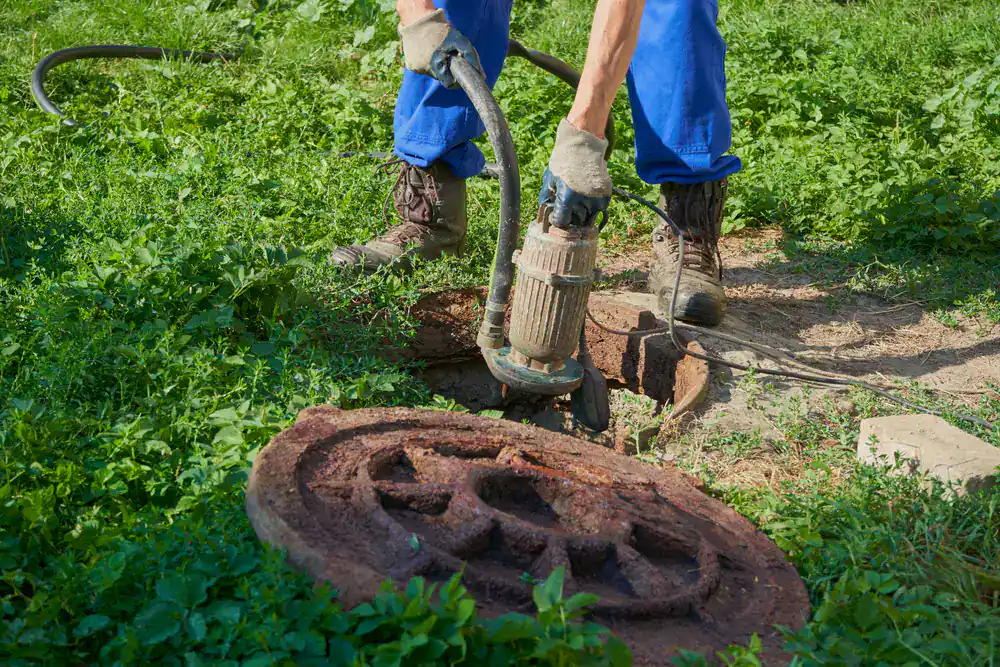
The majority of homes in Smithtown were built during the postwar boom of the 1950s and 1960s. That means the cesspool or septic system underneath your property is likely 50 to 70 years old installed under codes that no longer exist, in conditions that have changed significantly since.
Regular pumping isn’t a luxury. It’s what keeps a system that old from crossing the line from manageable maintenance into a five-figure replacement job.
When a cesspool or septic tank is pumped on schedule, you get early visibility into what’s actually happening underground. We don’t just remove the waste we look at the tank condition, check the baffles, and tell you what we found. That kind of honest assessment is what turns a routine service call into real peace of mind.
For Smithtown homeowners specifically, there’s another reason this matters beyond your own property line. Nitrogen from aging cesspools and septic systems moves through the soil and into the groundwater that feeds the Nissequogue River and Smithtown Bay both documented nitrogen-priority waters. Staying on top of your pump-out schedule is the most direct thing you can do to slow that process, without waiting for a sewer connection or a system overhaul.
We’ve been handling cesspools and septic systems across Suffolk County since 2002, with a team that brings over 30 years of hands-on Long Island experience to every job. That experience is specific it means knowing what a 1962 Smithtown ranch looks like from underneath, how buried lids get buried in the first place, and what the difference is between a system that needs a pump-out and one that genuinely needs more work.
We’re locally owned and operated out of West Babylon, NY. Not a franchise, not a national chain. A real Suffolk County business with a real phone number and real technicians who show up, do the work, and tell you what we found without recommending things you don’t need.
If you’re in Kings Park, St. James, Nesconset, or anywhere else in the Town of Smithtown, you’re well within our service area and our 24/7 availability means a backup on a Sunday morning isn’t a voicemail situation.
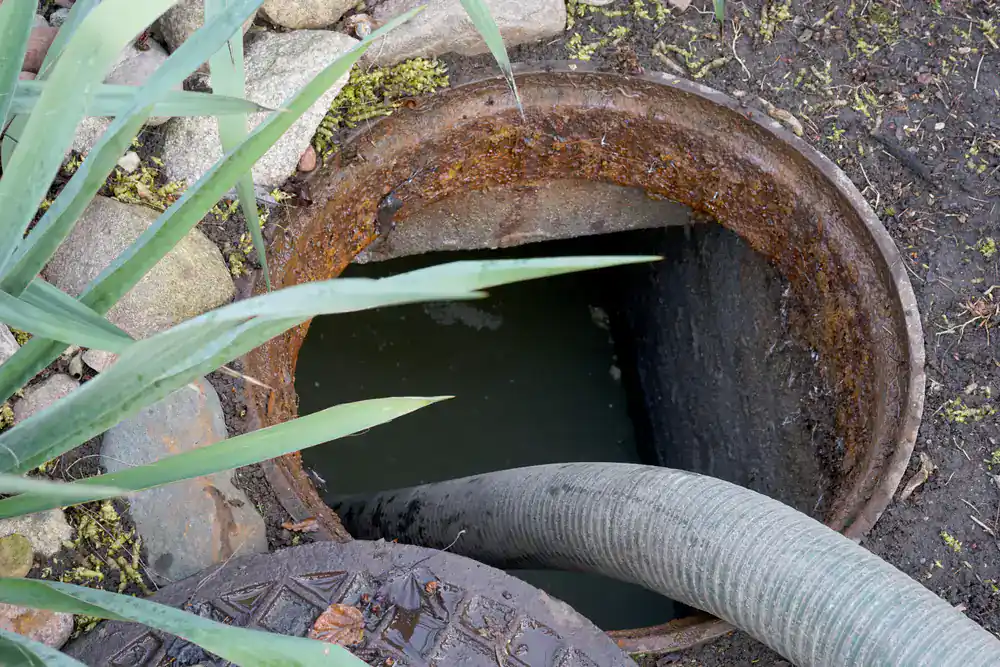
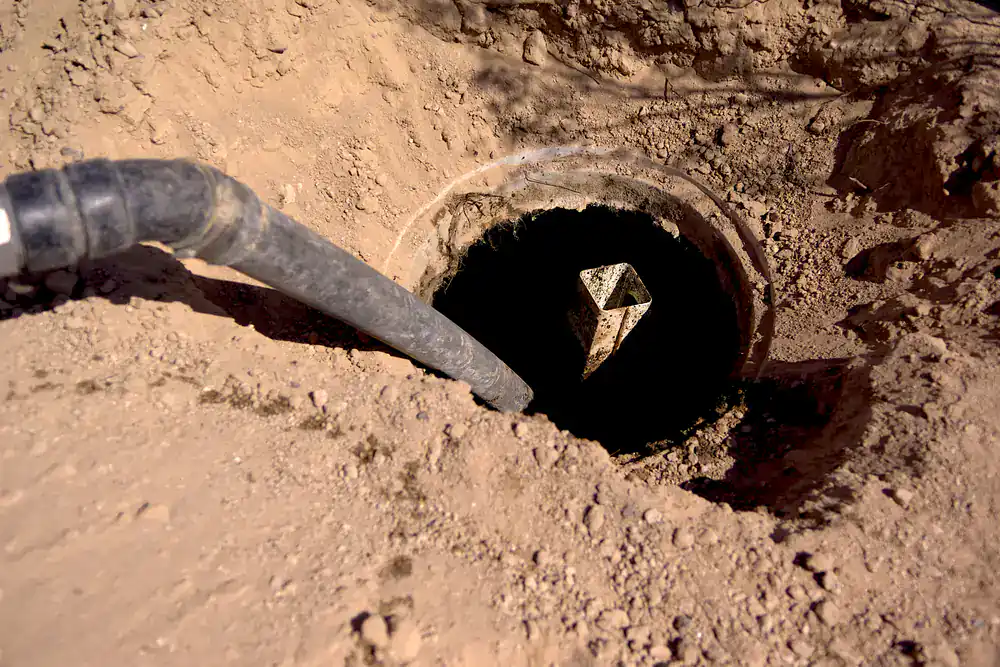
The first step is locating the tank. On older Smithtown properties especially homes built in the 1950s and ’60s in neighborhoods like Kings Park and St. James the cesspool or septic lid is often buried under years of soil and landscaping. We specialize in locating hard-to-find systems, so if you don’t know exactly where your tank is, that’s not a problem you need to solve before calling.
Once the lid is accessed, we pump out all accumulated sludge and waste not just the surface layer. A full pump-out means the tank is emptied completely. From there, we inspect the condition of the tank: baffles, walls, signs of infiltration or damage. If something looks off, you’ll hear about it on the spot, with a clear explanation of what it means and what your options are.
Worth knowing for Smithtown specifically: Suffolk County no longer allows in-kind cesspool replacement as of 2019. If your system fails and needs to be replaced, it has to be upgraded to a compliant septic system or an I/A OWTS a process that can run $15,000 to $20,000 or more. Routine pumping is what keeps you out of that situation for as long as possible. It’s also what gives you documented service history, which matters if you’re planning to sell in Smithtown’s competitive real estate market.
Ready to get started?
Septic tank pumping is the core of what we do in Smithtown, but it’s rarely the only thing a property needs. Older homes throughout the Town of Smithtown from the residential neighborhoods along Route 25 to the quieter streets in Nesconset and the waterfront communities near Head of the Harbor and Nissequogue often have multiple components that need attention over time.
We handle it all under one roof: septic pumping, cesspool pumping, drain cleaning, drywell cleaning, house trap replacements, and main sewage line cleaning and replacement.
For commercial properties or homes with holding tanks, the same approach applies. Holding tank pumping in Suffolk County follows a different schedule than standard septic or cesspool service holding tanks collect all waste with no absorption into the ground, so they fill faster and need more frequent service. If you’re not sure what type of system you have, that’s one of the first things our technician can clarify when they arrive.
We provide a free estimate a real offer, not a foot-in-the-door tactic. You’ll know what the job costs before any work starts. And because we don’t recommend unnecessary repairs or techniques, what you’re quoted is based on what your system actually needs.
