By submitting you consent to receive service-related texts from Drastic Drainage. Reply STOP to opt out. Msg & data rates may apply. Consent not required to book service.
Useful Links
No more guessing. When your cesspool is pumped on a proper schedule, you stop reacting to problems and start staying ahead of them. The slow drains, the smell that creeps up when the weather warms, the anxiety every time it rains hard those go away when the system has room to do its job.
For Coram homeowners specifically, that matters more than most people realize. Your home sits in the Town of Brookhaven, right along the edge of the Central Pine Barrens the deep recharge zone for the Magothy aquifer that supplies drinking water to every Suffolk County resident. The soil here is sandy and porous, which means anything that overflows or leaks from an overloaded cesspool moves fast. Routine pumping is what keeps that from becoming your problem and everyone else’s.
There’s also the financial side. Coram home values have climbed significantly in recent years, with median sale prices now approaching $559,000. A cesspool that backs up during a showing, or one that has no service records when a buyer’s attorney starts asking questions, can cost you far more than the pump-out ever would have. Staying current protects the system and protects what your home is worth.
For most Coram households, every one to three years is the realistic target and that’s on the more frequent end of what you’ll see recommended nationally, for good reason. Long Island’s sandy soil and the water table behavior in central Suffolk mean cesspool systems here don’t have the same drainage dynamics as areas with heavier clay soils. Systems fill faster, and the margin for error is smaller.
If your home was built before 1973, you’re almost certainly on a single-chamber cesspool rather than a modern septic tank. Those systems hold less and require more frequent service. If you’ve recently purchased a home in Coram and don’t have records from the previous owner, treat that as a signal to schedule a pump-out and inspection now not because something is necessarily wrong, but because you need a baseline to work from. Household size matters too: a family of four will fill a system faster than a couple, and the EPA recommends pumping before sludge reaches within 12 inches of the outlet pipe.
Standard residential cesspool pumping in Suffolk County runs between $200 and $500 for a typical job, with the full range extending from around $308 to $1,234 depending on the complexity of the situation. A 1,000-gallon tank generally falls in the $225 to $400 range; a 2,000-gallon tank runs $400 to $600 or more. Coram sits in central Suffolk, not out east, so you’re generally looking at the middle of that range rather than the premium pricing that applies further out on the Island.
What moves the price up is access difficulty, waste volume at the time of service, and whether additional work is needed locating a buried cover, jetting a drain line, or conducting a more thorough cleaning rather than a standard pump-out. The number one complaint in this market is a low phone quote that jumps significantly once the technician is on-site. With us, the quote you get before the job is the price you pay. If something changes the scope of the work, you’ll be told before it happens.
Pumping removes the liquid waste and floating solids from your tank. It’s the standard service most people are thinking of when they call, and for a system that’s been serviced regularly, it’s usually sufficient. Cleaning is more involved it addresses the hardened sludge that accumulates along the walls and bottom of the tank over time, and it typically includes a closer look at the structural condition of the system itself.
For a lot of Coram homeowners with older systems, the distinction matters more than they’d expect. A cesspool that hasn’t been touched in five or ten years isn’t just full it may have significant buildup that a standard pump won’t fully clear. Our technician will assess what’s actually needed once they access the system, and they’ll explain the difference before any additional work is done. You won’t be upsold on cleaning you don’t need, but if your system genuinely requires it, you’ll understand why before the bill reflects it.
This is more common in Coram than most homeowners realize. A large portion of the community was built in the 1950s through 1970s, and in homes that age, cesspool records are often lost covers get paved over during driveway work, landscaping changes bury access points, and documentation disappears when properties change hands. It’s not unusual for a homeowner to have lived in a house for years without ever seeing the system or knowing exactly where it is.
Locating hard-to-find cesspools is something we specifically call out as a core competency it reflects real experience with exactly this type of older Long Island housing stock. The process typically involves probing the yard based on the home’s plumbing layout and any available records, and it’s handled as part of the service rather than a separate charge that gets tacked on. If you don’t know where your system is, that’s not a reason to delay it’s just the starting point for the conversation when you call.
When a cesspool reaches capacity and backs up, you’re no longer dealing with a maintenance issue you’re dealing with an emergency. That means emergency service pricing, which is meaningfully higher than a scheduled pump-out. It can also mean sewage backing up into the house through floor drains or toilets, standing water in the yard above the system, and in serious cases, damage to the leaching field that can’t be fixed with a pump-out alone.
In Coram, where the soil is sandy and the system sits above the Pine Barrens aquifer recharge zone, an overflowing cesspool isn’t just a property problem. Contaminants move quickly through that porous soil toward groundwater. Beyond the immediate mess, a system that has failed to the point of requiring full replacement now falls under Suffolk County’s I/A OWTS requirement meaning you’re not replacing it with the same type of system. That’s a project that can run into the tens of thousands of dollars. A routine pump-out at $200 to $500 is a very different conversation.
It matters more than most sellers expect, and it tends to come up at the worst possible time during the inspection period, when a buyer’s attorney starts requesting maintenance records. Suffolk County health departments track cesspool service history, and in a real estate market where Coram homes are selling at median prices around $559,000, buyers and their representatives are paying attention to what’s documented and what isn’t.
A cesspool with no service records, or one that shows signs of neglect during inspection, gives a buyer leverage to negotiate a price reduction or request repairs as a condition of closing. In some cases it can kill a deal entirely. Having a recent pump-out on record with written documentation from a licensed Suffolk County contractor removes that variable from the table. It’s not about impressing anyone; it’s about not handing the buyer a reason to walk or renegotiate. If you’re planning to list your Coram home in the next year or two, getting the system serviced and documented now is one of the more straightforward things you can do to protect your position.
Free, no-obligation estimates on cesspool, sewer, and drain work.
We get there quickly. No waiting days for a callback.
Backups don’t wait for business hours. Neither do we.
Fully licensed and insured across Long Island.
Up-to-date trucks and tools for cleaner, faster jobs.
Straight quotes, no surprises on the bill.
Hear from Our Customers
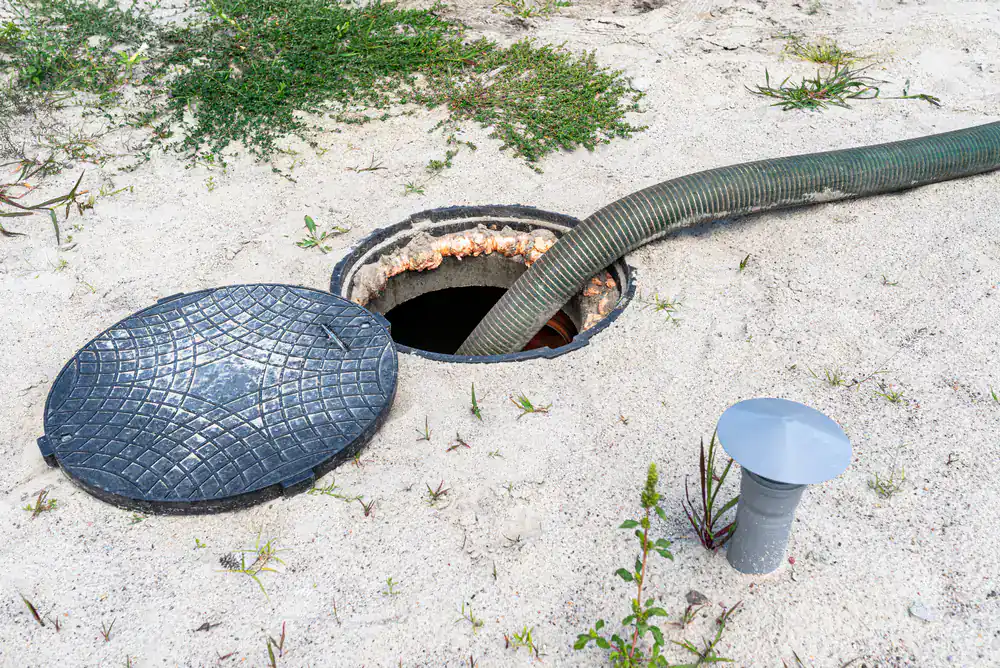
No more guessing. When your cesspool is pumped on a proper schedule, you stop reacting to problems and start staying ahead of them. The slow drains, the smell that creeps up when the weather warms, the anxiety every time it rains hard those go away when the system has room to do its job.
For Coram homeowners specifically, that matters more than most people realize. Your home sits in the Town of Brookhaven, right along the edge of the Central Pine Barrens the deep recharge zone for the Magothy aquifer that supplies drinking water to every Suffolk County resident. The soil here is sandy and porous, which means anything that overflows or leaks from an overloaded cesspool moves fast. Routine pumping is what keeps that from becoming your problem and everyone else’s.
There’s also the financial side. Coram home values have climbed significantly in recent years, with median sale prices now approaching $559,000. A cesspool that backs up during a showing, or one that has no service records when a buyer’s attorney starts asking questions, can cost you far more than the pump-out ever would have. Staying current protects the system and protects what your home is worth.
We’ve been servicing cesspools and drainage systems across Nassau and Suffolk Counties since 2002, with over 30 years of hands-on experience specifically in Long Island’s conditions. That means the older housing stock along Middle Country Road in Coram, the water table behavior that shifts after a hard rain, and the county licensing requirements that not every contractor bothers to meet.
We’re a family-owned operation based in West Babylon. The technicians who show up at your door the same ones customers name by name in reviews know what they’re doing and take the time to explain it. You’re not getting a subcontractor who’s never worked in central Suffolk. You’re getting people who have handled the full range of what Coram cesspools actually look like: buried covers, lost records, aging concrete, systems that haven’t been touched in decades.
We handle everything from a standard pump-out to full system installation. If something unexpected comes up during the job, you’ll hear about it before anything changes not after.

It starts with a call. You get a real person on the line, not a voicemail. You describe what’s going on whether that’s a backup, an odor, a system that hasn’t been serviced in years, or a cover you can’t even locate and you get a clear, honest quote before anyone shows up. What you’re told on the phone is what you’re charged.
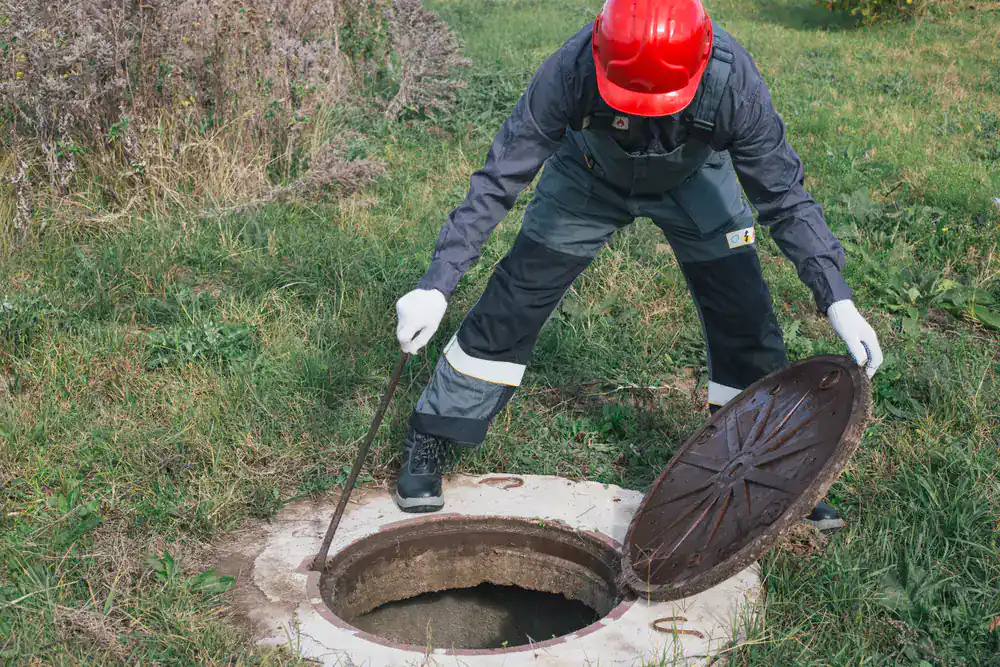
When our technician arrives, the first step is locating and accessing the system. In Coram, where a large portion of the housing stock was built in the 1950s through 1970s, this step matters more than people expect. Covers get paved over. Landscaping changes. Records disappear when houses change hands. We’ve built a specialty around finding systems that other companies struggle to locate it’s listed as a core competency, not an add-on service.
Once the system is accessed, we pump out the accumulated waste, assess the condition of the tank and surrounding components, and walk you through what we found. You get written documentation of the service which matters if you’re planning to sell, refinancing, or simply want a record for future reference. Suffolk County health departments track this history, and having it in hand is worth more than most homeowners realize until they need it.
Ready to get started?
Cesspool pumping removes the liquid and floating waste that accumulates in your tank. Cesspool cleaning goes further it addresses the hardened sludge that builds up along the walls and floor of the system over time, and it typically includes a closer inspection of the tank’s structural condition. Most Coram homeowners don’t know there’s a difference, and most companies don’t explain it. The right service for your situation depends on how long it’s been since the last pump-out, the age of your system, and what our technician finds when they get in there.
For homes in Coram built before 1973 which covers a significant portion of the community the system is almost certainly a cesspool rather than a modern septic tank. These single-chamber systems fill faster and need attention more frequently, typically every one to three years depending on household size and usage. If yours has never been serviced since you bought the house, or if you genuinely don’t know when it was last done, that’s exactly the situation we’re set up to handle.
Because Coram falls entirely under Suffolk County jurisdiction with no municipal sewer access available to most residents, every homeowner here is responsible for their own system. Suffolk County requires that any replacement system use I/A OWTS technology a meaningful cost difference from a simple repair. Staying on top of routine pumping and cleaning is the most direct way to extend the life of what you have and avoid that conversation entirely.