By submitting you consent to receive service-related texts from Drastic Drainage. Reply STOP to opt out. Msg & data rates may apply. Consent not required to book service.
Useful Links
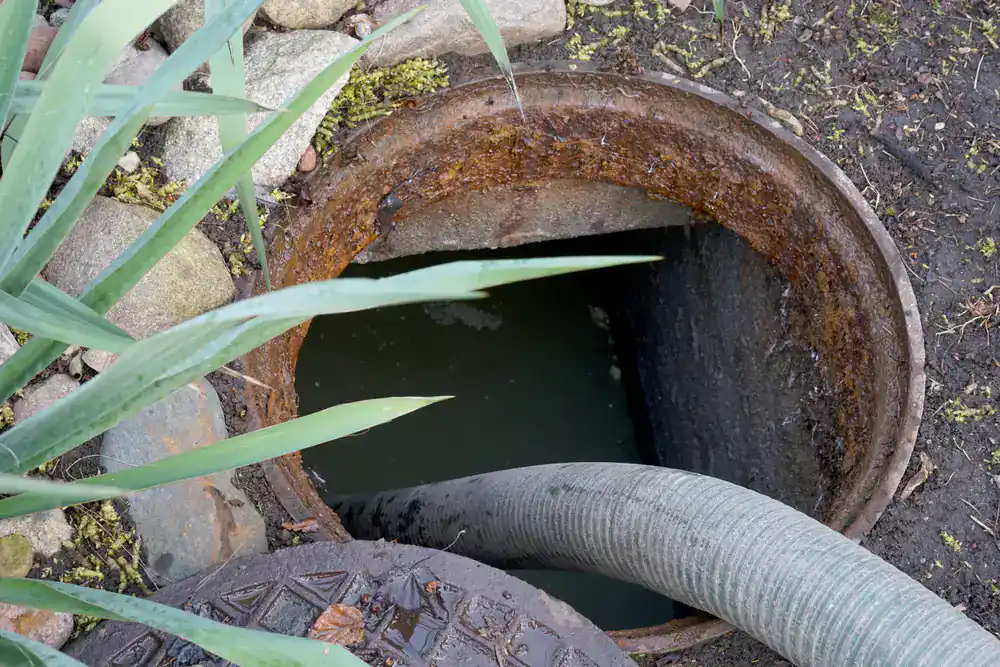
When a septic system is pumped correctly and on schedule, you stop guessing. No more wondering if the slow drain is a minor clog or the beginning of something expensive. No more putting it off because you’re not sure what you’ll find. You get a clear picture of where things stand and that clarity is worth a lot when your home is sitting on a system that may have been in the ground since the 1960s.
Coram has one of the oldest housing stocks in the Town of Brookhaven. A significant portion of the homes here were built during the postwar boom of the 1950s and 1970s, which means the cesspools and septic tanks beneath them are often five or six decades old. These systems weren’t designed for today’s household water use. They were built for smaller families with one bathroom and no dishwasher. Keeping them properly maintained isn’t optional it’s the difference between a $300–$600 pump-out and a $10,000–$15,000 repair bill when a drain field fails.
There’s also the groundwater piece, and in Coram it’s not abstract. Your home sits at the edge of the Long Island Pine Barrens the primary recharge zone for the sole-source aquifer that supplies drinking water to all of Long Island. Sandy soil in this area doesn’t filter contaminants the way denser soils do. When a septic system goes too long without service, nitrogen and waste travel quickly and deeply into the ground. Routine pumping is one of the most direct ways a Coram homeowner can protect both their property and the water supply their family depends on.
The honest answer depends on what type of system you have. If your Coram home has a cesspool which is the case for roughly 75% of Suffolk County properties it typically needs pumping every one to two years. Cesspools don’t separate solids from liquids the way a true septic tank does, so they fill up faster and need more frequent attention. If you have a conventional septic tank, the general recommendation is every three to five years, though a household of four using a 1,000-gallon tank is usually looking at every three to four years.
What complicates this in Coram specifically is the age of the housing stock. Homes built in the 1950s through 1970s which covers a large portion of the community may have systems that have gone well beyond their recommended service interval without anyone realizing it. If you’ve recently bought a home here and don’t have records of the last pump-out, the safest move is to schedule service now and use that visit as your baseline. A technician can assess the current condition and give you a realistic schedule going forward.
For a standard residential pump-out in Suffolk County, you’re generally looking at $225 to $400 for a 1,000-gallon tank and $400 to $600 for a 2,000-gallon system, based on current 2024–2025 market data. Those ranges reflect the actual cost of a complete job full pump-out, legal disposal, and a basic inspection.
Where the number can climb is lid excavation. On older Coram properties where the tank lid is buried under years of soil and landscaping, locating and accessing the lid is an additional step. Some companies quote a low base price and then add the excavation cost on-site, which is where the frustration comes from. The better approach and the one we take is to be upfront about what the estimate covers before anyone shows up. If you’re not sure whether your lid is accessible or buried, mention it when you call. It’s a common situation in this area, and it’s not a problem it just needs to be part of the conversation upfront.
This is one of the most common questions from Coram homeowners, and it’s completely understandable especially if you bought an older home without detailed records. The short answer is that most homes in central Brookhaven built before the 1980s are sitting on cesspools, not modern septic tanks. A cesspool is a single chamber that collects all waste and allows liquid to leach out through its walls into the surrounding soil. A septic system has at least two components a tank that separates solids from liquids, and a drain field or leaching system that handles the liquid effluent.
The practical difference matters for maintenance scheduling and cost. Cesspools need more frequent pumping and are more vulnerable to failure as they age. They’re also the system type that Suffolk County no longer allows to be replaced in kind if your cesspool fails and needs replacement, current regulations require an upgrade to a more advanced treatment system, which runs approximately $20,000 installed. If you genuinely don’t know which system you have, a technician can determine it during a service visit. It’s worth knowing before you’re in a situation where the answer matters urgently.
By the time you see visible signs sewage smell in the yard, soggy patches in the lawn, slow drains throughout the house, or a backup the system is already in distress. These aren’t early warning signs; they’re indicators that the system has been overwhelmed and may already be failing. At that point, you’re not looking at a routine pump-out anymore. You’re potentially looking at drain field damage, which can cost $10,000 to $15,000 or more to repair.
In Coram, where a significant share of homes sit above systems that are 50 or more years old, deferring service carries more risk than it might in a newer community. Older systems have less margin for error. They weren’t built with the same capacity as modern installations, and they’ve been handling decades of use. The other factor specific to this area is the Pine Barrens recharge zone. A failing system in Coram doesn’t just create a problem for your property it introduces nitrogen and contaminants into sandy soil that feeds directly into Long Island’s sole-source aquifer. Staying on a regular pumping schedule is the most straightforward way to avoid both outcomes.
Yes, and this situation comes up constantly on older properties throughout central Brookhaven. Homes built in the 1950s and 1960s often have lids that have been covered over by decades of landscaping, sod, and soil settling. Some homeowners have no idea where their tank even is. We specifically list locating hard-to-find cesspools and septic tanks as a core capability it’s not a specialty service that gets added to the bill as a surprise. It’s part of what we do.
When you call, let us know upfront that you’re not sure where the lid is or whether it’s accessible. That information helps set accurate expectations for the visit. In most cases, the tank can be located and accessed without major disruption to your yard. Excavation depth and access conditions vary by property, so the specifics will be addressed when our technician is on-site but a buried lid is not a reason to put off service. It’s one of the most routine challenges in this area, and we handle it regularly.
Routine septic tank pumping does not require a permit. It’s a maintenance service, and no Town of Brookhaven building permit or Suffolk County approval is needed just to have your tank pumped. What does matter is that the company performing the work holds a valid Suffolk County Liquid Waste License the credential issued under Chapter 563, Article VII of the Suffolk County Code. This license requires at least five years of verified trade experience and ownership of a dedicated pump and vacuum truck. It also requires a New York State DEC waste transporter permit for the legal hauling and disposal of septage. We hold the certifications required to operate legally throughout Suffolk County.
Where permits do come into play is installation, replacement, or significant repair work. If a system fails and needs to be replaced which under current Suffolk County rules means upgrading to a more advanced treatment system rather than a like-for-like swap that work requires permits from both the Town of Brookhaven and Suffolk County. Coram’s location within or adjacent to the Pine Barrens Compatible Growth Area can also trigger additional review for certain types of excavation or installation work under the Long Island Pine Barrens Protection Act. If your pump-out reveals a problem that might require replacement, our technician will walk you through what the permitting process looks like before any additional work begins.
Free, no-obligation estimates on cesspool, sewer, and drain work.
We get there quickly. No waiting days for a callback.
Backups don’t wait for business hours. Neither do we.
Fully licensed and insured across Long Island.
Up-to-date trucks and tools for cleaner, faster jobs.
Straight quotes, no surprises on the bill.
Hear from Our Customers
When a septic system is pumped correctly and on schedule, you stop guessing. No more wondering if the slow drain is a minor clog or the beginning of something expensive. No more putting it off because you’re not sure what you’ll find. You get a clear picture of where things stand and that clarity is worth a lot when your home is sitting on a system that may have been in the ground since the 1960s.
Coram has one of the oldest housing stocks in the Town of Brookhaven. A significant portion of the homes here were built during the postwar boom of the 1950s and 1970s, which means the cesspools and septic tanks beneath them are often five or six decades old. These systems weren’t designed for today’s household water use. They were built for smaller families with one bathroom and no dishwasher. Keeping them properly maintained isn’t optional it’s the difference between a $300–$600 pump-out and a $10,000–$15,000 repair bill when a drain field fails.
There’s also the groundwater piece, and in Coram it’s not abstract. Your home sits at the edge of the Long Island Pine Barrens the primary recharge zone for the sole-source aquifer that supplies drinking water to all of Long Island. Sandy soil in this area doesn’t filter contaminants the way denser soils do. When a septic system goes too long without service, nitrogen and waste travel quickly and deeply into the ground. Routine pumping is one of the most direct ways a Coram homeowner can protect both their property and the water supply their family depends on.
We’ve been working on Long Island’s cesspool and septic systems since 2002, and our team brings over 30 years of hands-on experience to every job. That experience matters in a place like Coram, where older properties along Route 112 and throughout the Brookhaven hamlets regularly present buried lids, aging infrastructure, and systems that haven’t been touched in years.
Our approach is straightforward. When our technician shows up, they assess what’s actually in front of them, tell you what they find, and only recommend what’s genuinely needed. No pressure to approve work you don’t need. No surprise charges on top of what was quoted. That’s the reason customers come back and refer their neighbors.
We handle everything from routine residential pumping to drain cleaning, drywell service, and full system installation. Whether you’ve just bought a home in Coram and have no idea when the system was last serviced, or you’re a longtime resident who’s overdue, one call gets you a free estimate and a clear answer.
It starts with a call and a free estimate. Before anyone drives out to your Coram property, you’ll know what the service covers and what it costs. No vague ranges that shift when the truck arrives the price you’re given is the price for the work described.
When our technician gets there, the first step is locating the tank. This is where experience pays off. Older homes in central Brookhaven many of them built before detailed property records were standard often have lids buried under years of soil, sod, and landscaping. We specialize in finding cesspools and septic tanks that aren’t obvious, so you won’t be left with a half-finished job because the lid couldn’t be located.
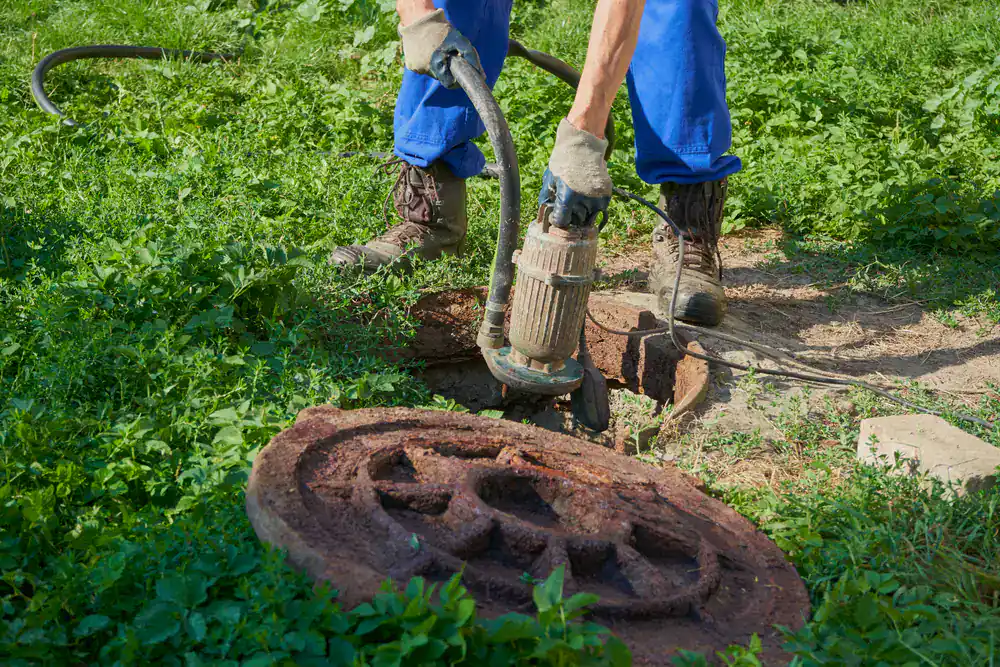
Once access is confirmed, the tank is fully pumped out not partially, not surface-level. All accumulated sludge and waste is removed and transported to a licensed disposal facility, which is a legal requirement under New York State DEC regulations that not every low-price operator follows correctly.
After the pump-out, our technician inspects the system checking baffles, assessing tank condition, and flagging anything that warrants attention. If something looks off, you’ll hear about it plainly and honestly. If everything looks fine, that’s what you’ll be told. In Suffolk County, any failed system that needs replacement must now be upgraded to a more advanced treatment system under regulations that changed in 2019 catching a problem early, before it becomes a failure, is the only way to avoid that outcome.

Ready to get started?
Septic tank pumping through us covers the full job locating the tank, full removal of accumulated waste, legal septage disposal, and a post-pump inspection. For Coram homeowners with older properties, lid excavation is part of the process when needed. This is one of the most common hidden costs in the industry: a low teaser price gets quoted, and then the excavation fee appears on-site. That’s not how we work you’ll know what’s included before anyone shows up.
Beyond routine pumping, we handle residential septic pumping, cesspool pumping, drain cleaning, drywell cleaning, house trap replacements, main sewer line cleaning and replacement, and full cesspool and septic installation. If the inspection after your pump-out reveals a problem, you don’t have to start over with a different company. The same crew that found it can address it.
For Coram residents who own commercial properties along Route 25 or Route 112, we offer commercial septic and cesspool service as well. Our 24/7 availability confirmed, not just claimed means that whether it’s a routine appointment or a backup that can’t wait, the response time works around your schedule, not the other way around. We hold all Suffolk County liquid waste licensing requirements, and all septage disposal is handled legally through licensed treatment facilities.