Useful Links
Other Services we provide in Port Jefferson Station
For most homes in Port Jefferson Station, the realistic answer is every one to three years. That’s more frequent than the national averages you’ll find online, and there’s a reason for it. The majority of cesspools in this hamlet were installed before 1973, which means they’re single-chamber systems with no treatment capacity. They accumulate solids faster than modern septic tanks, and Long Island’s water table combined with the kind of heavy spring rains that hit the North Shore can reduce a system’s absorption capacity temporarily and accelerate fill rates.
Household size matters too. A family of four in a three-bedroom ranch on the Port Jefferson Station side of Route 112 is going to fill a system faster than a retired couple in the same house. The EPA uses a threshold of sludge reaching within 12 inches of the outlet as the point when pumping is overdue. If you don’t have service records and you’ve owned the home for more than two years, it’s worth scheduling a pump-out now rather than waiting for symptoms to show up.
Standard residential cesspool pumping in Suffolk County typically runs $200 to $500 for a routine pump-out. Where your job falls in that range depends on a few real factors: the size of your system, how accessible the cover is, how full the system is at the time of service, and whether any additional work like locating a buried cover or a follow-up inspection is part of the visit.
What shouldn’t affect the price is what you were told on the phone. The most documented complaint in this industry is a low quote on the phone and a higher charge when the technician arrives. That’s a known pattern, and it’s worth asking directly before you book: is the phone quote the price I’ll pay, assuming no unexpected complications? A company that can answer that clearly is worth more than one that gives you the lowest number and figures it out later. Emergency service does carry a premium over scheduled work that’s standard but it should be disclosed upfront, not discovered at the door.
The most obvious signs are slow drains throughout the house not just one fixture, but multiple combined with gurgling sounds from toilets or drains after flushing. A sewage smell coming from drains, from the yard, or in some cases from HVAC vents is another clear indicator. Standing water or unusually green, wet patches of grass directly above where the cesspool is located are late-stage signs that the system is already in distress.
For Port Jefferson Station homeowners with older systems, the challenge is that some of these signs appear gradually enough that they get normalized. A drain that’s been a little slow for six months doesn’t trigger the same alarm as a sudden backup, but it’s telling you the same thing. If your home was built in the 1960s and you don’t have a service record showing a pump-out within the last two years, that alone is reason enough to schedule one before the system decides the timing for you.
Yes, and this is more common than most people realize. Homes in Port Jefferson Station that were built in the 1950s and 60s have often changed hands multiple times since the original installation. Records get lost, previous owners didn’t document the location, and the cover gets buried under decades of landscaping. By the time a new owner moves in, there’s no diagram, no service history, and no obvious marker in the yard.
Locating hard-to-find cesspools is something we handle specifically it’s not an edge case for our crew, it’s a regular part of working in older Suffolk County neighborhoods. The process involves a combination of probing, inspection, and knowledge of how systems were typically installed in homes of a given era and footprint. Once the system is located, the access point is exposed and the pump-out proceeds normally. You’ll also leave with documentation of the location, which is useful for every service call going forward.
They’re related but not the same, and the distinction matters for older systems. Pumping removes the liquid waste and floating solids from the chamber it’s the core of what most service calls involve, and it’s what keeps the system from backing up. Cleaning goes further, addressing the hardened sludge that accumulates along the walls and floor of the chamber over time. That layer doesn’t get removed by pumping alone, and if it’s left long enough, it reduces the effective capacity of the system significantly.
For a home in Port Jefferson Station with a cesspool that hasn’t had consistent service which describes a lot of properties here given the age of the housing stock and the number of ownership transfers over the decades cleaning may be the right starting point rather than a standard pump-out. The technician will be able to tell you what the system actually needs once they’re on-site, and that assessment shouldn’t come with pressure to upgrade. It should just be an honest read of what’s there.
Heavy rain raises the water table, and when the water table rises around your cesspool’s leaching field, the soil’s ability to absorb effluent drops sometimes significantly. For a system that’s already close to capacity, a sustained rainstorm can push it into backup territory faster than normal conditions would. This is a real consideration on Long Island’s North Shore, where spring storms and nor’easters can deliver significant rainfall over short periods.
Port Jefferson Station sits at a higher elevation than many South Shore communities, which helps with surface flooding, but groundwater saturation is still a factor when rain is heavy or prolonged. If you’ve noticed that your drains slow down or your toilets get sluggish during or after a storm, that’s the system telling you it doesn’t have much margin left. A system that’s been pumped recently handles rain events better because there’s actual capacity in the chamber to absorb the temporary reduction in leaching. It’s one of the less-obvious reasons that staying on a regular pumping schedule not just responding to emergencies makes a practical difference for homes in this area.
Hear from Our Customers
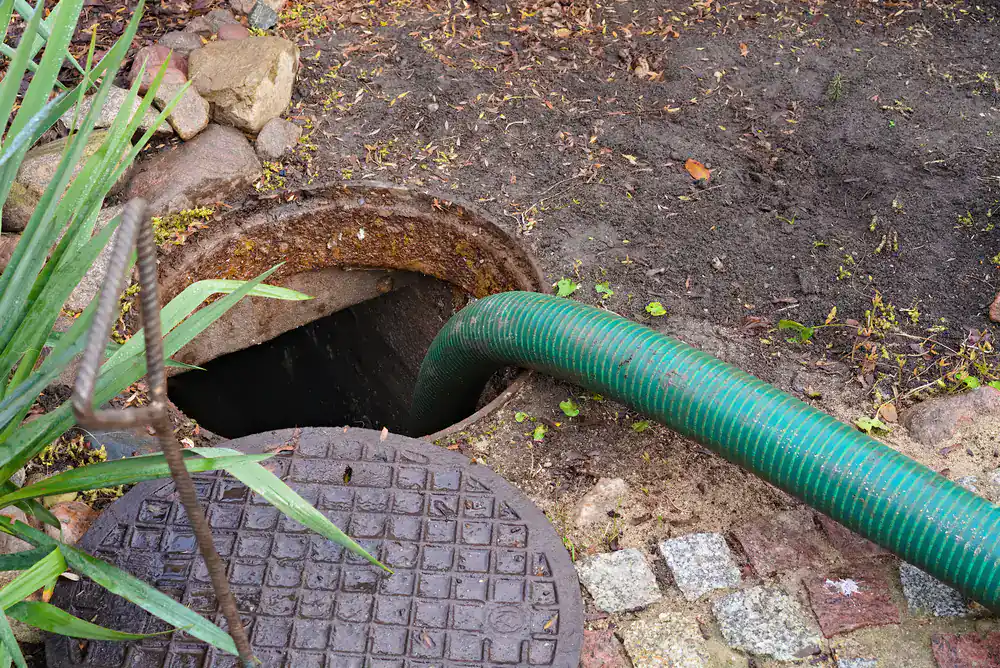
When a cesspool is running the way it should, you don’t think about it. No smell creeping up through the drains, no slow flushes, no soggy patches showing up in the backyard. That’s the goal and it’s completely achievable with a pumping schedule that matches your home’s actual system, not some national average written for a house built in 2005.
Here’s the thing about Port Jefferson Station: the majority of homes in this hamlet were built before 1973. That’s the benchmark year cesspool professionals use to flag the oldest systems on Long Island single-chamber designs that fill faster, have no treatment capacity, and need to be pumped every one to three years to stay functional. If you bought your home and inherited a system with no service records, you may already be behind.
Getting on a regular schedule means you’re not scrambling when the system gives you a sign it can’t wait any longer. It also means you have documented service records which matters when you go to sell. Homes in Port Jefferson Station are moving at median prices around $600,000 right now, and a buyer’s attorney will ask about the cesspool. A paper trail from a licensed Suffolk County contractor is worth having.
We’ve been doing this work in Nassau and Suffolk Counties for over 30 years. That’s not a number pulled from a brochure it’s the difference between a crew that’s seen what a 1960s cesspool looks like after decades of use and one that’s guessing. The housing stock in Port Jefferson Station and the surrounding Comsewogue area is old, and old systems have their own set of realities: buried covers with no documentation, accumulated solids that haven’t been addressed in years, locations that nobody in the current household can point to.
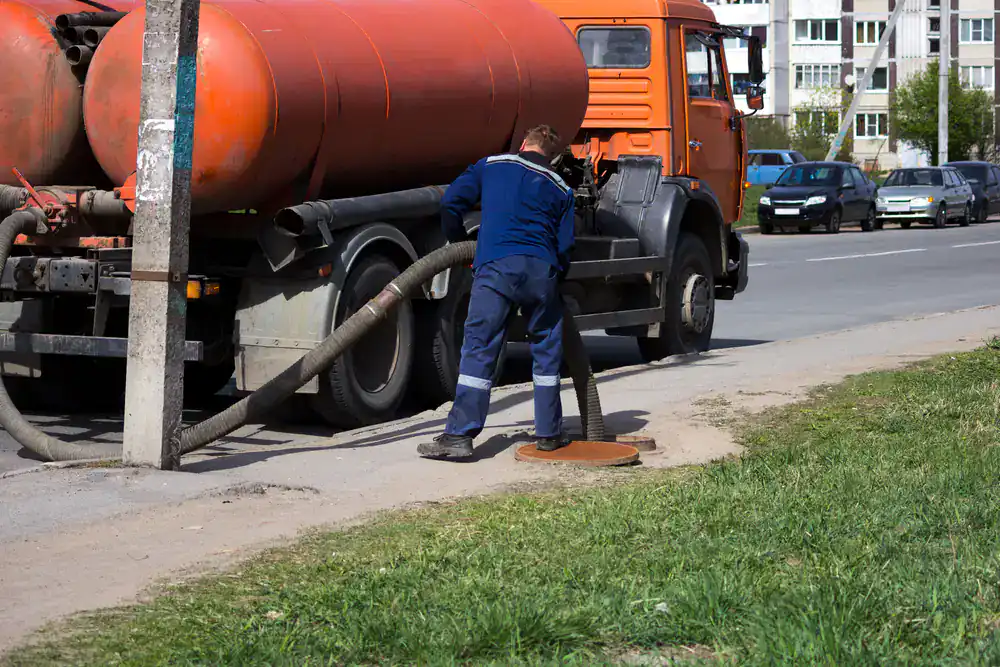
Drastic Drainage Long Island is a family-owned operation, and that means something in a market where fly-by-night operators are a documented problem. When our name is on the truck and our neighbors are our customers, the work has to be right. We’re available 24 hours a day, seven days a week including for emergencies and when someone calls, a real person picks up.
It starts with a call. You describe what’s going on whether that’s a scheduled service, a smell you’ve been ignoring, or something more urgent and you get a straight answer on what to expect, including pricing, before anyone shows up at your door. The quote you hear on the phone is the quote that matters. We say this clearly because the most common complaint in this industry is a low number on the phone and a different number when the truck arrives.
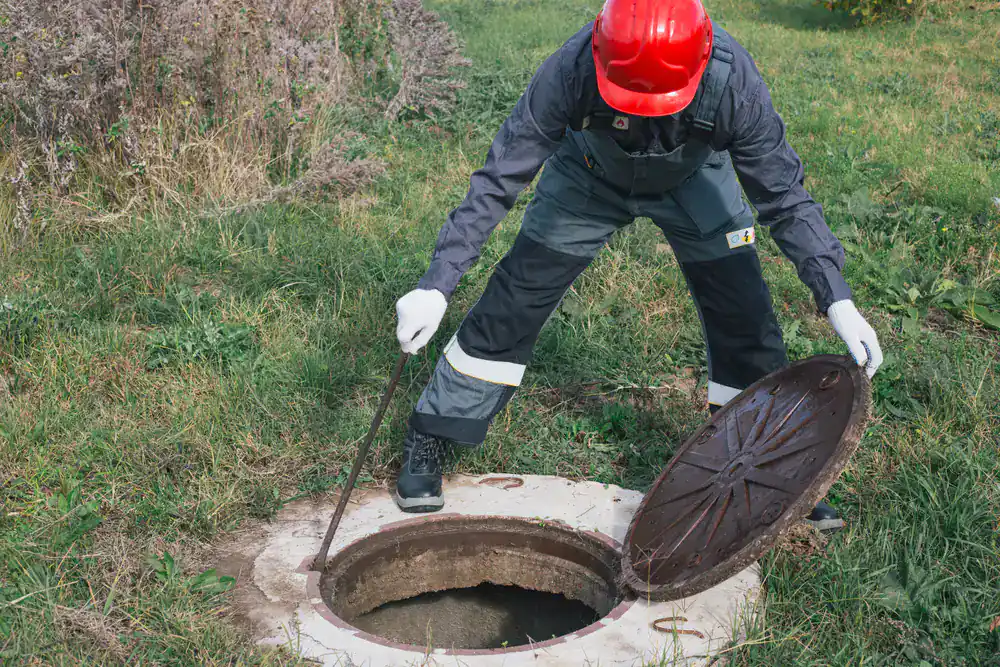
When our technician gets to your property, the first step is locating the cesspool access point. For a lot of Port Jefferson Station homes built in the 1950s and 60s, that cover is buried, undocumented, or both. We specifically handle hard-to-find cesspools it’s not a side capability, it’s something our crew deals with regularly in older Suffolk County neighborhoods. Once access is established, the system is pumped out completely, and the technician will let you know what they observed about the system’s condition.
After the job, you receive written documentation of the service. Given that Brookhaven Town has its own nitrogen protection zone requirements layered on top of Suffolk County’s regulations, having a record from a licensed contractor isn’t just useful it’s the kind of paperwork that protects you at closing or if a compliance question ever comes up.

Ready to get started?
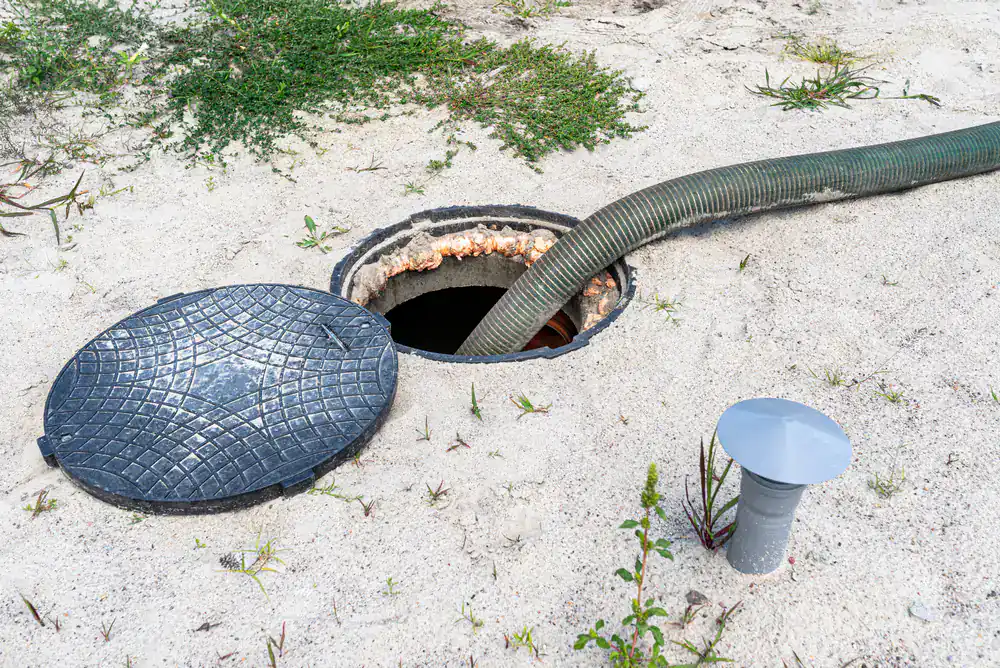
Cesspool pumping and cesspool cleaning are not the same thing, and most homeowners don’t know that until they’re standing in the driveway watching a technician work. Pumping removes the liquid and floating solids from the system. Cleaning goes further it addresses the hardened sludge that builds up along the walls and floor of the chamber over time. We handle both, and the technician will be upfront about which your system actually needs based on what they find.
For Port Jefferson Station residents, the age of the local housing stock means most systems haven’t had consistent service histories. A home that’s changed hands two or three times since the 1960s often has no record of when the cesspool was last pumped, let alone cleaned. That’s not a reason to panic it’s a reason to get eyes on it now rather than wait for a backup to make the decision for you.
The service also covers inspection during the process. If the technician notices something worth flagging a cracked baffle, excessive root intrusion, a system that’s approaching the point where pumping alone won’t hold it you’ll hear about it clearly, without pressure. Suffolk County banned new cesspool installation in 2019, so any replacement would require an Innovative/Alternative Onsite Wastewater Treatment System. Knowing where your current system stands gives you time to plan on your terms, not in the middle of a crisis.