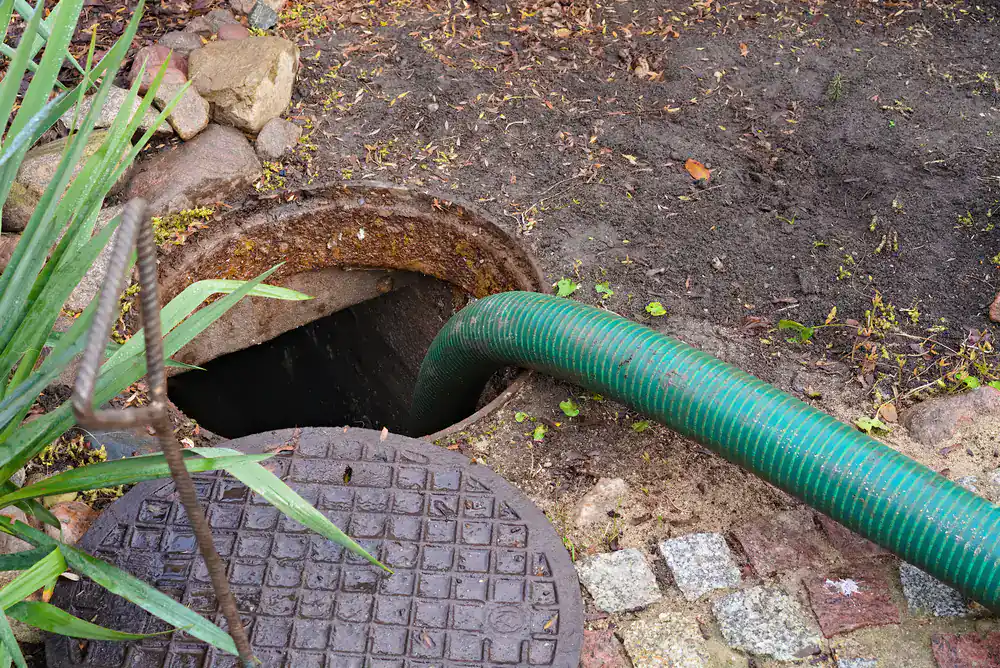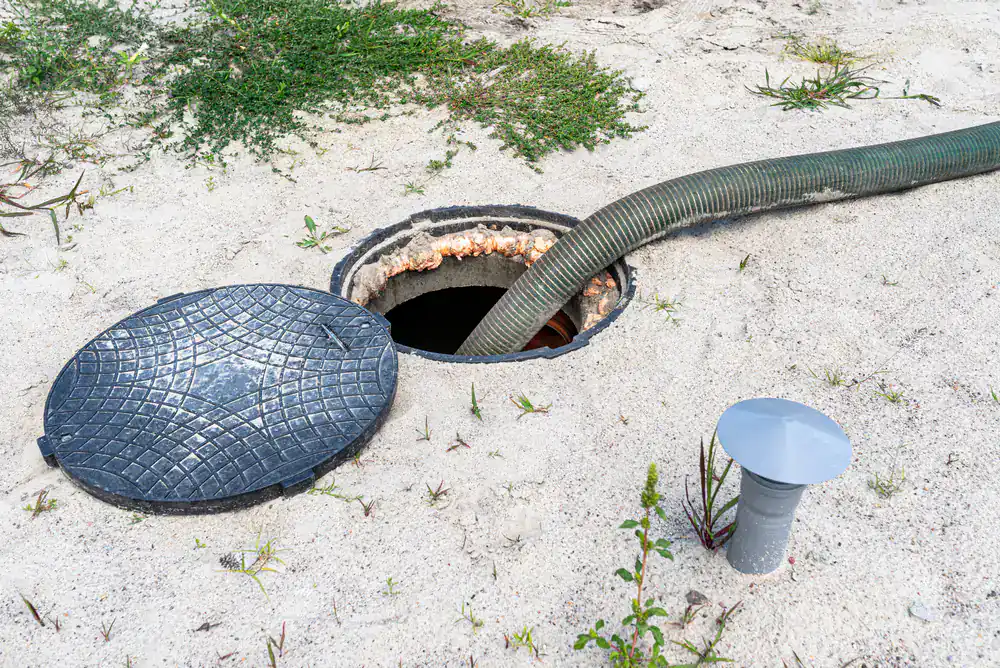
Useful Links
Other Services we provide in West Islip
For most West Islip homes, every one to three years is the realistic service interval not the three to five years you’ll often see cited as a general guideline. That national figure doesn’t account for the specific conditions here. West Islip’s South Shore location means the water table is naturally higher than it is in inland communities, and it rises further after storms push water into the Great South Bay. That elevated water table accelerates how quickly a cesspool fills, which means the standard timeline simply doesn’t apply the same way it does further north or inland.
The other factor is the age of the housing stock. Most homes in West Islip were built around 1964, and the cesspools installed then are single-chamber systems that fill faster and hold less than a modern septic tank. A family of four living in one of these homes, near the water, is going to push that system harder than a smaller household in a newer property. When we service a system in West Islip, we’ll give you an honest read on where yours stands and what interval actually makes sense for your specific setup.
The most obvious signs are slow drains throughout the house not just one fixture, but multiple along with gurgling sounds when you flush or run water. A sewage smell coming up through your drains or from the ground near where your system is located is a clear indicator that things are backing up. Standing water or an unusually green, lush patch of grass over the area where your cesspool sits can also signal that the system is saturated and leaching to the surface.
What catches a lot of homeowners off guard is that by the time these symptoms show up, the system is already in distress. The cesspool doesn’t send a warning at 80% capacity it just keeps filling until something gives. Waiting for a visible problem to appear before calling means you’re already in emergency territory, which changes both the urgency of the situation and the complexity of the service. Staying on a regular schedule is almost always cheaper than reacting to a backup, and for a home near the South Shore, where water table conditions can push a system to the edge faster than expected, that’s doubly true.
Yes, and this comes up regularly in West Islip. A large portion of the homes here were built in the 1960s, and the records from that era if they existed at all often didn’t make it from one owner to the next. Covers get buried under decades of landscaping, driveways get repaved, and by the time a homeowner has lived in a place for ten or fifteen years, the original location can be genuinely unknown.
Locating hard-to-find cesspools is something we specifically do. We come prepared for it, and we don’t charge you for a pumping job before we’ve actually found the system. Once we locate it, we document the position so you have it on record going forward which saves time and money on every future service call. If you’re a newer homeowner in West Islip who has never had the system serviced and has no idea where it is, that’s exactly the kind of situation we handle. Start with a call, and we’ll figure out what you’re working with.
Pumping removes the liquid waste and the floating solids sitting near the top of the tank. It’s fast, and it creates space in the system but it doesn’t address the hardened sludge that accumulates along the bottom and sides over time. Cleaning goes further: it involves breaking up and removing that compacted material, which is what actually shortens the lifespan of a system if left to build up year after year.
A lot of homeowners don’t realize they’re only getting half the job done until a technician shows them what’s still sitting in the tank after a basic pump-out. For older cesspools the kind that make up most of West Islip’s housing stock the distinction matters more, not less, because these systems have had decades to accumulate that buildup. When we service a system, we’re not just pulling liquid off the top and calling it done. The goal is to leave the system in genuinely better condition, not just technically emptied. If there’s a meaningful difference between what a pump-out and a proper cleaning would accomplish for your specific system, we’ll tell you before we start.
Suffolk County’s Department of Health Services tracks cesspool maintenance records, and those records are routinely requested during home sales, permit applications, and refinancing. If you’re selling a West Islip home and given that homes here are moving in under five weeks at prices well above the county median having a documented service history in place before you list is a practical step, not an optional one. Buyers’ attorneys and home inspectors know to ask about it, and gaps in the record can slow a closing or give a buyer leverage to renegotiate.
Beyond the transaction itself, Suffolk County has tightened cesspool regulations significantly since 2019. If your system fails or needs replacement, you can no longer install a traditional cesspool the replacement must be an approved Innovative/Alternative Onsite Wastewater Treatment System. Having documentation of regular maintenance demonstrates that you’ve been responsible with the system, which matters if a compliance question ever comes up. Every service call with us includes written documentation you can keep on file and present when it’s needed.
West Islip’s position along the Great South Bay makes it more vulnerable to storm-driven water table spikes than most communities in Suffolk County. When a nor’easter or a heavy rain event pushes water into the bay and saturates the sandy soil, the water table rises quickly sometimes within hours. A cesspool that was at a manageable level before the storm can be overwhelmed by the time the weather passes, especially in the canal-front neighborhoods of West Islip South or in any home that sits close to the shoreline.
What this means practically is that a system you thought had another year or two before needing service might be backing up into your basement or surfacing in your yard the morning after a significant storm. The homeowners who tend to call us in crisis after bad weather are almost always the ones who were already overdue. If your system hasn’t been pumped in three or more years and you’re heading into storm season, that’s the window to get it done not after the fact. We operate 24 hours a day, seven days a week, including during and after storm events, because South Shore emergencies don’t wait for business hours.
Hear from Our Customers
When your cesspool is pumped and in good shape, you stop thinking about it and that’s exactly how it should be. No smell creeping up through the drains, no slow-flushing toilets, no mysterious wet patch appearing in the backyard. For a West Islip homeowner, that peace of mind is worth a lot more than the service call itself.
West Islip’s proximity to the Great South Bay and the canal-front neighborhoods along West Islip South means the water table here runs higher than it does in communities further inland. After a nor’easter pushes storm surge into the bay, or after a stretch of heavy spring rain, that water table rises fast. A cesspool sitting at 60% capacity before a storm can be in trouble by the time the weather clears. Staying on top of it isn’t just good practice in a South Shore community like this one, it’s genuinely necessary.
And if you’re thinking about selling, West Islip homes are moving in under five weeks at prices that make the stakes very real. Suffolk County asks for cesspool service documentation during home sales, and buyers’ attorneys know to look for it. A properly maintained system with a paper trail behind it is protection for an asset worth $700,000 or more. Getting it serviced now costs a fraction of what it costs to deal with it under pressure at closing.
We’re based in West Babylon which, if you know the area, puts us about as close to West Islip as you can get without being in it. Babylon borders West Islip directly to the west. When you call, you’re not waiting on a crew to drive in from eastern Suffolk or Nassau County. We’re already on your side of the island.
We’ve been working on Long Island cesspool systems for over 30 years, and a big part of that experience has been spent on exactly the kind of older, single-chamber cesspools that were standard in South Shore communities when West Islip’s neighborhoods were being built. We also specialize in locating systems that homeowners can’t find which comes up more often than you’d think in a community where a lot of those original records have been lost, buried, or simply never passed along from one owner to the next.
We’re family-owned, and we answer the phone ourselves. When something goes sideways at 10 PM after a storm rolls through the bay, you’re not leaving a voicemail.
When you call, you get a real person. We’ll ask a few straightforward questions how old is the home, when was the last time the system was serviced, are you noticing anything unusual. That conversation helps us show up prepared, not surprised.
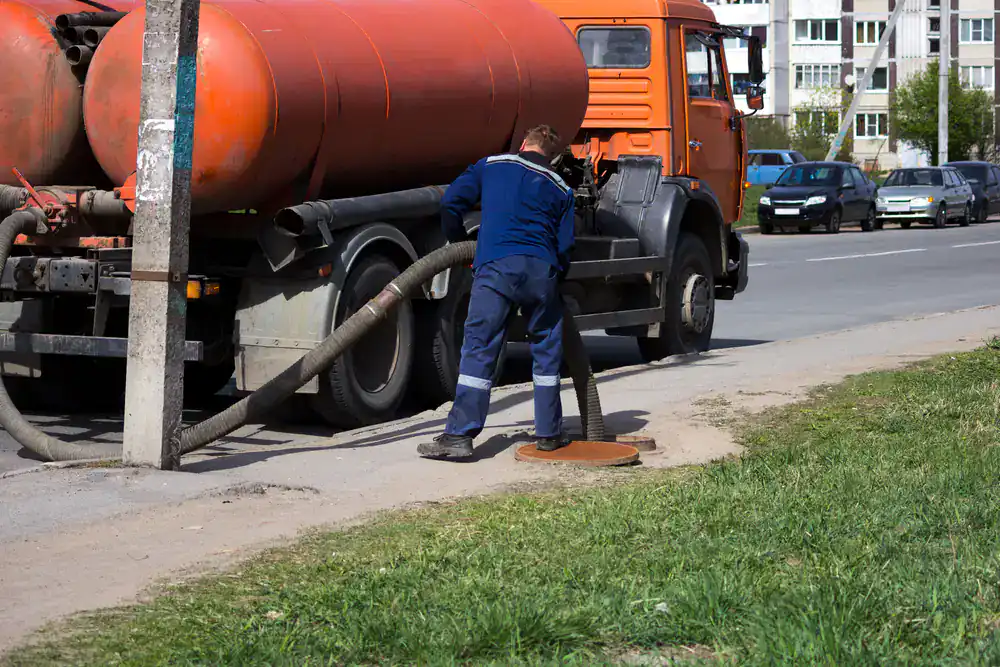
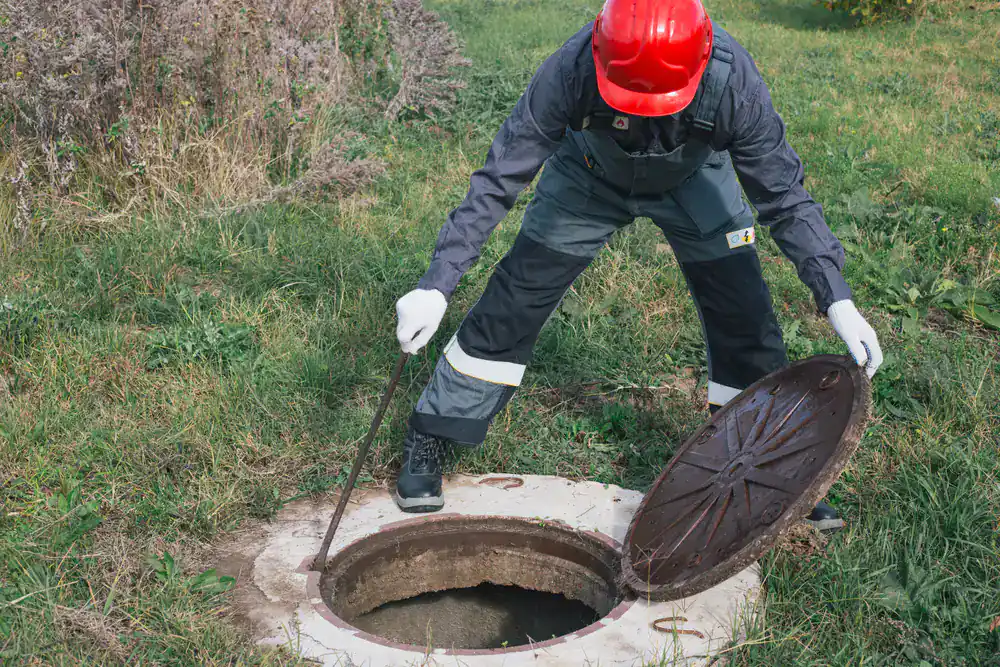
Once we’re on-site, the first thing we do is locate the system if needed. In West Islip, where a significant portion of the housing stock dates back to the 1960s, it’s not uncommon for covers to be buried under years of landscaping or for the homeowner to have no idea where the system sits. We handle that before any pumping begins. When the system is accessible, we pump it thoroughly not just the liquid on top, but the accumulated solids that have been building up along the bottom.
There’s a real difference between a system that’s been pumped and one that’s been properly cleaned, and we don’t cut that corner. After the work is done, you get written documentation of the service. Suffolk County’s health department tracks cesspool maintenance records, and those records matter when you’re selling a home or applying for a permit. We make sure you have something in hand when we leave the driveway, not just a verbal confirmation.
For West Islip homeowners near the bay or along the canals, we’ll also give you an honest read on how often your specific system should be serviced because the standard three-to-five-year guideline wasn’t written with South Shore water table conditions in mind.

Ready to get started?
Cesspool pumping in Suffolk County typically runs $200 to $500 for a standard residential service call, with more complex jobs larger tanks, difficult access, significant buildup running higher. We don’t quote you one number on the phone and hand you a different one on-site. If the scope changes once we’re there, we tell you before we do anything additional, not after.
For most West Islip homes particularly those built in the 1960s with older single-chamber cesspools we recommend service every one to three years. That’s more frequent than the national average suggests, but the national average doesn’t account for the coastal water table conditions along the South Shore or the age and design of these systems. A 60-year-old cesspool in a home near the Great South Bay is a different animal than a modern septic tank in an inland community.
Beyond routine pumping, we handle drain cleaning, full cesspool inspection, and complete system installation when a system has reached the end of its life. Suffolk County banned new cesspool installations in 2019, so any replacement now requires an approved Innovative/Alternative Onsite Wastewater Treatment System and we can walk you through what that means for your property if it becomes relevant. The goal is to be the one call that covers everything, so you’re not managing multiple contractors through what can already be a stressful situation.