
Useful Links
Other Services we provide in Islip
This is one of the most common calls we get from homeowners in the canal communities and bay-adjacent streets of Islip, and the answer usually comes down to where you live rather than what’s wrong with your pipes. The hamlet sits directly on the Great South Bay, and in many areas particularly streets built around the man-made canals that connect to the bay the water table sits very close to grade.
After a significant storm, the ground becomes saturated and has limited capacity to absorb additional water. That pressure finds the weakest points in underground drain systems, which in a home built in the 1950s or 1960s often means aging joints in clay or cast iron lines that have been shifting slightly for decades.
The fix isn’t always a simple drain cleaning, though cleaning is usually the right starting point. A plumbing camera inspection can tell you whether the pipe itself is structurally compromised cracked, partially collapsed, or open at a joint versus simply blocked. In some cases, the issue is that the cesspool connected to those drain lines is full or failing, which backs everything up regardless of how clear the individual drain lines are. Getting a proper diagnosis first saves you from paying to clean something that doesn’t need cleaning while the real problem goes unaddressed.
Snaking also called augering sends a rotating cable through the drain to physically break up or pull out a blockage. It’s fast and effective for simple clogs, but it only creates a path through the obstruction. The pipe walls on either side of that path can still be coated in grease, mineral scale, or root tendrils that will start building up again almost immediately.
If you’ve had the same drain snaked two or three times and the problem keeps coming back within a few months, snaking is probably treating the symptom without addressing what’s causing it.
Hydro jetting uses high-pressure water to scour the entire interior surface of the pipe not just the clogged section, but the full length of the line. It removes grease buildup, mineral deposits, and root debris from the pipe walls rather than just punching through them. For older homes in Islip where cast iron drain lines have been accumulating buildup for 50 or 60 years, hydro jetting often delivers results that last significantly longer than snaking. It’s also the more effective approach when root intrusion is involved, since it clears root material more thoroughly before it has a chance to regrow and close the line again.
This is exactly the right question to ask, and it’s one that comes up constantly in Islip and across Suffolk County. The short answer is: if just one fixture is draining slowly, it’s usually a localized pipe issue a clog in the branch line serving that sink, tub, or toilet.
But if multiple fixtures in the house are slow at the same time, or if you’re hearing gurgling sounds from drains when you flush the toilet, that’s a strong sign the problem is further downstream either in the main sewer line or in the cesspool itself.
In Islip, where the vast majority of homes run on cesspools rather than municipal sewer connections, a full or failing cesspool is one of the most common reasons for whole-house drain slowdowns. The cesspool has a finite capacity, and when it’s full, waste has nowhere to go it backs up through every drain connected to it. Getting both systems assessed in the same visit is the most efficient way to find the answer, which is exactly how we approach it. You don’t have to call a drain company and a cesspool company separately and hope they agree on what’s wrong.
For sewer and drain lines, a professional cleaning every 18 to 22 months is a reasonable maintenance interval for most homes. That said, homes in Islip’s older neighborhoods particularly those with mature trees in the yard and aging clay or cast iron drain lines may benefit from more frequent attention, especially if root intrusion has been an issue in the past.
Roots don’t stop growing once they’ve found their way into a pipe joint, and a line that was cleared of roots 18 months ago will often show new growth before the two-year mark.
For cesspools, the standard recommendation is every three to five years for an average household, though the actual interval depends on the size of the system, the number of people in the home, and the age and condition of the cesspool itself. Islip’s housing stock is predominantly from the 1950s through 1970s, which means many cesspools in the area are 50 to 70 years old systems that were never designed to run indefinitely without maintenance. Waiting until something backs up is the most expensive approach. Regular service keeps the system working and gives you early warning if something more significant is developing.
For most older pipes, yes but the answer depends on the condition of the pipe, which is why a camera inspection before hydro jetting is the right sequence. Hydro jetting uses high-pressure water, and if a pipe is already cracked, partially collapsed, or severely corroded, that pressure can worsen existing damage. A plumbing camera lets our technician see what the pipe looks like before any high-pressure equipment is used, so the approach can be adjusted based on what’s actually there.
In Islip, where a significant portion of the housing stock dates to the 1950s and 1960s, cast iron and clay drain lines are common. Cast iron holds up reasonably well to hydro jetting as long as it hasn’t corroded through and even in older homes, cast iron lines are often in serviceable condition despite their age. Clay pipe is more variable; it can be brittle at joints after decades of ground movement and freeze-thaw cycles.
The camera inspection tells you which situation you’re dealing with. If the pipe is in good enough shape for hydro jetting, it’s almost always the better choice over snaking for a thorough, longer-lasting clean. If it’s not, you’ll know before any damage is done.
Yes. We offer reduced rates for firefighters, police officers, EMTs, teachers, government employees, and veterans. Islip has deep roots in public service the kind of community where a lot of households include someone who drives to a firehouse, a school, or a precinct every day. The discount is a straightforward acknowledgment of that, applied to the bill without a complicated process to claim it.
If you or someone in your household qualifies, just mention it when you call. There’s no paperwork or verification process that holds things up. The discount applies to the service, and it can’t be combined with other coupons or promotions, but it’s a real reduction not a token gesture. For a community like Islip, where many of the families who built this neighborhood over the last 60 or 70 years came up through exactly those professions, it’s one way we try to give something back to the people who keep the place running.
Hear from Our Customers
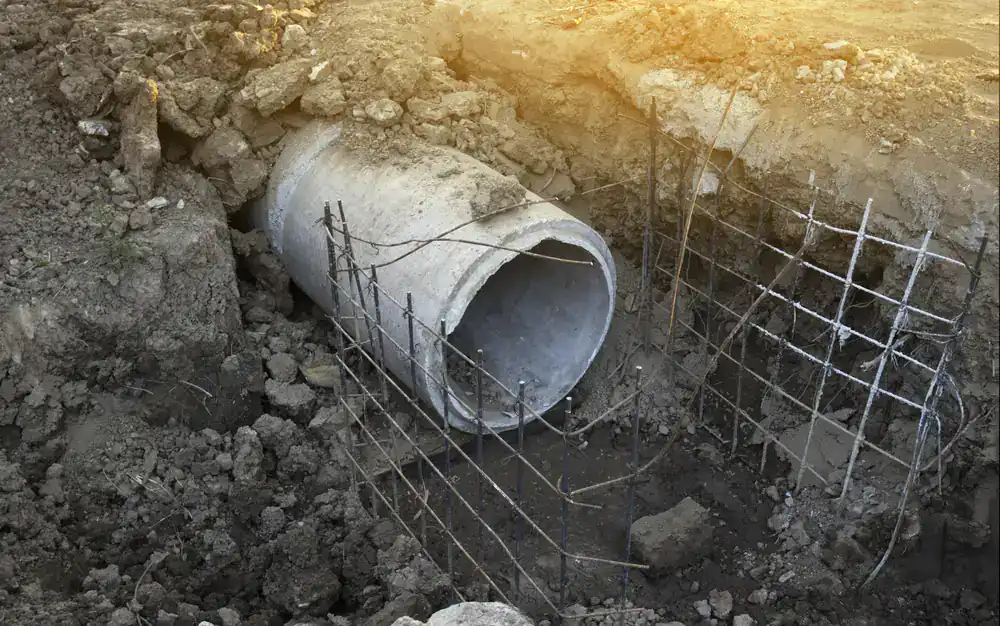
Most Islip homes were built during the post-WWII boom the 1950s, 60s, and 70s when the hamlet’s population quadrupled almost overnight as families moved out from the city. That housing stock is now 50 to 70 years old, and the cast iron pipes, clay sewer laterals, and cesspools installed back then weren’t designed to last forever.
When a drain starts running slow or a main line backs up, it’s usually not bad luck it’s the natural result of aging infrastructure that’s been doing its job quietly for decades. Getting your drains properly cleaned means more than just clearing a clog. It means understanding what’s actually inside those older pipes: whether it’s grease buildup, mineral scale, root intrusion from the mature trees that line Islip’s residential streets, or a cesspool that’s simply full.
When the right diagnosis leads to the right fix, you stop dealing with the same problem every few months and start getting ahead of it.
For homeowners near the canals and bay-adjacent streets off Montauk Highway, there’s another layer to this. The water table in those areas sits close to grade, and after a heavy storm off the Great South Bay, saturated ground has nowhere to go it finds its way through the weakest points in aging drain systems. A floor drain that backs up after every significant rain isn’t just a clog. It’s a symptom of where you live and what’s underneath your property.
Getting it properly assessed makes the difference between a temporary fix and an actual solution.
We’ve been working drain and cesspool systems across Suffolk County for over 30 years. That experience matters in Islip, where we’ve handled the exact type of underground infrastructure found throughout the community: post-war homes with aging cast iron lines, clay laterals that have shifted over time, and cesspools installed when the neighborhood was brand new.
We’re bonded and licensed, and we handle both drain cleaning and cesspool service. That matters in Islip, where a backed-up drain is frequently traced back to a full cesspool rather than a pipe blockage. Instead of clearing one problem and leaving you to call someone else about the other, one visit covers both.
Our base is in West Babylon just a few miles west along the South Shore corridor which means fast response times for Islip homeowners whether it’s a scheduled cleaning or a 24/7 emergency call. We provide free estimates before any work begins, no pressure, and a straight answer about what’s actually going on under your property.
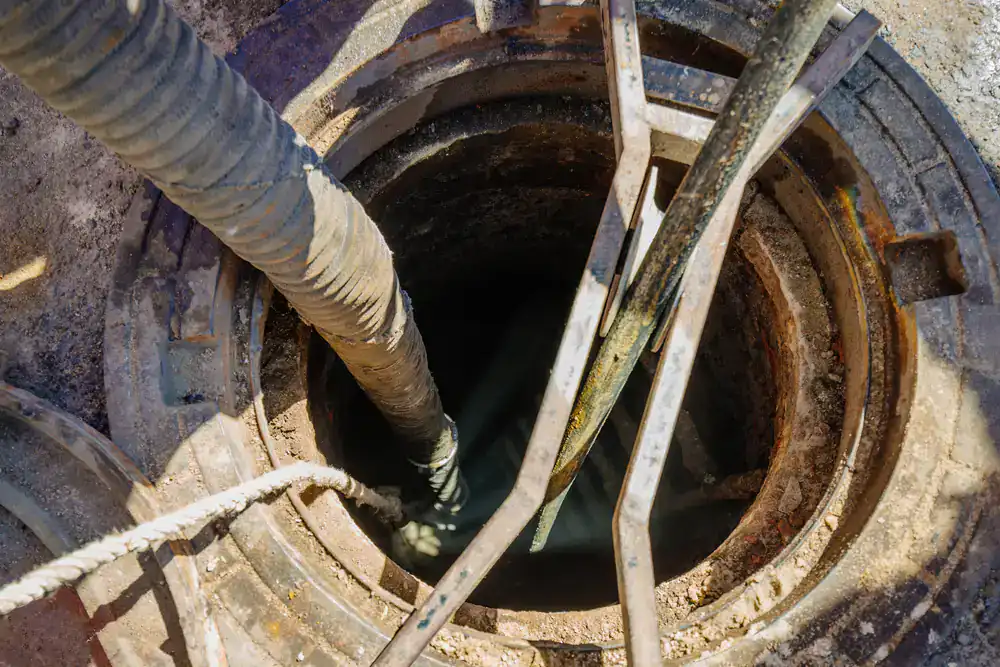
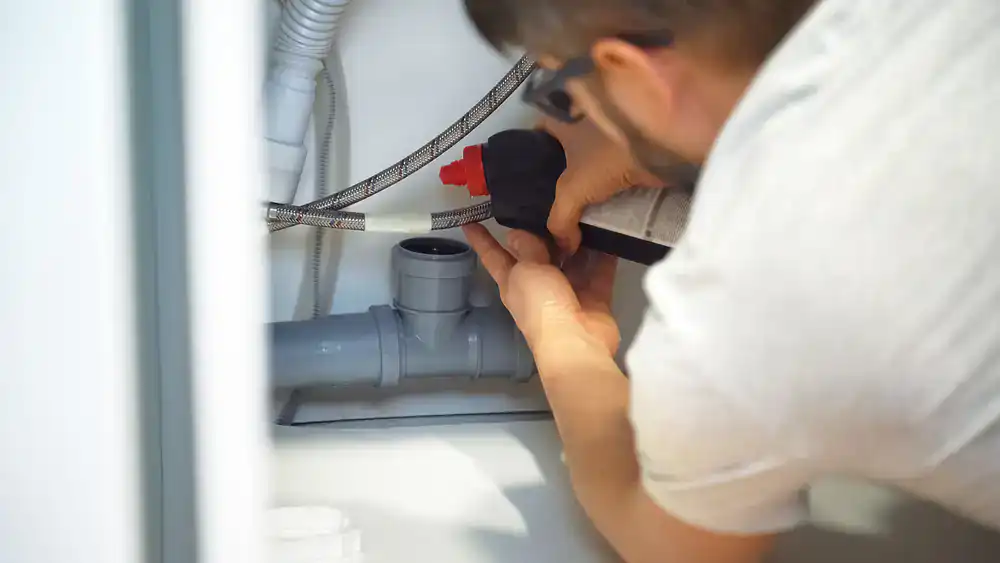
The first thing that happens is an assessment not a sales pitch. Before any equipment comes off the truck, our technician asks about what you’re seeing: which drains are slow, whether multiple fixtures are affected, how long it’s been going on, and whether you’ve had the cesspool serviced recently.
In Islip, that last question matters more than most people expect. When multiple drains are sluggish at the same time, the problem is almost never in the individual drain lines it’s in the main line or the cesspool system those lines feed into.
From there, the right tool gets matched to the actual problem. For a grease-heavy kitchen drain or a bathroom line packed with years of buildup, hydro jetting is typically the most effective approach it uses high-pressure water to scour the full pipe wall, not just punch a hole through the blockage the way snaking does.
For a main sewer line where root intrusion is suspected which is common in Islip’s older neighborhoods where mature trees have had 50 or 60 years to find their way into aging pipe joints we use a plumbing camera first so you can see exactly what’s happening before any work begins.
Once the line is cleared, we walk you through what was found and what was done. If the camera revealed a structural issue beyond a standard cleaning, you’ll hear about it plainly, with no pressure to approve additional work on the spot. The goal is to leave your drain system working and to give you an honest picture of what it’s dealing with.
Ready to get started?
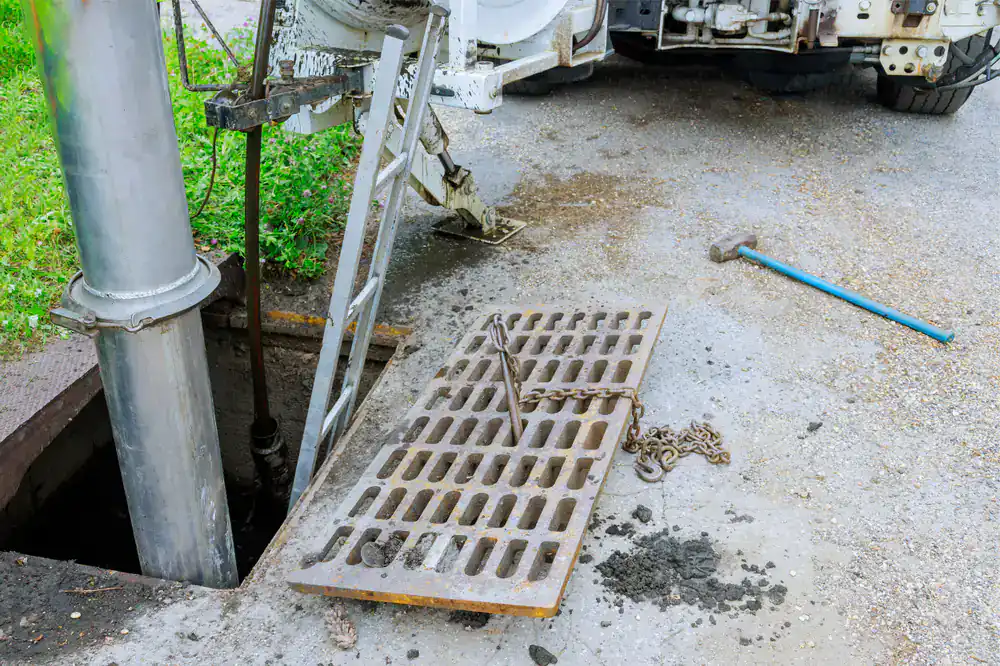
Drain cleaning in Islip covers more ground than it does in many other places, and that’s directly tied to the age of the housing stock and the coastal geography. We come equipped for kitchen and bathroom drain cleaning, floor drain service, and main sewer line cleaning including hydro jetting for lines with heavy buildup or recurring root intrusion. Plumbing camera inspection is available to get a clear look at what’s inside older cast iron or clay lines before and after the work is done.
Because roughly 75% of Suffolk County homes including the vast majority of properties in Islip run on cesspools rather than municipal sewer connections, cesspool pumping and septic service are part of the same visit when needed. That’s not a common capability. Most drain-only companies will clear your line and leave you to figure out the cesspool side separately. We handle both if both need attention.
We also offer hydro-aeration to restore natural drainage in the surrounding soil, thorough sludge removal for cesspool systems with heavy buildup, sulfuric acid treatments for stubborn mineral and organic deposits, and deodorizing and sanitizing after service.
For homeowners near Islip’s canal communities or bay-adjacent streets where the water table sits close to grade and drainage conditions are more complex this full-service approach is often what’s needed to actually resolve the problem rather than temporarily manage it.
