Useful Links
Other Services we provide in Islip
The general guidance for septic tanks is every three to five years, but for many Islip homeowners, that range needs to be adjusted based on local factors. If your property is near the Great South Bay or in a low-lying area with a high water table, your system is working under more stress than an inland home and more frequent service, closer to every two to three years, is often the smarter approach.
If your home has a cesspool rather than a true septic tank which is common in Islip’s older housing stock, particularly in homes built before the 1970s the pumping frequency is different. Cesspools don’t separate solids from liquids the way a septic tank does, so they fill faster and typically need pumping every one to two years.
Household size matters too: more people means more load on the system, which shortens the interval between service visits. The best starting point is getting the system pumped and inspected so you know its current condition, then building a realistic schedule from there.
For a standard residential septic tank pumping in Suffolk County, you’re generally looking at a range of $225 to $600 depending on the size of your tank. A 1,000-gallon tank typically falls in the $225 to $400 range; larger systems around 2,000 gallons run closer to $400 to $600. Those figures reflect what the local market looks like in 2024 and 2025.
One cost that surprises homeowners is lid excavation. If your tank lid is buried which is extremely common on older Islip properties where systems were installed decades ago and soil has built up over the access point excavating to reach it can add anywhere from $300 to $1,200 depending on how deep it’s buried and how accessible the area is.
The important thing is knowing about that possibility upfront, before the truck shows up. We provide free estimates and are clear about what the job involves before any work begins so the number you hear on the phone is the number you’re working with, not a starting point that grows once we’re on your property.
This is one of the most common questions from Islip homeowners, and the confusion is understandable. A lot of Long Island homes especially those built before the 1980s have cesspools rather than true septic systems, but many homeowners aren’t sure which they have, particularly if they didn’t install the system themselves or bought the home without complete records.
The simplest way to find out is to have the system located and inspected by a licensed professional. If you have records from a previous service call, those will often specify the system type. If you don’t have records which is common with older homes in Islip’s historic downtown area a technician can identify the system type during a service visit.
The distinction matters because cesspools and septic tanks function differently, have different pumping schedules, and are subject to different regulatory requirements under Suffolk County’s current rules. Knowing which one you have is the first step to maintaining it correctly.
The short answer is that the cost goes up dramatically. A routine pump-out runs a few hundred dollars. A drainfield failure which is often the result of a tank that’s been neglected long enough to push solids into the leach field can cost $10,000 to $15,000 or more to repair, not counting landscaping restoration or any health department involvement.
For Islip homeowners near the bay, there’s an additional concern. If a system fails and wastewater reaches the Great South Bay which is directly downstream of most Islip properties it can trigger DEC involvement on top of the county health department. Suffolk County has environmental setback requirements for systems near tidal waters, and an overflow in that zone is treated seriously.
Beyond the regulatory exposure, a failed system near the water is a health issue for the broader community. Routine pumping on a proper schedule is genuinely the lowest-cost option when you look at what the alternative can involve.
Yes, and this is something Islip homeowners have more reason to think about than most. When the ground becomes saturated from heavy rain, a high tide pushing the water table up, or both at once the soil loses its ability to absorb wastewater from your septic system or cesspool. That’s when systems that normally function without issue start showing signs of stress: slow drains, gurgling sounds, odors, or in serious cases, backup into the house.
Islip’s position on the Great South Bay means the water table here fluctuates with tidal cycles, not just rainfall. The August 2014 storm which dropped over 13 inches of rain in a single day, a New York State record is a reminder of what extreme precipitation looks like in this community.
A tank that’s already near capacity going into a major rain event has no margin. One that’s been properly pumped and maintained has room to handle the surge. Staying on a regular pumping schedule is one of the most practical things you can do to protect your home before the next significant storm.
Septic inspections are commonly required as part of the home sale process in Suffolk County, and Islip is no exception. Buyers and their lenders often request an inspection before closing, and in some cases the county or local health department may require documentation of the system’s condition and recent service history.
If you’re selling a home in Islip and the system hasn’t been pumped or inspected recently, that can slow down or complicate a transaction. Beyond the inspection itself, Suffolk County requires that any cesspool or septic records provided during a property transfer come from a licensed contractor.
If you don’t have documentation of recent service, getting the system pumped and properly documented before listing is the cleanest way to handle it. It also gives you a clear picture of what you’re disclosing which matters, because a system that’s found to be in poor condition during a buyer’s inspection can affect the sale price or kill the deal entirely. Taking care of it before you list puts you in a much stronger position.
Hear from Our Customers
When your septic tank is properly pumped and in good shape, you stop guessing. No wondering whether that slow drain is something minor or the beginning of a much bigger problem. No bracing for a backup every time it rains hard and if you’ve lived in Islip long enough, you know what a hard rain looks like here.
The August 2014 storm that dropped over 13 inches in a single day is still something people talk about. A tank running near capacity has no margin when the ground gets saturated. One that’s been maintained does.
For homes near the Great South Bay, there’s another layer to this. Islip’s water table doesn’t just respond to rainfall it shifts with the tides. Waterfront and bay-adjacent properties can see system stress even on dry days, simply because the ground beneath them is already working against the absorption process. Routine pumping keeps your system ahead of those conditions instead of reacting to them after the fact.
And for anyone who bought an older home in Islip especially near Main Street or the historic downtown where much of the housing dates back to the 1950s and 60s there’s a real chance the cesspool or septic system has been in the ground longer than you’ve owned the property. Getting it pumped and inspected on a proper schedule means you actually know what you’re dealing with, instead of finding out the hard way.
We’re based in West Babylon a short drive west along Montauk Highway from Islip. That’s not a coincidence. The South Shore is our territory, and the conditions here coastal soil, fluctuating water tables, older housing stock, bay-adjacent properties are what we’ve been working with for over 30 years.
This isn’t a national chain routing your call through a regional dispatch center. We’re a locally owned operation that’s been in the same market long enough to know the difference between a system that needs a routine pump-out and one that’s actually in trouble. When we tell you what we found and what it needs, that’s what it needs nothing more.
Our approach is straightforward: no unnecessary recommendations, no inflated charges for simple work, no leaving until the job is done right. For Islip homeowners dealing with systems that may not have been serviced in years, that kind of honesty matters more than any sales pitch.
It starts with a call and a free estimate. Before anyone shows up at your property, you’ll know what to expect not a ballpark that changes when the truck pulls in, but an honest number based on what you’re actually dealing with.
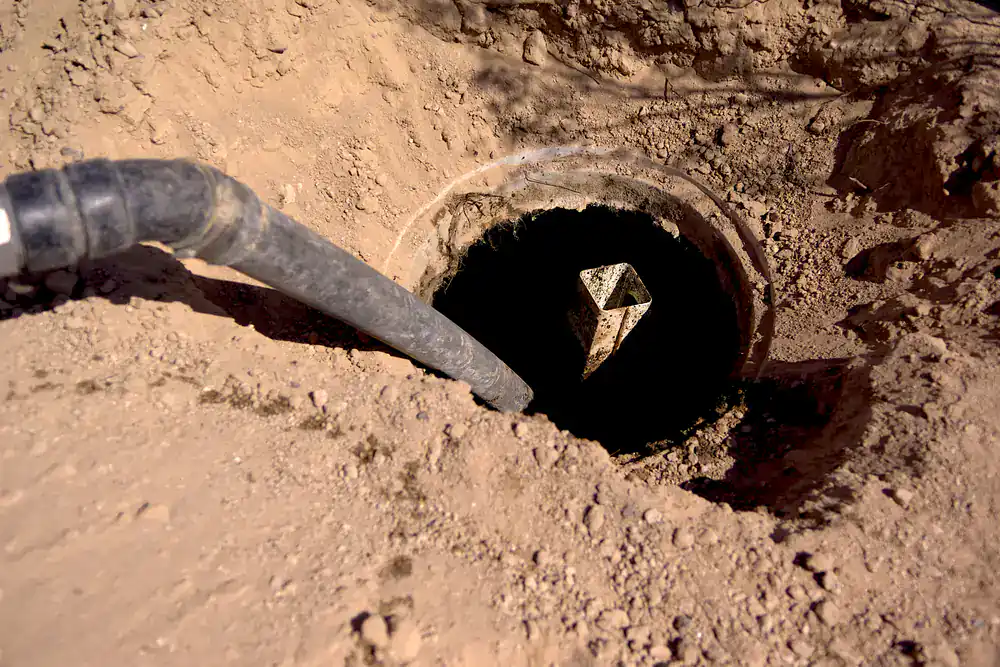
If your tank lid is buried, which is common on Islip properties built in the 1960s and earlier, locating it is part of the job. We specifically handle hard-to-find cesspools and septic tanks it’s not an extra obstacle, it’s something we’ve done hundreds of times on properties just like yours.
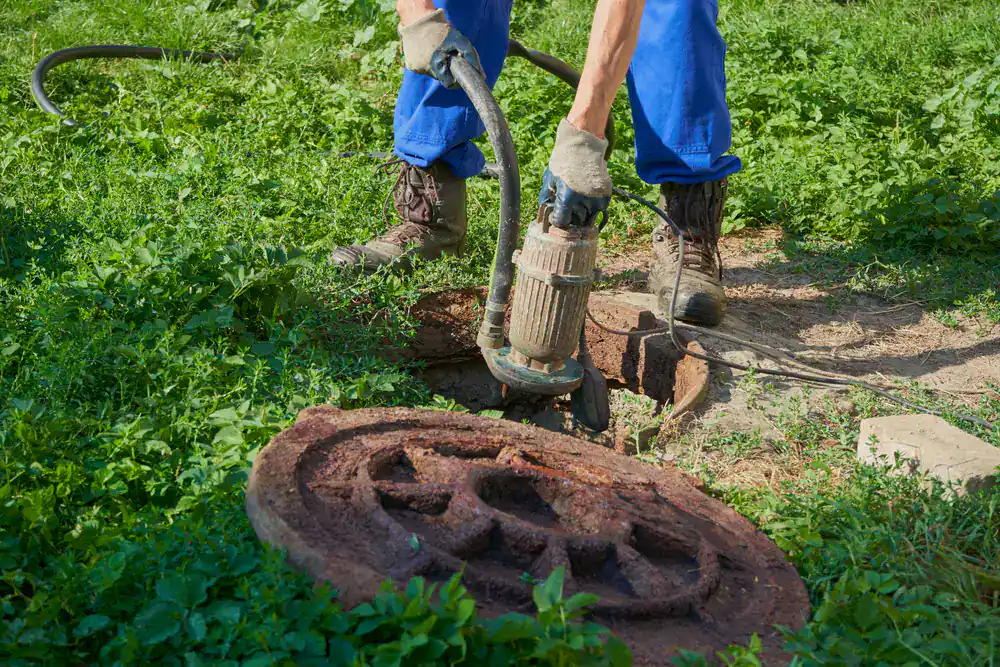
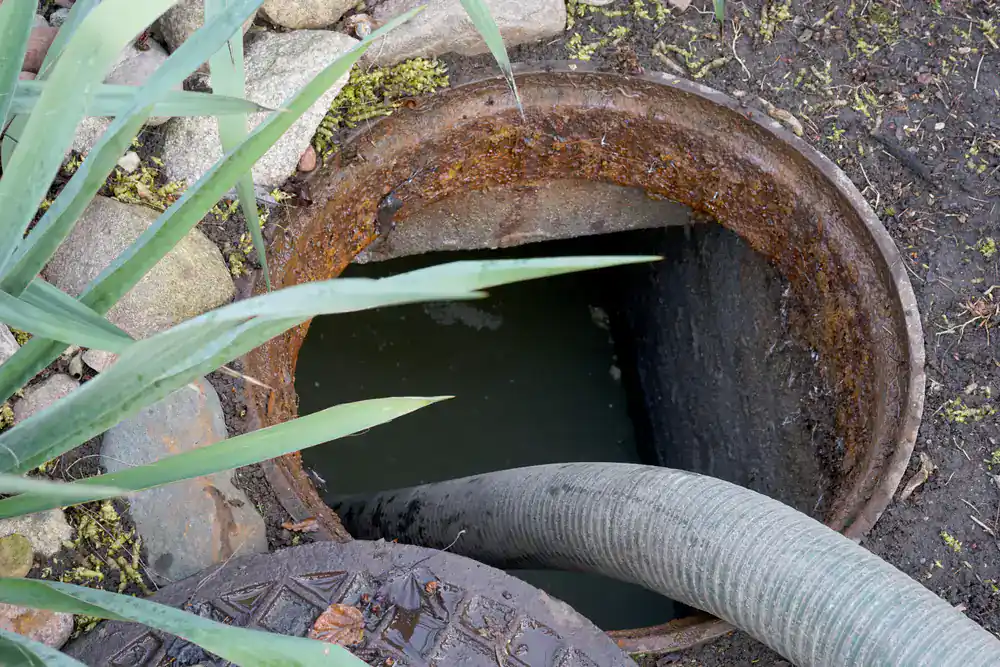
Once the system is located and accessed, we do a full pump-out not a partial one. That means removing the accumulated sludge and waste completely, not just clearing the surface layer. After pumping, we assess the condition of the system: checking baffles, looking for signs of infiltration or damage, and giving you a clear picture of what’s there. If something needs attention beyond routine pumping, we’ll tell you plainly and explain why.
For Islip properties near the bay or in low-lying areas, we also factor in whether the water table or soil saturation is affecting system performance because in this part of Suffolk County, that’s often part of the story. You’ll leave the appointment knowing the actual condition of your system, not just that someone came and pumped it.
Ready to get started?
Septic tank pumping is the core service, but what’s included in a proper visit goes beyond hooking up a hose. We handle residential and commercial septic pumping, cesspool pumping and aeration, drywell cleaning, drain cleaning, house trap replacements, and main sewage line cleaning and replacement. If a routine pump-out reveals something that needs more work, we can handle it you don’t need to track down a separate contractor.
For Islip homeowners specifically, a few things are worth knowing. Suffolk County requires that any cesspool replacement not just new installation, but replacement of a failed system be upgraded to a more advanced system rather than replaced in kind. That regulatory change has been in effect since 2019. If your system is aging and approaching the end of its service life, understanding that requirement ahead of time is better than being surprised by it during an emergency.
Properties near tidal waters like the Great South Bay also fall under environmental setback requirements, and an overflow near the bay can involve the DEC not just the county health department. Keeping your system properly maintained is the most direct way to stay ahead of that.
Whether you’re on a routine maintenance schedule, dealing with a slow drain, or haven’t had the system serviced in longer than you’d like to admit, the process starts the same way: a call, a free estimate, and a straight answer about what your system actually needs.