
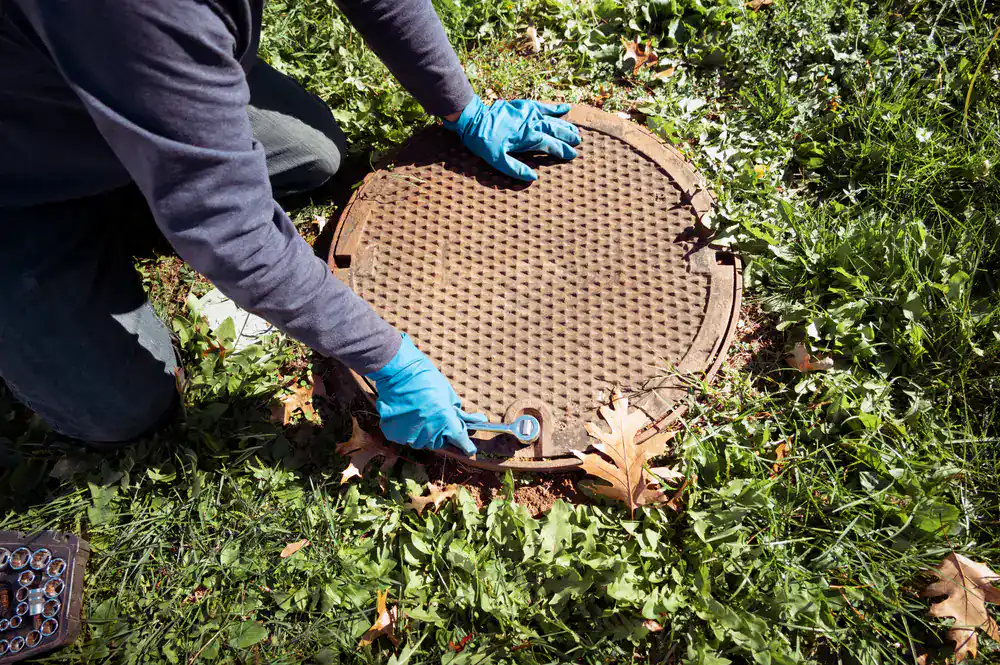
Useful Links
Other Services we provide in Islip
No and this is one of the most common misconceptions homeowners run into. Suffolk County banned new cesspool-only installations effective July 1, 2019. That means any replacement in Islip has to meet modern septic system standards at a minimum. Depending on your property’s location, lot conditions, and the scope of the work, you may also be required to install an I/A OWTS nitrogen-reducing system rather than a conventional septic tank and leaching field setup.
For Islip properties near the Great South Bay or along canal streets where the water table is shallow and the soil is coarse and sandy an I/A OWTS system is often the appropriate design regardless of what the minimum requirement is. The good news is that these systems are exactly what qualifies for Suffolk County’s Septic Improvement Program grants, which can cover a significant portion of the cost. The key is understanding the requirement before you start, not after.
The honest answer is that it depends on the specifics of your property, and anyone who gives you a firm number before seeing the site is guessing. That said, for Suffolk County homeowners, a conventional septic system replacement typically runs in the $20,000 to $40,000 range. An I/A OWTS nitrogen-reducing system averages around $25,000 before grants are applied.
The reason Islip costs can sit at the higher end of that range comes down to site conditions. Shallow groundwater, sandy coastal soils, and the proximity to tidal water on bayfront and canal properties can all affect the complexity of the installation. Soil evaluation and perc testing typically add $500 to $1,500 to the project, and permit fees with SCDHS generally run $200 to $500. If your property qualifies for the Suffolk County Septic Improvement Program, the combined state and county grants can reach up to $45,000 which changes the math significantly. Getting a written estimate after a proper site assessment is the only way to know what your specific project will cost.
I/A OWTS stands for Innovative and Alternative Onsite Wastewater Treatment System. It’s a nitrogen-reducing septic system that treats wastewater more thoroughly than a conventional cesspool or basic septic tank before releasing it into the soil. The reason Suffolk County has been pushing these systems hard and funding grants to make them more accessible is that conventional systems release roughly 40 pounds of nitrogen per household per year into the groundwater, and that nitrogen flows directly into the Great South Bay.
Whether you need one in Islip depends on your specific property and the scope of the work being done. For properties near the bay, on canal streets, or on lots with high groundwater or poor soil drainage, an I/A OWTS is often required and is frequently the only system that will pass SCDHS review. Beyond the regulatory question, it’s also the system type that qualifies for the SIP grant funding so for many Islip homeowners, it ends up being the financially smarter choice even if it wasn’t their first instinct.
The Suffolk County Septic Improvement Program (SIP) provides grants to eligible homeowners who replace failing cesspools or conventional septic systems with I/A OWTS nitrogen-reducing systems. As of July 2025, combined state and county grants can reach up to $45,000 for qualifying properties. The grant funds are assigned directly to the approved installer they’re not reimbursed to you after the fact, which is an important distinction.
To be eligible, your property needs to meet several conditions: it must be an existing residential property with a valid certificate of occupancy, it cannot have outstanding tax liens, and it must not be a new construction project. Critically, you have to apply for and receive your grant certificate before installation begins homeowners who hire a contractor and start work without going through the application process first lose their eligibility entirely. Islip properties in ZIP code 11751 fall within Suffolk County’s jurisdiction and are eligible to apply. Working with a contractor who understands the SIP process from the start keeps you from accidentally disqualifying yourself.
It’s one of the more stressful situations in a real estate transaction, and it comes up regularly with Islip’s older housing stock. When a buyer’s inspector flags a failing cesspool or a system that doesn’t meet current Suffolk County standards, it typically triggers one of three outcomes: the seller agrees to replace the system before closing, the sale price gets reduced to account for it, or the deal falls through. None of those are great options when you’re already under contract.
If you’re the seller, a proactive replacement done before listing, with full permit documentation and SCDHS inspection records removes that variable entirely and can actually be a selling point in a competitive market. If you’re the buyer and the inspection turned up a problem, the timeline gets tight. What you need is a contractor who will answer the phone, give you a clear and honest assessment of what’s required, and can move through the permit process without unnecessary delays. We provide installation records for every completed system, which is exactly the documentation a buyer’s attorney will ask for at closing.
The active installation work itself excavation, system installation, proper abandonment of the old cesspool typically takes one to three days once permits are in hand. Many Islip residential jobs complete in a single day. The longer part of the timeline is the permit process: filing with the Suffolk County Department of Health Services, completing soil evaluation and perc testing, and if you’re pursuing a SIP grant, getting that application approved before work can begin. That pre-installation window commonly runs a few weeks.
Spring tends to be the most popular time for septic installations on Long Island, so scheduling earlier in the season gives you more flexibility. If you’re dealing with an active failure backup, sewage smell, wet patches in the yard that changes the urgency and the conversation around what can be done in the short term while permits are processed. Call early, get the site assessed, and understand your timeline before the situation forces a decision. We’ll give you a straight answer on what the process looks like for your specific Islip property.
Hear from Our Customers
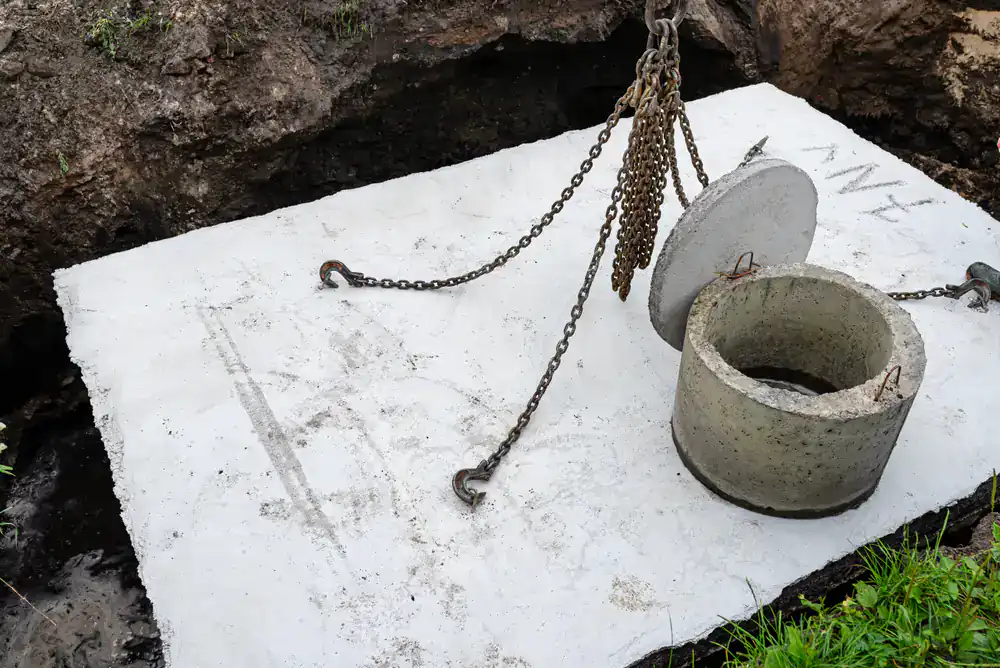
Most homeowners don’t think about what’s underground until something forces the issue a slow drain, a smell in the yard, or a line in a home inspection report that stops a sale cold. By that point, the options narrow and the timeline gets uncomfortable. Getting ahead of it changes the whole experience.
When you install a properly designed septic system in Islip, you’re not just replacing failing infrastructure. You’re putting in something built for the actual conditions beneath your property. Islip sits at the edge of the Great South Bay at roughly 16 feet of elevation. That means a shallow water table, coarse sandy soil, and drainage conditions that accelerate the breakdown of older cesspool systems. A system designed with those realities in mind performs better, lasts longer, and is far less likely to create an emergency down the road.
There’s also a financial side that’s easy to miss. Suffolk County and New York State currently offer combined grants of up to $45,000 for eligible homeowners who install an I/A OWTS nitrogen-reducing system. On a home worth around $587,000 which is close to the median in Islip that’s a meaningful offset. But the grant has to be applied for and approved before installation starts. Homeowners who move forward without understanding that step lose eligibility entirely. Knowing how the process works before you pick up the phone makes a real difference.
We’re based in West Babylon about eight to ten miles west of Islip along the South Shore. That’s not a detail we throw in to sound local. It means our crew has been navigating the same sandy coastal soils, the same SCDHS permit process, and the same Suffolk County Article 6 requirements that apply to every job in Islip. The conditions under a bayfront street in Islip are not the same as what you’d find in an inland town, and the installation approach has to reflect that.
We’re family-owned and operated, with over 30 years of hands-on experience in this region. When you call, a real person picks up. When a time is given, our crew shows up. Customers have said that repeatedly in reviews and in an industry where that’s rarer than it should be, it matters. From Great River and Oakdale just to the east, to communities throughout Nassau and Suffolk, we’ve been doing this work long enough to know what Islip properties actually need.
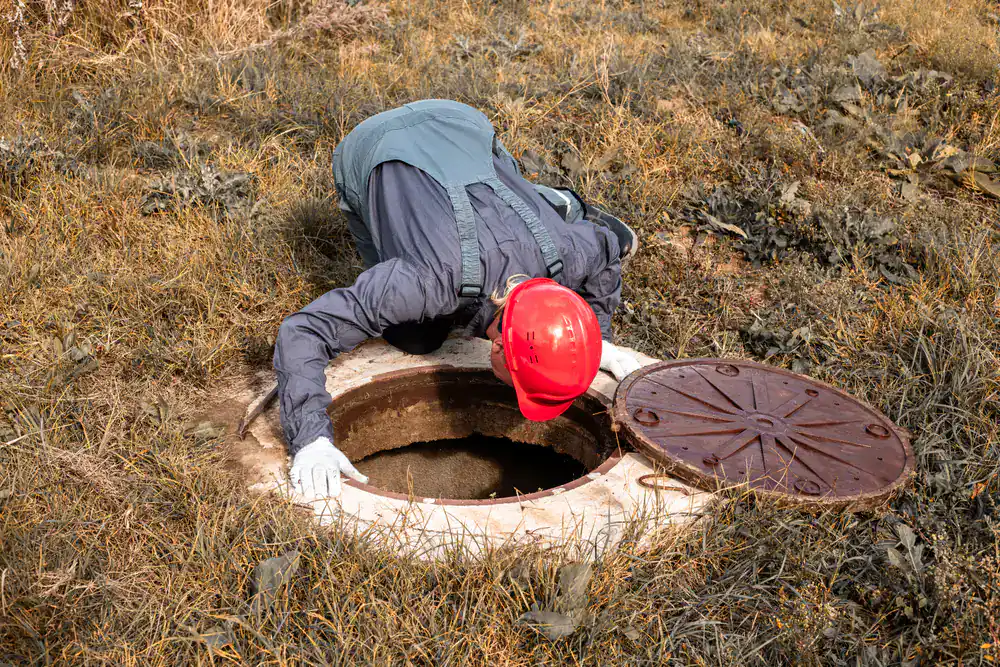
The process starts with a site assessment. Before any permits are filed or equipment is scheduled, we evaluate the property soil conditions, groundwater depth, available space, and the condition of the existing system. In Islip, that evaluation carries extra weight. The shallow water table near the bay affects which system designs are viable, and the sandy soil composition determines how quickly a failing cesspool is contaminating the groundwater beneath your yard. That information shapes everything that comes after.
Once the assessment is done and the right system design is confirmed, the permit application goes to the Suffolk County Department of Health Services. This is where a lot of homeowners get caught off guard the permit process takes time, and if you’re also pursuing a Suffolk County Septic Improvement Program grant, the application and approval have to happen before any installation work begins. Getting those steps in the right order matters.
When permits are in hand, most residential installations in Islip complete in one to three days of active work. We pump and properly abandon the old system documented and filled according to county requirements. The new system goes in. A post-installation inspection by SCDHS follows, and you receive full documentation of the completed work. That paperwork is worth keeping it’s exactly what a buyer’s attorney will ask for if you ever sell the home.

Ready to get started?
Septic system installation in Islip isn’t a one-size situation. The right system depends on your lot size, soil conditions, groundwater depth, household size, and whether your property has any site constraints all of which vary significantly across the hamlet. Properties closer to the bay or along canal streets often require an I/A OWTS system specifically because of the high groundwater and proximity to tidal water. That’s not a upsell it’s a Suffolk County regulatory reality for a lot of Islip addresses, and it’s also the system type that qualifies for the SIP grant funding.
We handle the full scope: site evaluation, system design, permit filing with SCDHS, excavation, installation, proper abandonment of the existing cesspool, and coordination of the post-installation inspection. You’re not managing multiple contractors or chasing paperwork one company moves the project from start to finish. Installation records are provided for every completed system, which matters both for county compliance and for your own records as a homeowner.
If your Islip property has an unmarked or hard-to-locate cesspool common in homes built in the 1940s and 1950s we locate it before any work begins. You won’t be paying for excavation in the wrong spot.
