Useful Links
Other Services we provide in Great River
The standard guidance you’ll find online pump every three to five years is calibrated for the average Suffolk County home. Great River is not average. The hamlet sits at 13 feet of elevation at the mouth of the Connetquot River estuary, which keeps the water table persistently high year-round. When groundwater is close to the surface, the soil surrounding your cesspool’s leaching pool absorbs effluent more slowly. That reduces effective capacity and means the system fills faster than it would in an inland community with deeper groundwater.
For most Great River homes, a realistic pumping interval is closer to every one to three years, depending on household size, system age, and how the system has been maintained historically. Homes built in the 1950s with older single-chamber cesspools tend to be on the more frequent end of that range. If you don’t know when yours was last serviced which is common for properties that have changed hands multiple times the right starting point is a pump-out and inspection now, not a guess about when it might be due.
For a standard residential pump-out in Suffolk County, you’re generally looking at somewhere between $200 and $500 for a routine service call. The actual number depends on tank size, how accessible the system is, how much waste has accumulated, and whether the job is scheduled in advance or called in as an emergency. Emergency pumping carries a meaningful premium over planned service, which is one of the practical arguments for staying on a regular schedule rather than waiting for a problem to force your hand.
What you want to avoid is the pattern that generates most of the negative reviews in this industry: a low number quoted over the phone that climbs significantly once the truck is in your driveway. Before any work begins, you should have a clear understanding of what the job covers and what it costs. Ask for that conversation upfront. A company that won’t have it clearly before showing up is telling you something important about how the rest of the job will go.
Most homes in Great River were built in the 1950s, which means the cesspool systems beneath them are somewhere between 65 and 75 years old. Pre-1973 systems in Suffolk County were built as single-chamber cesspools they don’t separate solids from liquid effluent the way modern systems do, which means they accumulate waste faster and require more frequent service. They’re also more likely to show their age in ways that a routine pump-out will reveal: cracked chambers, compromised leaching pools, or covers that have shifted over decades of ground movement.
The other issue specific to older Great River properties is documentation. If your home has changed hands two or three times since it was built, there’s a reasonable chance no one passed along records of where the cesspool is or when it was last serviced. That’s not a crisis, but it does mean your first call should be to a company that knows how to locate a system without those records and without unnecessary damage to your property in the process.
Great River’s South Shore position and low elevation make it more vulnerable to storm-related cesspool stress than most of the Town of Islip. When a significant nor’easter or tropical event moves through, tidal surges from the Great South Bay can raise local groundwater levels rapidly. A cesspool that was functioning normally before the storm can be pushed into backup conditions within hours if the water table rises fast enough to overwhelm the leaching pool’s drainage capacity.
This pattern is real and recurring in Great River. South Shore communities at low elevation experience it regularly, and Great River sitting directly behind Fire Island with no significant elevation buffer is among the more exposed communities in the area. The practical implication is that heading into storm season with a cesspool that’s already near capacity is a real risk. If you’re not sure where your system stands, a pump-out before the spring high-water season or before a major storm forecast is a reasonable precaution. We operate 24/7, including emergency response, for situations where the timing doesn’t cooperate.
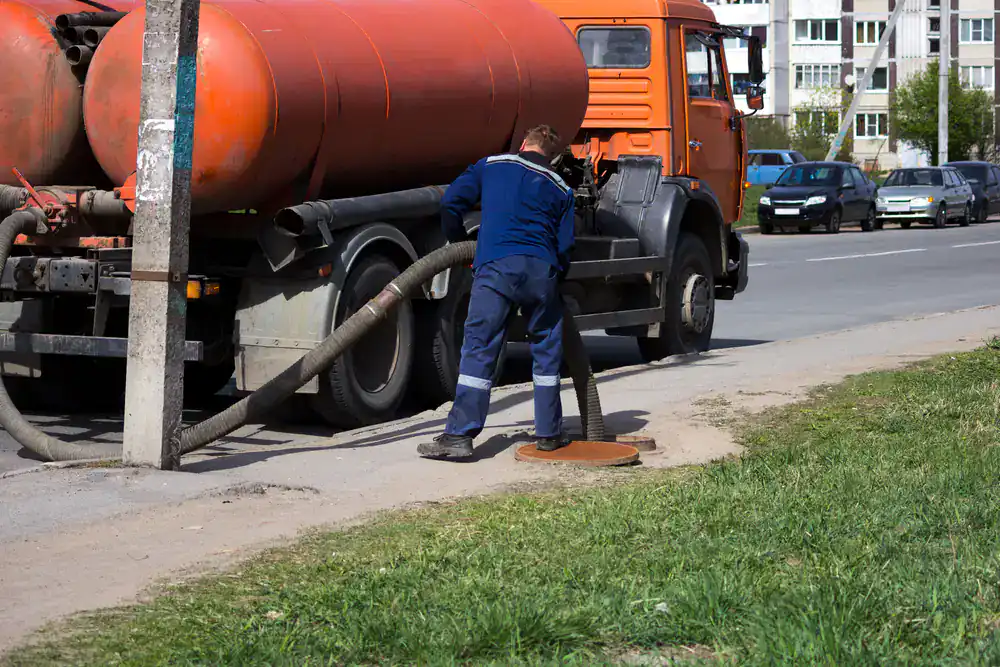
They’re related but not the same, and the difference matters more than most homeowners realize. Pumping removes the liquid and floating solids from the tank it’s the core service and what most people mean when they schedule a routine visit. Cleaning goes further: it addresses the hardened sludge layer that settles at the bottom of the chamber over time, along with a more thorough inspection of the system’s structural condition. If a cesspool hasn’t been serviced in several years, or if it’s an older single-chamber system common to Great River’s 1950s housing stock, cleaning may be the more appropriate service.
The distinction also matters for what you’re paying for. Some companies quote a pumping price and deliver a pumping service which is fine if that’s what your system needs. Others use the terms interchangeably, which can lead to confusion about what actually happened. When you call, ask directly what the service includes and what the technician will be looking at beyond the basic pump-out. A company that can answer that question clearly is one that knows what they’re doing.
In practice, yes. At the home values Great River carries median prices in the $840,000 to $869,000 range buyers and their attorneys are thorough. Cesspool maintenance records are commonly requested during the inspection and due diligence period. A seller who can’t produce documentation of recent pumping and system condition is handing the buyer a negotiating point, and in some cases it can delay or complicate a closing entirely.
Suffolk County also tracks cesspool maintenance records through its health department system, and those records can be requested as part of a real estate transaction. Having a documented service history from a licensed Suffolk County contractor not just a verbal assurance that “it was done a few years ago” puts you in a significantly stronger position as a seller. Written service documentation after every job is standard practice with us, not something you have to ask for separately. If you’re planning to list your Great River property and aren’t sure when the system was last serviced or documented, scheduling a pump-out before listing is one of the simpler things you can do to protect the transaction.
Hear from Our Customers
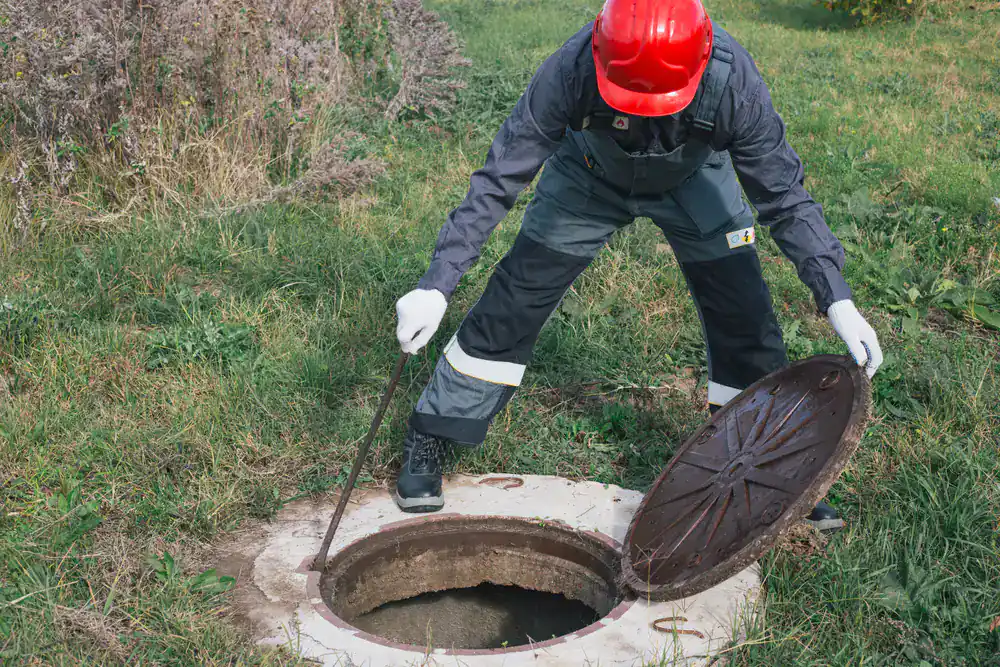
When your cesspool is properly maintained, you stop guessing. No smell creeping into the house. No slow drains that make you nervous every time it rains. No panicked call on a Saturday because something backed up while guests were over. That’s what regular pumping actually buys you not just an empty tank, but peace of mind that the system underneath your property is doing its job.
For Great River homeowners specifically, that peace of mind is harder to come by than it is for people living inland. Your home sits at the mouth of the Connetquot River estuary, at 13 feet above sea level, with the Great South Bay to your south. That combination keeps the water table persistently high and a high water table means your cesspool’s surrounding soil absorbs effluent more slowly than standard pumping schedules account for. The generic “every three to five years” guidance was written for communities with deeper groundwater. Here, it often isn’t conservative enough.
Most homes in Great River were built in the 1950s, which puts the average cesspool system somewhere between 65 and 75 years old. These older single-chamber systems fill faster and fail with less warning than modern designs. Staying on top of pumping isn’t just good maintenance on a property worth $840,000 or more, it’s one of the smarter things you can do to protect what you’ve built here.
We’re a family-owned cesspool and drainage company based in West Babylon about 12 to 15 miles west of Great River along the South Shore. Over 30 years, we’ve built specific knowledge of how Long Island’s sandy soil behaves, how the South Shore’s water table shifts with the seasons, and how older housing stock like what you’ll find throughout Great River tends to age underground.
We handle the full range: cesspool pumping, cesspool cleaning, drain cleaning, septic pumping, and full system installation when it comes to that. One call covers the whole picture you’re not managing three different contractors for a single property issue.
One thing worth knowing: we specialize in locating hard-to-find cesspools. If you’ve owned your Great River home for less than a decade and have no idea where the system actually is, that’s not an unusual situation here. Decades of ownership changes on 1950s-era properties leave a lot of location records behind. Our technicians find systems that other companies can’t, and we do it without tearing up your lawn unnecessarily.
It starts with a call. A real person picks up not a voicemail, not a callback queue. You describe what’s going on, and we give you a clear picture of what to expect, including timing and cost, before anyone shows up at your door. That upfront conversation matters, because the most common complaint in this industry is a phone quote that jumps the moment a truck pulls into the driveway. That’s not how we work.
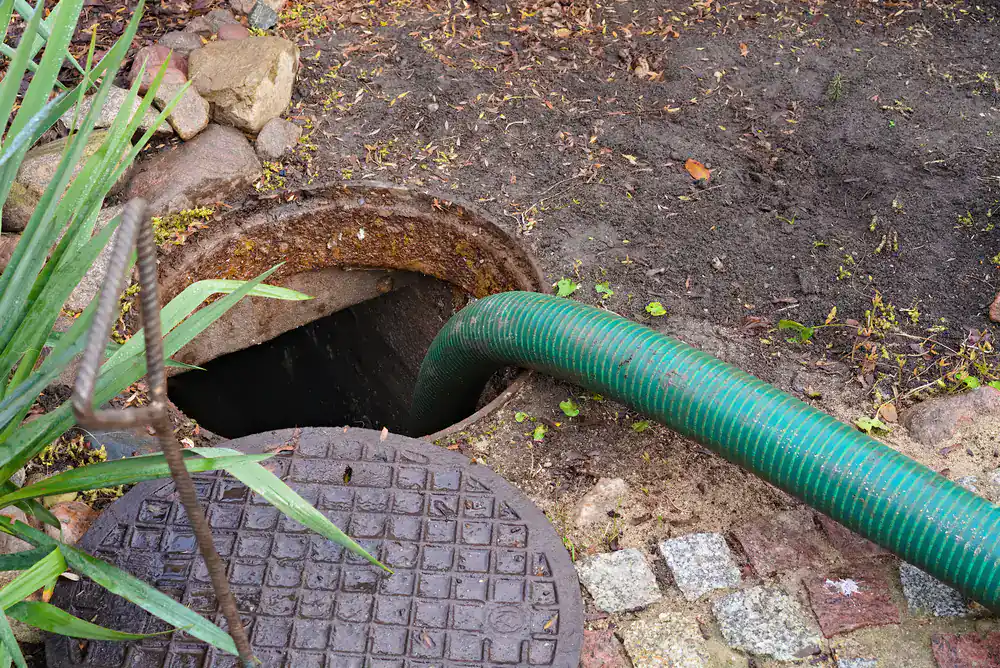
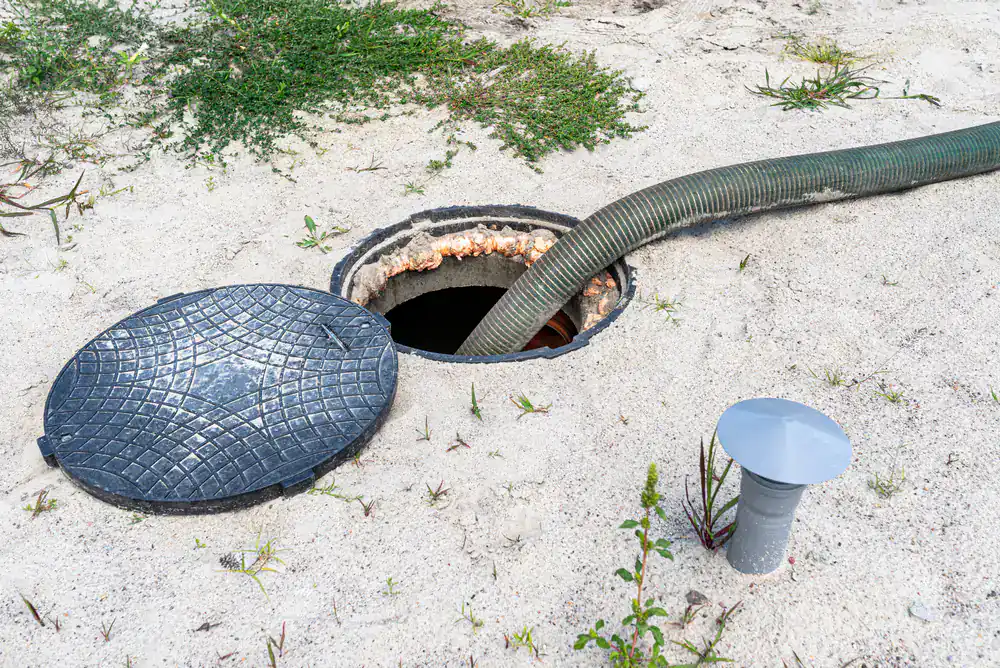
When our technician arrives, the first step is locating and accessing the cesspool. For many Great River properties especially those built in the 1950s with no surviving documentation that means finding the system before anything else can happen. Once access is established, the pumping itself removes the accumulated solids and liquid waste from the tank. For older single-chamber cesspools common to this area, a thorough pump-out also includes a look at the system’s condition. If something needs attention beyond routine service, you’ll hear about it clearly and honestly not as a pressure tactic, but because you need to know.
After the job is done, you receive written documentation of the service. In Great River, where home values run high and real estate transactions are serious events, that paperwork matters. Buyers and their attorneys ask for cesspool maintenance records. Having a clean paper trail from a licensed Suffolk County contractor is worth more than most homeowners realize until the moment they need it.
Ready to get started?
Cesspool pumping and cesspool cleaning are not the same thing, and most homeowners don’t know that until they’re standing in the driveway asking why the price changed. Pumping removes the liquid and floating solids from the tank. Cleaning goes further it addresses the hardened sludge that accumulates over time, along with a closer inspection of the chamber walls and system components. For Great River’s older 1950s-era systems, that distinction can be the difference between a routine service call and catching a developing problem before it becomes a $20,000 repair.
We handle both, along with drain cleaning, septic pumping, and full system installation. If your property is approaching the point where a conventional cesspool can no longer be repaired Suffolk County banned new conventional cesspool installation in 2019, meaning any replacement must be an Innovative/Alternative Onsite Wastewater Treatment System we can walk you through what that process looks like and what it costs before you’re forced into a decision under pressure.
For Great River homeowners whose properties sit in the Connetquot River and Great South Bay watershed, there’s also an environmental dimension to this that goes beyond home maintenance. Nitrogen from aging, undertreated cesspools moves through the sandy aquifer and discharges directly into the estuary. Regular pumping by a properly licensed and equipped contractor is the most direct thing you can do about that not abstract environmentalism, just the practical reality of living where you live.