Useful Links
Other Services we provide in Great River
No—and this is one of the most important things to understand before you start getting quotes. Suffolk County banned new cesspool-only installations effective July 1, 2019. If your existing cesspool in Great River fails or needs replacement, you cannot simply swap it out for a new one. At minimum, the replacement must meet modern septic tank standards. In many cases—particularly for properties in Great River given its location within the Connetquot River priority watershed zone—an I/A OWTS advanced nitrogen-reducing system may be required or strongly recommended by SCDHS.
This catches a lot of Great River homeowners off guard, especially those who have owned their property for decades and had cesspool pumping done routinely without any issues. The rules changed, and any contractor who tells you otherwise either doesn’t know Suffolk County code or is hoping you don’t. Make sure whoever you hire is current on Article 6 of the Suffolk County Sanitary Code and holds a valid Liquid Waste License from the county—those are non-negotiable requirements for anyone doing this work legally in Great River.
The honest answer is that it varies, and anyone who gives you a firm number without seeing your property first isn’t being straight with you. In Suffolk County, a complete septic system replacement generally ranges from $20,000 to $40,000 depending on the system type, lot conditions, and whether an I/A OWTS nitrogen-reducing system is required. The average cost for an I/A OWTS installation specifically runs around $25,000. Permit fees from SCDHS typically add $200 to $500, and soil percolation testing runs $500 to $1,500.
For Great River homeowners, the SIP grant program is worth exploring before you focus too hard on the sticker price. Suffolk County and New York State offer combined grant funding of up to $45,000 for qualifying I/A OWTS installations as of 2025—which can bring your net out-of-pocket cost to near zero depending on your situation. The key is that the grant has to be approved before installation begins, and you have to work with a contractor on the SIP Approved Installer List. A site visit and honest conversation about your property is the right starting point for understanding what your specific job will involve.
I/A OWTS stands for Innovative and Alternative Onsite Wastewater Treatment System. It’s the category of advanced septic systems that Suffolk County now requires for new construction and major reconstruction—and increasingly recommends or mandates for replacements in environmentally sensitive areas. What makes them different from conventional systems is that they actively treat wastewater to remove nitrogen before it reaches the soil and groundwater, rather than relying solely on soil filtration. Most I/A OWTS systems reduce nitrogen output by up to 70% compared to a conventional cesspool or standard septic system.
For Great River specifically, the case for an I/A OWTS is particularly strong. The hamlet sits at just 13 feet above sea level, meaning the water table is close to the surface and there’s less natural soil distance for conventional systems to do their job. The Connetquot River, which borders Great River to the east, is one of the waterways Suffolk County has explicitly targeted in its nitrogen reduction initiatives. Whether or not your specific property is required to install an I/A OWTS system depends on your lot, your existing system, and the scope of the project. That’s something we assess during the site visit.
There are two timelines to think about: the permit process and the actual installation. The installation itself—excavation, system placement, abandonment of the old system, and site restoration—typically takes one to three days of active work for a residential property. That’s the part most homeowners are relieved to hear. The permit process with SCDHS adds time on the front end, and that window can vary depending on the complexity of your application and current processing times at the county level.
For Great River properties, it’s worth building in realistic lead time. The Connetquot River watershed is an active regulatory focus area for Suffolk County, which means applications for properties in this zone may receive additional scrutiny during the SCDHS review process. Getting your application complete and accurate the first time is the best way to avoid delays. We handle the permit filing and coordinate the soil percolation testing, so you’re not navigating that process alone. If you’re working against a real estate transaction deadline, tell us that upfront—we’ll be honest with you about whether the timeline is realistic and what can be done to move things along.
Your old cesspool doesn’t just get left in the ground and forgotten. Proper abandonment is a required part of the process under Suffolk County code, and it has to be documented. The old system gets pumped out completely, then it’s either crushed and filled or otherwise rendered non-functional in a way that prevents future collapse or contamination. All of this gets recorded, and you receive documentation of the abandonment as part of your installation records.
This matters for a few reasons. First, it’s legally required—leaving an abandoned cesspool in an undocumented state can create liability issues down the road, particularly if you sell the property. Second, in a community like Great River where many homes have been in families for decades or are changing hands at significant price points, buyers and their attorneys will ask about this. Having clean documentation that shows the old system was properly decommissioned and a new compliant system was installed is part of protecting your investment. We provide installation records for the new system before we leave the job, so you have everything you need in hand.
The Suffolk County Septic Improvement Program has a few eligibility requirements that are worth understanding before you assume you qualify—or assume you don’t. To be eligible, your property generally needs to have an existing cesspool or conventional septic system that doesn’t meet current nitrogen-reducing standards, a valid Certificate of Occupancy, no outstanding tax liens, and you must be replacing the system rather than building new construction. The system being installed must be an approved I/A OWTS model, and the contractor must be on the county’s SIP Approved Installer List.
One thing that trips people up: the grant has to be in place before installation begins. You can’t do the work first and apply for reimbursement after. The grant funding is assigned directly to the approved contractor—it doesn’t come to you as a check. For Great River homeowners, this program is genuinely worth pursuing given the hamlet’s location within the Connetquot River watershed, which is one of the areas Suffolk County has prioritized for nitrogen reduction investment. The first step is finding out whether your property qualifies and whether your chosen contractor is on the approved list. Reach out to us and we’ll help you understand where you stand before any commitments are made.
Hear from Our Customers
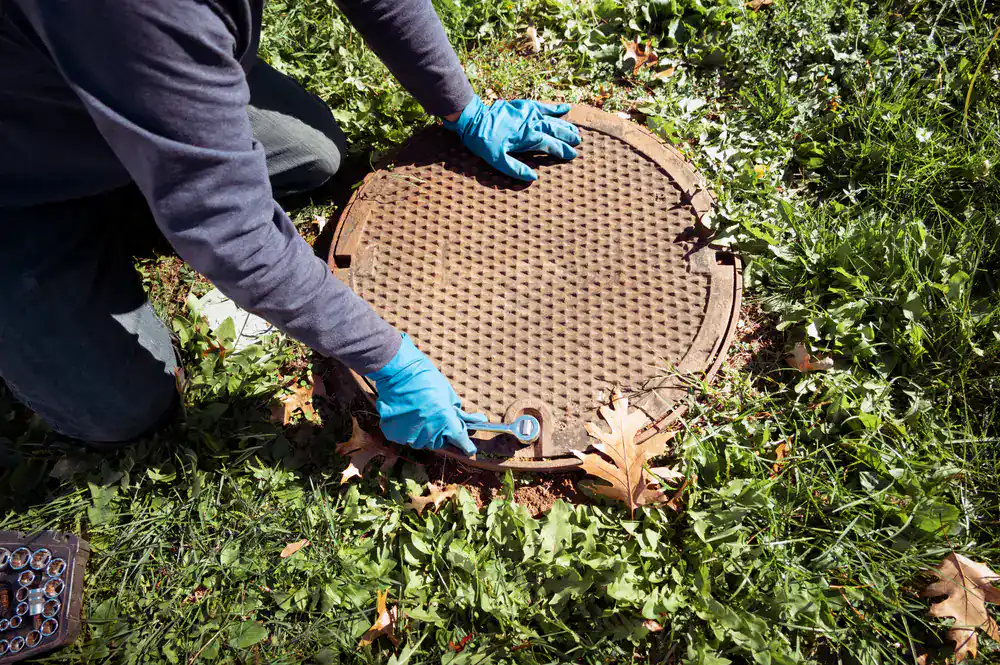
Great River’s location within the Connetquot River priority watershed zone means your septic system replacement isn’t just a routine property maintenance job. The Connetquot River empties directly into Nicoll Bay and the Great South Bay, and Suffolk County has explicitly targeted this watershed for nitrogen reduction. A conventional cesspool sitting in Great River’s shallow groundwater profile isn’t just aging out—it’s actively pushing nitrogen into water you can see from your yard.
When you replace an outdated system with a properly installed modern septic system or an I/A OWTS nitrogen-reducing system, you’re meeting current Suffolk County code and installing a system that actually functions given where you live. Effluent gets treated before it reaches the water table. Your property stays compliant. And if you’re thinking about selling, buyers at Great River’s price points won’t accept a 60-year-old cesspool that doesn’t meet current standards.
The other thing that changes is the uncertainty. Many homeowners in Great River have been putting this off because they don’t know what it will cost, how long it will take, or whether permits will drag on for months. The process is more manageable than most people expect, and we’ll walk you through every step before anything gets started.
Drastic Drainage Long Island is a family-owned company based in West Babylon, about 8 to 10 miles from Great River via Montauk Highway. We’ve been working the Town of Islip corridor—from Babylon through Oakdale and down to the South Shore waterfront communities—for over 30 years. That means we know the SCDHS permit process, the soil conditions along the South Shore, and what it takes to get a job done and inspected without the delays that drag projects out for weeks.
We also know Great River specifically. We understand the shallow water table here, the proximity to the Connetquot River, and why the county pays close attention to septic replacements in this hamlet. When you call, a real person answers. When we give you an arrival window, we show up in it. Michael Chiofalo’s name is on this business, and that means every job in Great River gets the same level of attention whether it’s a straightforward replacement or a more involved I/A OWTS installation near the Connetquot watershed.
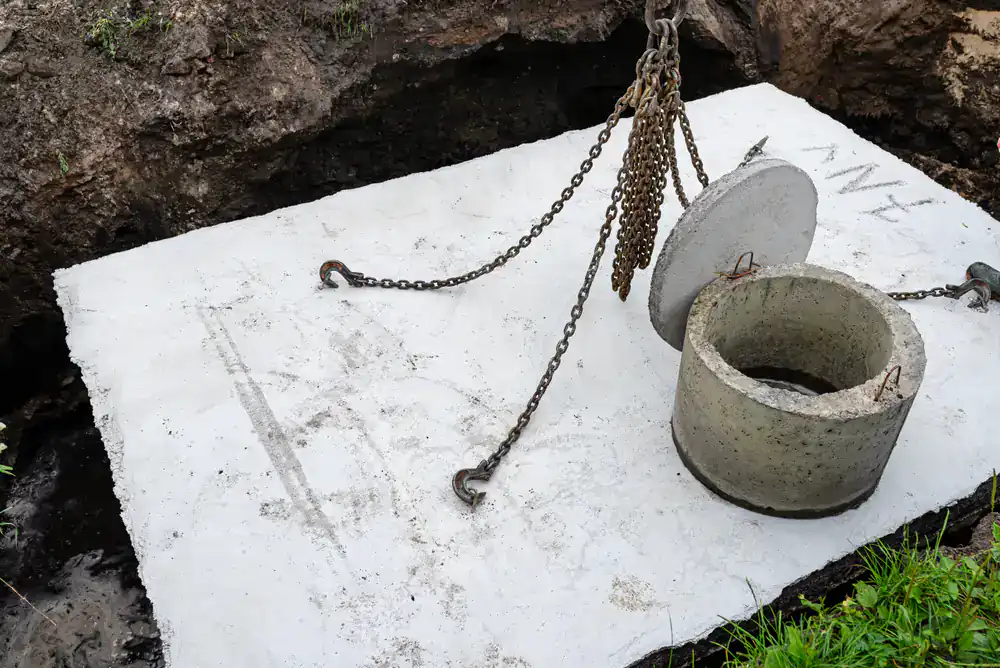
It starts with a site visit. Before any numbers get thrown around or any work gets scheduled, we come out to your Great River property, assess what’s there, and give you a clear picture of what the replacement involves. Every property is different—lot size, soil conditions, proximity to water, existing system type—and the only way to give you an honest estimate is to see it in person.
From there, we handle the permit process with the Suffolk County Department of Health Services. For Great River properties, this means filing through SCDHS and coordinating with the Town of Islip depending on excavation scope. Given Great River’s location within the Connetquot River watershed, installations here receive close regulatory attention. Getting the paperwork right the first time matters. Soil percolation testing is typically part of this phase, and we coordinate that as well.
Once permits are in hand, the installation itself moves quickly. Most residential jobs are completed in one to three days of active work. We handle the proper abandonment of the old system, the installation of the new one, and the post-installation documentation. You’ll have installation records for the new system before we leave. The final step is the SCDHS inspection, which we coordinate and prepare for—so you’re not left managing that on your own.

Ready to get started?
Septic system installation in Great River isn’t one-size-fits-all, and the regulatory environment here reflects that. Suffolk County banned cesspool-only replacements in 2019, which means if your existing system fails, you’re looking at a modern septic system at minimum. For many Great River properties—particularly those near the Connetquot River or with shallow groundwater depth—an I/A OWTS system is the appropriate choice. These advanced nitrogen-reducing systems remove up to 70% more nitrogen than conventional systems, which matters significantly when your groundwater flows directly toward the Great South Bay.
We install septic systems of different designs, styles, and sizes based on the specific needs of your property. That includes conventional septic tank and leaching field systems where appropriate, and I/A OWTS nitrogen-reducing systems for properties where the county’s advanced treatment requirements apply. We also handle the full abandonment of your old cesspool or septic system—pumped, properly filled, and documented—so there’s no gray area on what was left behind.
If you’re a Great River homeowner wondering about the Suffolk County Septic Improvement Program, it’s worth understanding early in the process. Qualifying properties may be eligible for significant grant funding for I/A OWTS installations, but the grant has to be approved before installation begins and the contractor must be on the SIP Approved Installer List. Talk to us about your eligibility before any work gets scheduled—getting that sequence right is the difference between accessing the program and missing it entirely.