
By submitting you consent to receive service-related texts from Drastic Drainage. Reply STOP to opt out. Msg & data rates may apply. Consent not required to book service.
Useful Links
A properly serviced cesspool doesn’t announce itself. No odor creeping into the yard. No slow drains that worsen week by week. No wet patches in the grass after a dry stretch of weather. That quiet is what you’re paying for — and it’s worth more than most people realize until something goes wrong.
For Islip homeowners specifically, the stakes are higher than they are in most of Suffolk County. The water table along the South Shore sits close to the surface under normal conditions. After a nor’easter pushes bay water inland, it gets closer still. When that happens, a leaching field that was already marginal loses its ability to absorb effluent entirely — and a cesspool that seemed fine last month becomes an active problem overnight.
Staying ahead of that with regular maintenance isn’t overcautious. It’s how things work here.
There’s also the real estate side of it. Homes in Islip have been selling in around 29 days on average, with prices well above $600,000. A cesspool that hasn’t been serviced or documented can stall a closing, trigger a price renegotiation, or require a rushed inspection at the worst possible time. When your system is in good shape and properly certified, that’s one less thing standing between you and a clean transaction.
Islip’s position on the North Shore of the Great South Bay creates a set of conditions that directly affect how cesspool systems perform. The water table throughout the South Shore communities — Islip, East Islip, West Islip, Bay Shore — sits close to the surface under normal circumstances. When a nor’easter rolls through or storm surge pushes bay water inland, that water table rises further, and the soil around your leaching field becomes saturated.
A saturated leaching field can’t absorb effluent the way it’s designed to. That’s when a system that seemed perfectly functional starts backing up. FEMA Zone AE flood designations cover portions of Islip’s residential core, which means some properties have less soil depth between their leaching field and groundwater than homeowners in higher-elevation communities.
This doesn’t mean your system is doomed — it means it needs to be properly maintained and monitored. When something starts going wrong, you don’t have as much time to wait and see as you might in other areas. Regular pumping and periodic inspections are the most effective way to stay ahead of the problem before a storm season or a heavy rain event turns a marginal system into an emergency.
The general recommendation for most Long Island households is every one to three years, depending on the size of your household and the capacity of your system. Most Long Island cesspools hold between 500 and 1,500 gallons. A household of four people will fill that faster than a household of two, and a system that’s already aging will give you less buffer before problems start showing up.
For Islip properties specifically, the coastal water table conditions mean it’s worth erring toward the shorter end of that interval rather than stretching it. A system that’s 80% full functions noticeably differently than one that’s been recently pumped — and on the South Shore, where storm events can push a marginal system over the edge quickly, having extra capacity in the system before storm season is a practical advantage.
Suffolk County also requires that systems be inspected every three years and that reports be submitted to the county. Staying on a regular pumping schedule makes it easier to stay compliant with that requirement without scrambling to catch up.
This is a genuinely important question for a lot of Islip homeowners, and the honest answer is: you may not know without a professional assessment. Suffolk County banned new traditional cesspool installations effective July 1, 2019. That ban applies to replacements too — if your existing system fails and needs to be replaced, it cannot be replaced with another conventional cesspool. It must be replaced with an Innovative/Alternative (IA) onsite wastewater treatment system, which reduces nitrogen output by up to 70% and costs significantly more than a traditional cesspool installation.
If your home was built in the mid-20th century — which covers a large portion of Islip’s housing stock — your cesspool system is likely between 50 and 70 years old. Cesspools typically last 20 to 40 years under normal conditions. That doesn’t mean yours is failing, but it does mean a professional inspection is the only way to know where things actually stand.
An inspection tells you whether the system is functioning, whether it’s approaching the end of its usable life, and whether any components need attention before they become a much larger problem. It also gives you documentation, which matters if you’re planning to sell.
Free, no-obligation estimates on cesspool, sewer, and drain work.
We get there quickly. No waiting days for a callback.
Backups don’t wait for business hours. Neither do we.
Fully licensed and insured across Long Island.
Up-to-date trucks and tools for cleaner, faster jobs.
Straight quotes, no surprises on the bill.
Hear from Our Customers
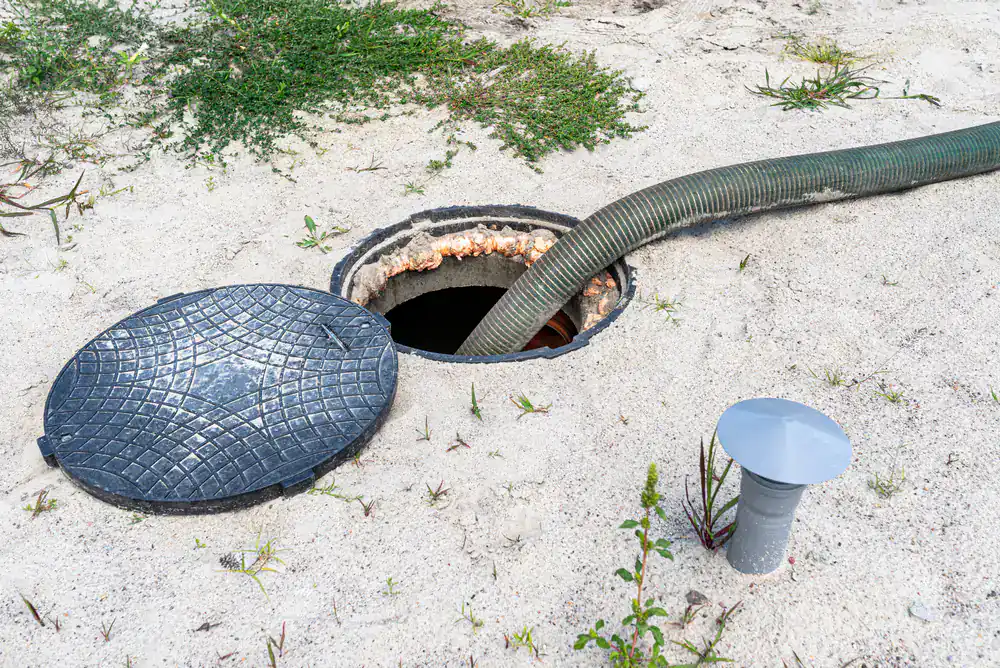
A properly serviced cesspool doesn’t announce itself. No odor creeping into the yard. No slow drains that worsen week by week. No wet patches in the grass after a dry stretch of weather. That quiet is what you’re paying for — and it’s worth more than most people realize until something goes wrong.
For Islip homeowners specifically, the stakes are higher than they are in most of Suffolk County. The water table along the South Shore sits close to the surface under normal conditions. After a nor’easter pushes bay water inland, it gets closer still. When that happens, a leaching field that was already marginal loses its ability to absorb effluent entirely — and a cesspool that seemed fine last month becomes an active problem overnight.
Staying ahead of that with regular maintenance isn’t overcautious. It’s how things work here.
There’s also the real estate side of it. Homes in Islip have been selling in around 29 days on average, with prices well above $600,000. A cesspool that hasn’t been serviced or documented can stall a closing, trigger a price renegotiation, or require a rushed inspection at the worst possible time. When your system is in good shape and properly certified, that’s one less thing standing between you and a clean transaction.
Drastic Drainage Long Island has been servicing cesspools across Nassau and Suffolk County for over 30 years. That’s not a number we throw around to sound impressive — it’s the reason we already know what South Shore soil behaves like after a storm, what a mid-century system in an older Islip neighborhood typically looks like, and what Suffolk County’s documentation requirements actually mean for your property.
We’re based in West Babylon, which puts us right next door to the Town of Islip. When you call, a real person picks up — not an answering service, not a callback queue. Our license number is LW-63684. We’re fully insured and bonded. When our technicians show up, they explain what they’re doing and why, so you’re not left guessing about what just happened under your lawn.
From routine cesspool pumping to emergency response to real estate certifications, we handle the full scope of cesspool service for Islip residents. That includes older homes near Main Street that haven’t had a documented inspection in years, and waterfront properties where environmental setback requirements near tidal waters add a layer of compliance that not every contractor is prepared for.

It starts when you call (631) 422-4122. Someone answers — not a form, not a voicemail. You describe what’s happening, and we give you a real timeframe. For emergencies, that means same-day response. For scheduled maintenance or inspections, we’ll find a time that works for you.
When we arrive, the first step is assessment. Before anything gets pumped or excavated, we need to know what we’re actually dealing with. For many Islip properties — especially older homes with no visible access point or documentation — that means locating the system first. We specialize in finding cesspools that have no marked cover, which is more common than people expect in a community with Islip’s housing history.
If the situation calls for it, we use waterproof video camera technology to inspect underground pipe conditions before any digging starts. That protects your landscaping and gives us an accurate picture of what’s going on, not a guess.
From there, we pump, clean, repair, or document — depending on what the system needs. If you’re preparing for a real estate transaction, we handle the inspection and certification paperwork that Suffolk County and New York State require for property transfers. If your system has reached the point where replacement is necessary, we’ll walk you through what that means under current Suffolk County law, including whether you may qualify for reimbursement through the county’s Septic Improvement Program. Every step gets explained before it happens.

Ready to get started?
Drastic Drainage Long Island handles the full range of cesspool services for residential and commercial properties in Islip and the surrounding Town of Islip communities — East Islip, West Islip, Islip Terrace, and beyond.
Routine cesspool cleaning and pumping is the core of what we do. For South Shore properties near the Great South Bay, we generally recommend not stretching the interval too long. The combination of a high water table, coastal flood exposure, and — for many Islip homes — systems that are already 50 to 70 years old means the margin for error is smaller here than it is in inland communities.
We also service leaching pools, drywells, and storm drains, and handle house trap replacements and main sewage line cleaning and replacement when the problem extends beyond the cesspool itself.
For Islip homeowners selling their property, our real estate certification service covers the detailed inspection and documentation that New York requires for property transfers. We know what Suffolk County’s Department of Health Services expects, and we produce paperwork that meets those requirements — which matters when your buyer’s attorney is reviewing the file.
If your system has failed and Suffolk County’s 2019 regulations require you to replace it with an Innovative/Alternative treatment system rather than a traditional cesspool, we can assess your situation and help you understand your options, including the county’s grant reimbursement program. And if your system is backing up at 11 PM after a storm surge has saturated the ground around your Islip property, our 24-hour emergency service is available by phone — not a form.
