By submitting you consent to receive service-related texts from Drastic Drainage. Reply STOP to opt out. Msg & data rates may apply. Consent not required to book service.
Useful Links
When your cesspool is in good shape, you stop thinking about it — and that’s exactly how it should be. No slow drains, no unexplained odors drifting through the yard, no wet patches showing up in the grass after a rainstorm. You go back to using your home the way you’re supposed to.
For Smithtown homeowners specifically, there’s more at stake than just daily convenience. A significant portion of the town’s housing stock was built during the postwar build-out of the 1950s and 1960s. That means a lot of cesspools in Kings Park, St. James, Nesconset, and the central hamlet are now 60 to 70 years old — well past the 20 to 40 year lifespan they were designed for. A system that’s been in the ground since the Eisenhower administration isn’t performing the same way it did at installation. Getting it properly serviced means you’re not sitting on a problem that’s been compounding for decades without showing obvious symptoms.
Smithtown also sits within a watershed that flows northward toward the Nissequogue River and Smithtown Bay — a designated nitrogen-priority water body. When cesspools leak or go too long without maintenance, that nitrogen ends up in the groundwater. Keeping your system clean and functional isn’t just about your property — it’s about what’s happening underground across the entire neighborhood.
Most homes in Smithtown built before the 1980s have a cesspool rather than a septic tank. The distinction matters because they work differently — a cesspool receives all household waste directly into a perforated underground chamber that allows liquid to seep into the surrounding soil, while a septic tank separates solids first before the liquid flows to a leaching field. Many Long Island homeowners use the terms interchangeably, but knowing which system you have affects how it should be serviced and what happens if it needs to be replaced.
If your home was built during the postwar decades — which describes a large portion of the housing stock in Kings Park, Nesconset, and the central Smithtown hamlet — it almost certainly has a conventional cesspool. The best way to confirm is to have a professional locate and inspect the system. We can locate systems with no visible access point, identify what type of system is in the ground, and give you a clear picture of its current condition. That’s the starting point for any informed decision about maintenance, repair, or replacement.
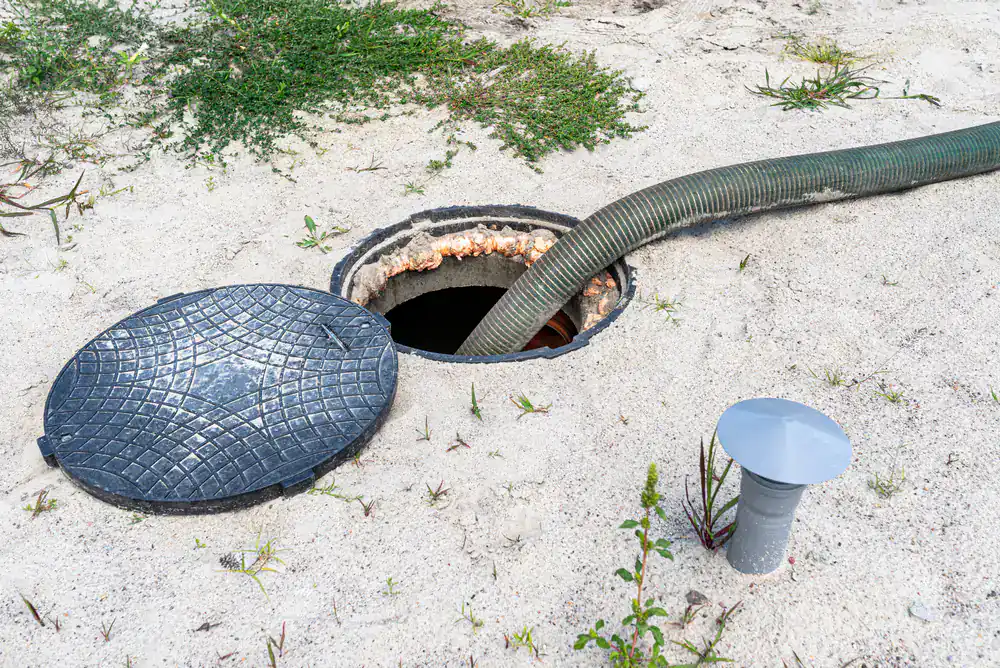
For most Smithtown households, every one to three years is a reasonable maintenance interval — but the right frequency depends on how many people are in the home and how large the system is. Most Long Island cesspools hold between 500 and 1,500 gallons. A family of four using a 1,000-gallon system will fill it faster than a couple in the same house. If you’re not sure when your system was last serviced, that’s the first thing to figure out.
What makes this especially relevant in Smithtown is the age of the housing stock. A cesspool that’s been in the ground for 60 or 70 years may have reduced absorption capacity simply because the surrounding soil has compacted over decades of use. That means it fills faster and takes longer to drain than it did when it was new. Regular pumping keeps the system functioning and gives a professional the chance to catch early signs of structural deterioration before they turn into a full failure. Suffolk County also requires pumping records for property sales, so staying current on maintenance protects you when it’s time to sell.
The most common early signs are slow drains throughout the house — not just one fixture, but multiple — combined with gurgling sounds in the pipes when water drains. A sewage smell in the yard or inside the home is another indicator. If you notice a wet, spongy patch of grass over where the cesspool is located, particularly after a dry period when it shouldn’t be wet, that’s a sign the system is surfacing rather than absorbing properly.
In Smithtown, the town’s glacial moraine terrain creates variable soil conditions across different neighborhoods. Some areas drain quickly, while others have higher clay content that reduces how well the soil absorbs. If your property sits in a lower-drainage zone — or near the Nissequogue River corridor where the water table can rise seasonally — a cesspool that’s borderline full can tip into active failure faster than it would in a sandier area. Heavy spring snowmelt and significant rain events accelerate this. If you’re seeing any combination of these signs, it’s worth a call before the situation goes from inconvenient to a genuine emergency.
Free, no-obligation estimates on cesspool, sewer, and drain work.
We get there quickly. No waiting days for a callback.
Backups don’t wait for business hours. Neither do we.
Fully licensed and insured across Long Island.
Up-to-date trucks and tools for cleaner, faster jobs.
Straight quotes, no surprises on the bill.
Hear from Our Customers

When your cesspool is in good shape, you stop thinking about it — and that’s exactly how it should be. No slow drains, no unexplained odors drifting through the yard, no wet patches showing up in the grass after a rainstorm. You go back to using your home the way you’re supposed to.
For Smithtown homeowners specifically, there’s more at stake than just daily convenience. A significant portion of the town’s housing stock was built during the postwar build-out of the 1950s and 1960s. That means a lot of cesspools in Kings Park, St. James, Nesconset, and the central hamlet are now 60 to 70 years old — well past the 20 to 40 year lifespan they were designed for. A system that’s been in the ground since the Eisenhower administration isn’t performing the same way it did at installation. Getting it properly serviced means you’re not sitting on a problem that’s been compounding for decades without showing obvious symptoms.
Smithtown also sits within a watershed that flows northward toward the Nissequogue River and Smithtown Bay — a designated nitrogen-priority water body. When cesspools leak or go too long without maintenance, that nitrogen ends up in the groundwater. Keeping your system clean and functional isn’t just about your property — it’s about what’s happening underground across the entire neighborhood.
We’ve been servicing cesspools and drainage systems across Nassau and Suffolk County for over 30 years. That’s not a number meant to impress you — it’s context. It means our team has been working on Long Island systems since many of the cesspools currently under Smithtown homes were already past their designed lifespan. We know the soil conditions here, the local permit requirements, and what a 60-year-old cesspool actually looks like when you open it up.
We already have an active service presence in St. James — a hamlet within the Town of Smithtown — and we’re familiar with how the Town of Smithtown participates in the Suffolk County Septic Improvement Program. That’s not something you learn from a Google search the morning of a job. It comes from years of working in these specific communities, with these specific systems, under these specific county regulations.
We’re licensed (#LW-63684), insured, and bonded — and every estimate is free, with no obligation before any work begins.
The first thing that happens when you call is straightforward: a real person picks up. Not a form, not a callback queue — an actual conversation where you describe what’s going on and get a real timeframe for when someone will be there. For emergency situations — sewage backing up, a wet patch spreading in the yard, toilets that won’t flush — that response is available around the clock.
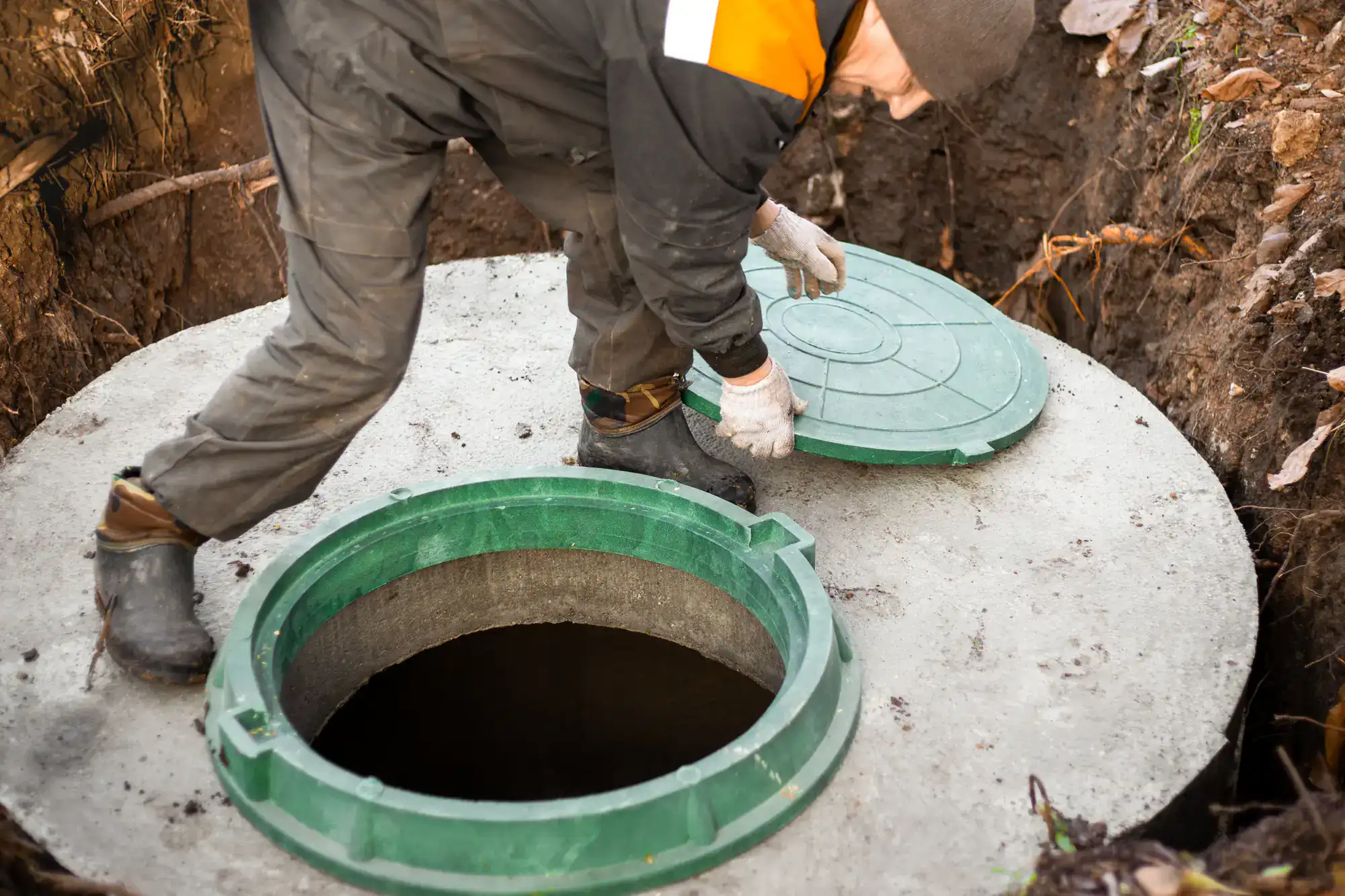
Once on site, we start with a proper assessment before any work begins. For systems with no visible access point — which is common in Smithtown’s older neighborhoods, where homes were built without clearly marked cesspool covers — we use cesspool location techniques to find the system first. From there, a waterproof camera goes underground to see exactly what’s happening in the pipes and the cesspool itself. That means the diagnosis is based on what’s actually there, not a best guess.
Work only begins once you know what’s needed and what it costs. In Smithtown, that sometimes means navigating Suffolk County permit requirements for repairs or replacements — particularly for systems that have failed, where county regulations now require replacement with an Innovative/Alternative (IA) treatment system rather than a conventional cesspool. We handle that process and can walk you through whether your situation qualifies for the county’s grant reimbursement program, which covers up to 75% of qualifying upgrade costs for Smithtown homeowners.

Ready to get started?
We handle the full range of cesspool and drainage work — not just pump-outs. Routine cesspool cleaning and pumping is the starting point for most calls, but the scope goes well beyond that. Video pipe inspections, cesspool location for systems with no visible access, drywell cleaning, house trap replacements, main sewage line cleaning and replacement, storm drain cleaning, and full cesspool installation are all handled in-house by our licensed crew.
For Smithtown residents dealing with a system that’s failed or is close to failing, we also manage cesspool installation and the transition to IA systems required under Suffolk County’s 2019 regulations. Given that Smithtown Bay is a designated nitrogen-priority water body and the county’s Septic Improvement Program is actively targeting this watershed, it’s worth understanding your options before a failure forces the decision. The Town of Smithtown participates in the program, which means qualifying homeowners may be eligible for significant grant reimbursement on a replacement system.
Real estate certifications are another service that comes up frequently in Smithtown’s fast-moving market. With homes selling at a median price around $815,000 and moving in an average of 40 days, Suffolk County’s documentation requirements for property sales aren’t something you can leave to the last minute. We provide the detailed inspections and certification paperwork that satisfy those requirements — done correctly the first time.