
Your pumping schedule isn't one-size-fits-all. Here's what Patchogue homeowners actually need to know about maintaining their septic system on the South Shore.
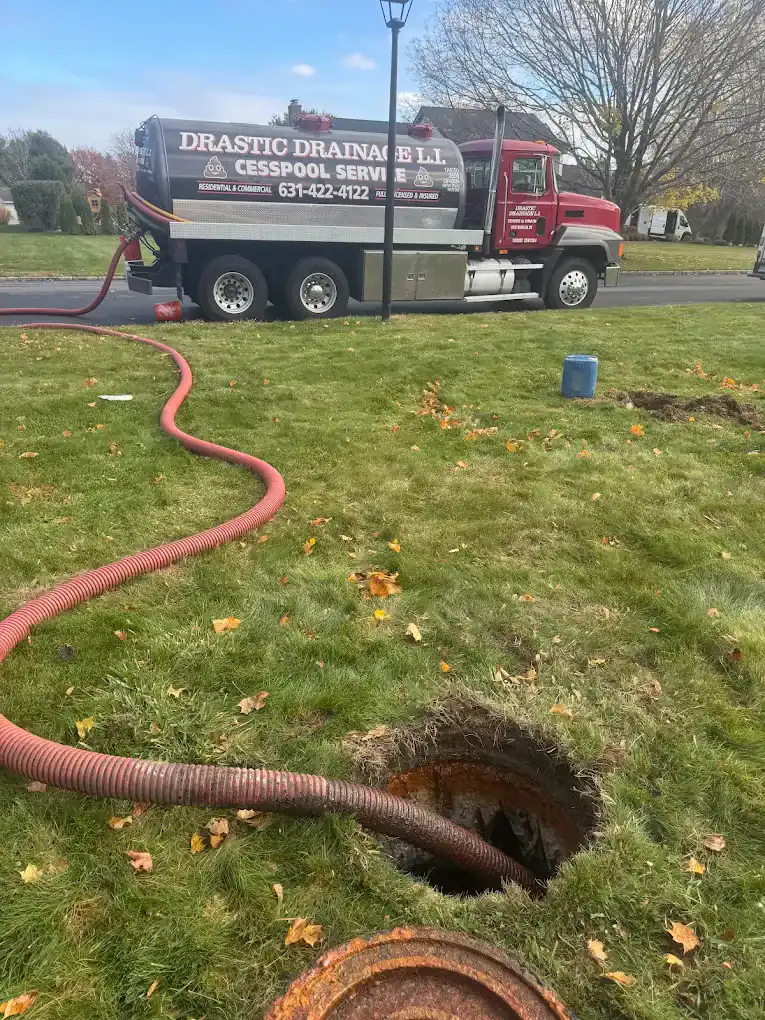
If you own a home in Patchogue, there’s a reasonable chance you don’t know exactly when your septic system was last pumped, or even where it’s located. That’s not unusual. A lot of homeowners on the South Shore inherited older systems with no records, no markers, and no maintenance history from the previous owners.
What has changed is the cost of getting it wrong. Suffolk County’s regulatory landscape shifted significantly in 2019, and what used to be a manageable repair bill can now turn into a five-figure replacement. Here’s what you can actually do to stretch the time between service calls, and why it matters more than it used to.
The number you’ll see most often is three to five years. That’s the EPA’s national average, and it’s a reasonable baseline, but it’s built around conditions that don’t describe Long Island.
Suffolk County’s South Shore sits on sandy, porous glacial soil, the water table near the Great South Bay runs higher than most inland areas, and a significant portion of the housing stock in Patchogue dates to the 1950s and ’60s. Those factors together mean many homeowners here need service closer to every one to three years, not five.
Household size matters just as much as location. Each person in your home contributes roughly 50 to 70 gallons of wastewater per day. A family of four is pushing 200 to 280 gallons into the system daily. A retired couple in the same house will accumulate sludge at a much slower rate.
The honest answer is that your pumping schedule is personal, and the only way to know where you actually stand is to have a professional check the sludge and scum levels in your tank directly.
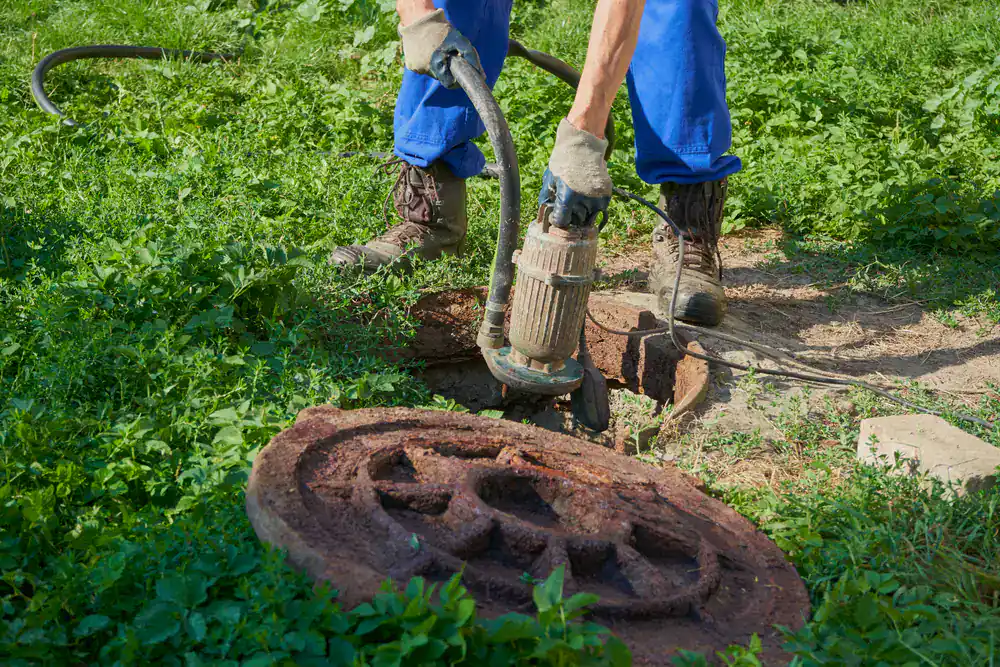
There are a handful of variables that compress your pumping interval faster than anything else, and most of them are things you have some control over.
Garbage disposals are one of the biggest culprits. Using one regularly adds roughly 50% more solid material to your septic tank than a household that doesn’t. That’s not a small difference. It can cut your pumping interval significantly over time. If you’re on a septic system in Patchogue, a garbage disposal is worth reconsidering, or at minimum using sparingly.
Running toilets are another major contributor that most homeowners overlook. A toilet that runs constantly can add 200 gallons of unnecessary water to your system every single day. That’s not wastewater in the traditional sense. It’s clean water that’s overwhelming the hydraulic capacity of your tank and pushing solids toward the drain field before they’ve been properly broken down. A $10 flapper replacement can do more for your system than any additive on the market.
Speaking of additives, the products you’ll find at the hardware store marketed as septic treatments or bacterial boosters are not a substitute for pumping. No additive can remove the physical accumulation of sludge and scum from your tank. Some can actually disrupt the natural bacterial balance that makes your system function in the first place. The EPA and the National Onsite Wastewater Recycling Association both say the same thing: additives don’t replace professional service.
Water conservation, on the other hand, genuinely helps. Reducing the volume of water entering your system by 20 to 30% can extend your pumping interval by months and potentially save you the cost of a full pump-out. Fixing leaks, spacing out laundry loads across the week, and installing low-flow fixtures are practical steps that make a measurable difference on Long Island’s South Shore, where the soil’s drainage capacity is already working harder than it would in other regions.
Yes, and it’s one of the reasons generic maintenance advice doesn’t translate well to Patchogue specifically. The proximity to the Great South Bay means the water table in this area is relatively high and fluctuates with the seasons. During heavy rain events or nor’easters, which aren’t uncommon on the South Shore, a saturated water table can reduce the effective depth of your drain field and limit its ability to treat effluent properly. In some cases, it pushes water back toward the surface, causing soggy patches in the yard or slow drains inside the house.
This is different from what a homeowner in, say, Hauppauge or Commack experiences. The further inland you go, the more forgiving the soil conditions tend to be. On the South Shore, from West Babylon through Patchogue and out toward Bellport, the combination of sandy soil and a higher, more variable water table means your system is working under more stress than the national averages account for.
What this means practically is that the condition of your tank (how full it is, whether the inlet and outlet baffles are intact, whether the drain field is showing any signs of strain) matters more here than in other parts of the county. A tank that’s at 80% capacity heading into a wet spring is a much bigger problem in Patchogue than it would be in a drier, higher-elevation community. Staying ahead of the pumping schedule isn’t just about avoiding a backup; it’s about giving your drain field the buffer it needs to handle the conditions that come with living near the bay.
Suffolk County now requires homeowners to have their septic systems professionally inspected every three years, with results submitted to the county. That’s not optional, and it’s not just paperwork. It’s a reflection of how seriously the county takes the connection between residential wastewater systems and the health of the aquifer and the bay.
Want live answers?
Connect with a Drastic Drainage expert for fast, friendly support.
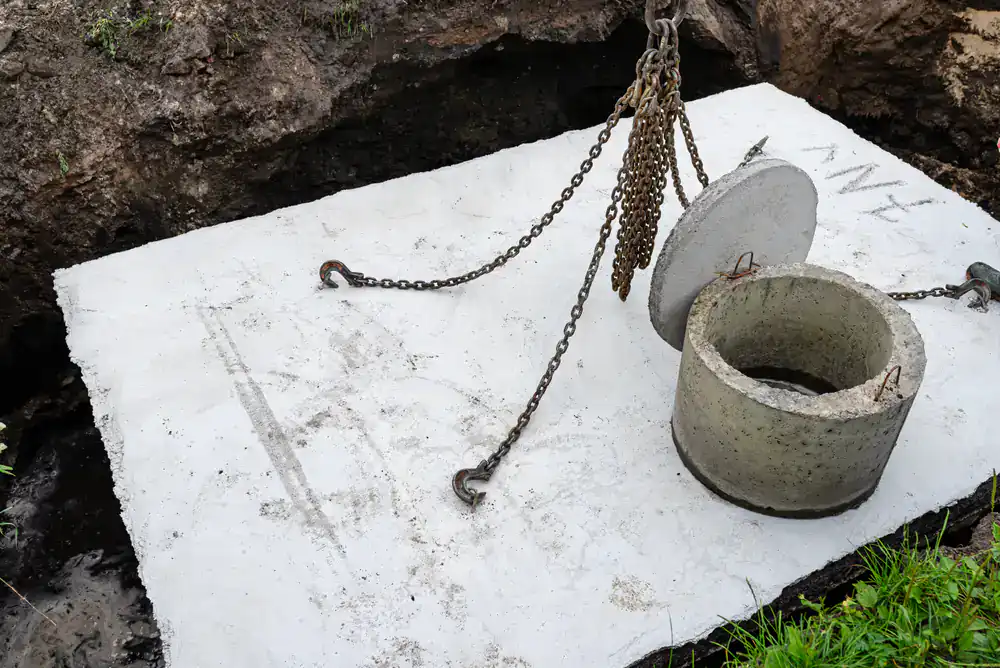
Before July 2019, if your cesspool failed, you could replace it with another cesspool. The cost was significant but manageable. That option no longer exists. As of July 1, 2019, Suffolk County prohibits replacing a cesspool with another cesspool. Any replacement must include at minimum a septic tank preceding the leaching structure, and for new construction since 2021, an Innovative and Alternative Onsite Wastewater Treatment System is required.
What that means in plain terms is that a system failure today carries a very different price tag than it did five years ago. A conventional system replacement now runs $15,000 to $20,000. An I/A OWTS replacement can reach $19,000 to $25,000. Routine septic system pumping, by comparison, costs $300 to $600. The math isn’t subtle.
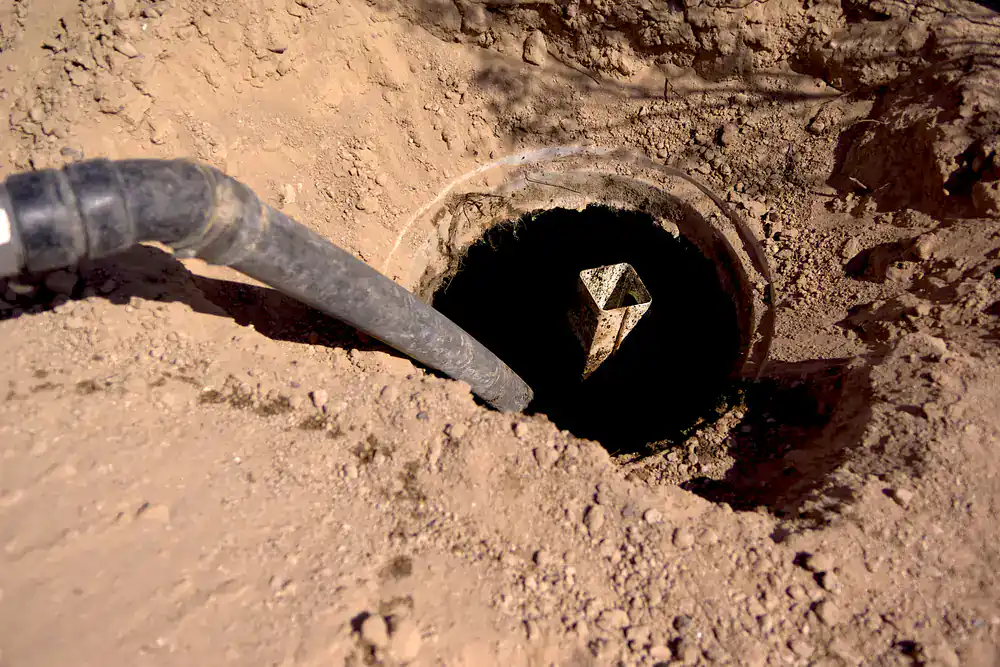
The visible signs of a failing system (slow drains, sewage odors, soggy patches in the yard, backups inside the house) tend to appear late. By the time you’re seeing those symptoms, the system is often already in serious trouble. Repair bills for neglected systems typically run $3,000 to $8,000. If the damage has progressed to the point where replacement is necessary, you’re now looking at the post-2019 cost structure described above.
There’s also the real estate dimension. Suffolk County’s housing market is active, and cesspool and septic system condition is a material factor in home sales. Buyers increasingly request inspections, and a system with a documented maintenance history is a straightforward selling point. A system that’s been ignored (or worse, one that fails during the transaction) is a liability that can kill a deal or force a significant price concession.
For homeowners in Patchogue specifically, the village has an active sewer expansion project that targets specific streets, Campbell Street, Argyle Lane, Smith Street, and Pine Boulevard among them. If your property sits on one of those streets, you may eventually transition to municipal sewer service. But until that connection is made, your existing system needs to be maintained and in working order. If your street isn’t in the expansion footprint, a functioning private system isn’t optional. It’s your only option, indefinitely.
The stakes for deferred maintenance are genuinely higher in Suffolk County now than they were before the regulatory change. A pump-out every couple of years is cheap insurance against an outcome that’s become significantly more expensive to correct.
The industry standard is to pump when the combined sludge layer at the bottom of the tank and the scum layer at the top together account for one-third of the tank’s total capacity. That measurement is taken with a tool called a sludge judge, a clear acrylic tube that a technician lowers into the tank to get an accurate read on both layers. It’s not something you can eyeball from the surface, and it’s not something a homeowner can check without opening the tank.
This is why the “pump every X years” framing, while useful as a rough guide, has real limits. Two households with identical tank sizes and identical family sizes can have very different sludge accumulation rates depending on water usage habits, garbage disposal use, the presence of a running toilet, and whether anyone in the house uses heavy amounts of antibacterial products or bleach. The one-third threshold is the actual trigger, the calendar is just an approximation of when you’re likely to get there.
For homeowners in older Patchogue neighborhoods, there’s an additional complication that comes up more often than people expect: not knowing where the system is. Many homes built in the 1950s and ’60s have cesspools or septic tanks that were installed without records, buried under decades of landscaping changes, with no visible access points. We encounter this regularly on the South Shore. It’s one of the reasons we use electronic locating equipment, finding a system with no documentation is a real skill, and it’s not something every company is set up to handle.
If you’re not sure what type of system you have, where it’s located, or when it was last serviced, that’s actually a reasonable starting point. Getting a professional inspection gives you a clear picture of what you’re working with, what condition it’s in, and what a realistic maintenance schedule looks like for your specific household. That information is worth having before something goes wrong, not after.
The tips in this post will genuinely extend the time between your septic system pumping visits, fixing running toilets, cutting back on garbage disposal use, spacing out water-heavy tasks, and staying current on inspections all make a measurable difference. But none of them replace the professional service itself, and in Suffolk County’s current regulatory environment, staying ahead of your system’s needs is more financially important than it’s ever been.
We’ve been working on Long Island’s septic and cesspool systems for over 30 years, and we’re based right here on the South Shore. We know the soil conditions, the water table, the Suffolk County Department of Health Services permit process, and the specific challenges that come with older homes in communities like Patchogue.
If you’re not sure where your system stands, or you just want a straight answer without the upsell, reach out to us at Drastic Drainage Long Island at (631) 422-4122. We’re available 24 hours a day, seven days a week, and we’ll tell you exactly what you need to know.
Ready to schedule? Our team handles septic tank pumping in Patchogue, and if your system is beyond saving we also do septic system installation. Related reading: Septic System Pumping Guide for Islip Homeowners and Septic System Installation in Brookhaven: Law & Costs.
Summary:

Share: