
If your Brookhaven home still has an aging cesspool, here's what the law now requires, what it actually costs, and how to make it manageable.
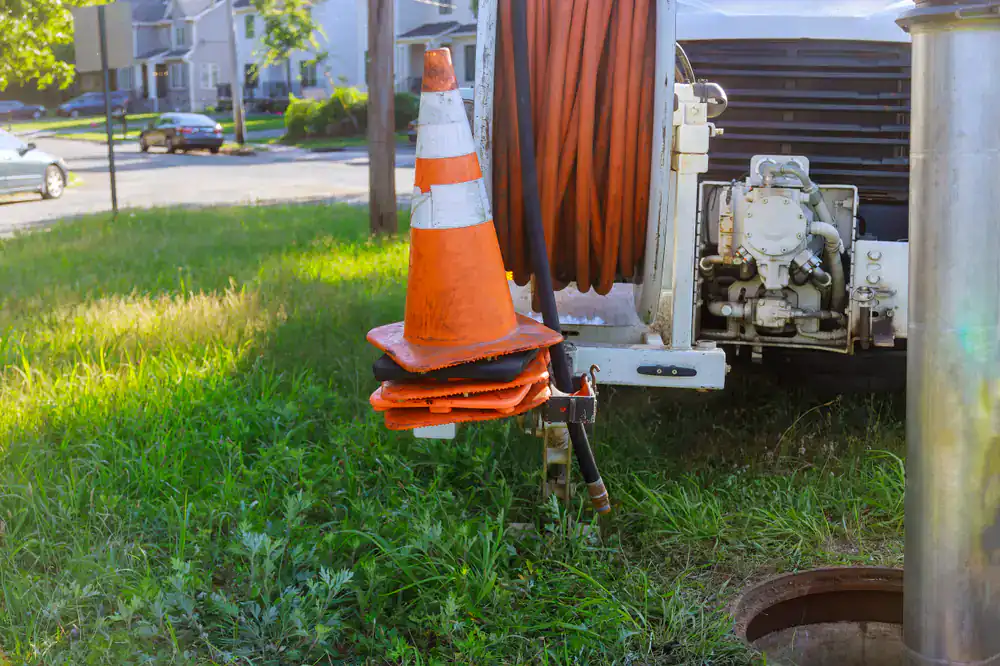
Most Brookhaven homeowners don’t go looking for a septic installer. Something happens first, a wet patch in the yard that wasn’t there before, a smell near the foundation, a buyer’s attorney flagging the system during a sale, or a pump-out technician who tells you the cesspool is done. That’s usually the moment the search starts.
If that’s where you are right now, this guide is for you. We’ll walk you through what Suffolk County law actually requires, what the installation process looks like from start to finish, and how grant funding through the county and state can make this far more manageable than the sticker price suggests.
Here’s the piece most homeowners miss: since July 1, 2019, you can no longer replace a failed cesspool with just another cesspool in Suffolk County. That option is gone. Any replacement system must include at minimum a septic tank preceding the leaching structure, and depending on your property and when any renovation work was permitted, you may be required to install a nitrogen-reducing I/A OWTS system instead.
This isn’t a technicality. It’s a real shift in what’s legally allowed, and it affects nearly every home in the Town of Brookhaven where the original system was installed before the mid-1970s, which is most of them.

The Town of Brookhaven is the largest town in New York State by land area, and a huge portion of its residential housing stock was built during the post-war boom of the late 1940s through the mid-1970s. Communities like Medford, Selden, Coram, Ridge, Middle Island, Patchogue, Bellport, Mastic, and Shirley were largely developed during that period, and cesspools were the standard wastewater solution at the time. Most systems in Brookhaven are now somewhere between 50 and 75 years old.
Those systems were never designed to last this long. And they were never designed to treat nitrogen. Suffolk County has approximately 360,000 cesspools and septic systems, and they account for roughly 70% of the nitrogen entering local waterways like Great South Bay. Nitrate levels in Suffolk County’s drinking water already exceed those of 95% of the country.
The Town of Brookhaven has its own local ordinance (Chapter 78A, the Nitrogen Protection Zone) that adds another regulatory layer on top of the county-wide SCDHS requirements, specifically targeting the nitrogen problem. The sandy glacial soils that dominate central Suffolk County and much of Brookhaven drain quickly, which sounds like a good thing until you realize it means nitrogen from a failing cesspool moves rapidly toward the water table. Researchers at Stony Brook University have specifically documented this pathway.
If your home was built before 1980 and you haven’t had a professional assessment in recent years, the honest answer is: you don’t fully know what’s happening underground. That’s not meant to alarm you. It’s just the reality of aging infrastructure that was never designed to be permanent.
This is one of the most common questions we hear, and the answer depends on a few factors specific to your property. A conventional gravity septic system, a tank followed by a leaching field, is the baseline replacement for most failed cesspools. These systems are compliant with the 2019 law, and for many properties in Brookhaven, they’re the right solution.
An I/A OWTS, or Innovative and Alternative Onsite Wastewater Treatment System, goes further. These systems use aerobic treatment or recirculating sand filters to reduce nitrogen by up to 70–90% before wastewater reaches the groundwater. They’re required for new construction and major renovations permitted after July 2021, and they’re strongly encouraged, and heavily subsidized, for existing homes throughout Suffolk County.
The two manufacturers approved by the SCDHS for residential use in Suffolk County are FujiClean and HydroAction. Both are proven systems, and both are eligible for the grant funding we’ll cover below.
Which system your property needs depends on your lot size, soil conditions, proximity to water, whether you’re in a designated Nitrogen Protection Zone, and the specifics of your current setup. That’s why a proper site assessment, before any pricing or scheduling, is the right first step. On older Brookhaven properties where records are incomplete or the original cesspool was never properly documented, understanding what’s actually in the ground matters more than it would on a newer build.
Want live answers?
Connect with a Drastic Drainage expert for fast, friendly support.
Cost is usually the first question, and the honest answer is that it varies. A conventional septic system installation typically runs between $5,000 and $12,000. An I/A OWTS nitrogen-reducing system averages around $25,000, and on more complex sites (high water tables, difficult soil conditions, tight setbacks) costs can climb higher.
Those numbers look different, though, once you factor in what’s available through the Suffolk County Septic Improvement Program and the New York State Septic System Replacement Program. For many Brookhaven homeowners, that funding changes the math significantly.
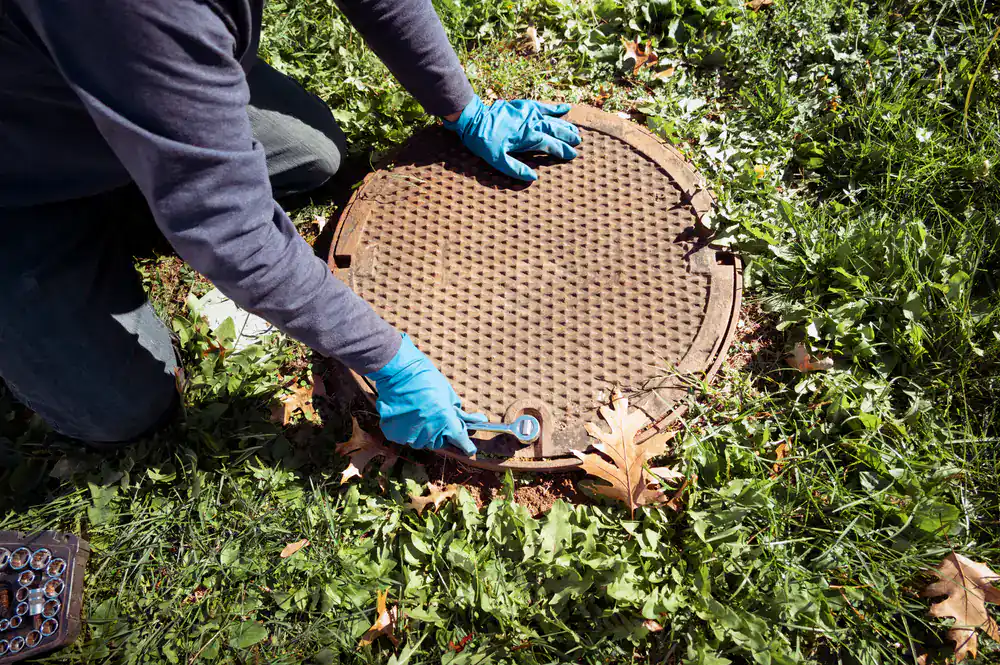
Combined state and county grant funding of up to $30,000 is available for qualifying homeowners who install an I/A OWTS system in Suffolk County. In some Brookhaven-area zones, that figure can reach $45,000 when all available funding sources are stacked.
The Suffolk County Septic Improvement Program offers a base grant of $10,000, with an additional $5,000 available for low-to-moderate income applicants and another $5,000 if your property requires a pressurized shallow drainfield. The New York State Septic System Replacement Program adds up to $10,000 on top of that, covering 50% of eligible costs. Some towns offer additional rebates beyond the state and county programs.
For many homeowners, this means the out-of-pocket cost of an I/A OWTS installation (which averages around $25,000) can be reduced dramatically, or in some cases covered almost entirely. This isn’t marketing. It’s a real program that has already helped over 1,000 Suffolk County households upgrade their systems.
The application process requires documentation and professional guidance. We walk homeowners through the eligibility requirements and the application steps as part of our process, because helping you access funding you’ve already paid into through your taxes isn’t something we treat as optional.
A lot of homeowners picture a week of torn-up yard and a crew of strangers making decisions they don’t understand. The reality is more straightforward than that, but only when the contractor knows what they’re doing from the start.
It begins with a site assessment. Before any work is priced or scheduled, we evaluate the property, the location of the existing system, soil conditions, setbacks from the house and property lines, and what the current setup actually looks like underground. On older Brookhaven properties where the original cesspool was installed without detailed records, this step isn’t a formality. It’s how we make sure the new system is designed correctly for your specific lot.
From there, we handle the permit submission to the Suffolk County Department of Health Services. SCDHS permits are required for all cesspool replacements and new septic installations in Suffolk County. This isn’t optional, and unpermitted work creates serious legal and financial liability when the property eventually sells. We manage the filing requirements on your behalf and keep you informed of the timeline.
Once permits are approved, a conventional septic system typically installs in one to two days. I/A OWTS systems may take slightly longer due to the additional components involved. The goal is always to minimize disruption to your yard and get the work done cleanly.
At the end of the job, you receive complete installation records and SCDHS documentation, everything you need for your own records, for a future property sale, and for grant reimbursement if applicable. That paperwork matters more than most homeowners realize until the moment they’re sitting across from a buyer’s attorney.
The most important thing to look for in a septic installer in Suffolk County is someone who is licensed by the SCDHS, knows the local permit process inside and out, and will give you a straight answer about what your property actually needs, not just what’s easiest to sell you.
Brookhaven has specific soil conditions, a specific regulatory framework, and a housing stock that presents challenges a contractor unfamiliar with the area won’t anticipate. Thirty years of doing this work in Suffolk County is not the same as thirty years of doing this work somewhere else.
If you’re trying to figure out where your system stands, what it would take to bring it into compliance, or whether you qualify for grant funding that could cover most of the cost, we’re happy to talk it through. Drastic Drainage Long Island has been handling septic system installation across Suffolk County for over 30 years, give us a call and let’s start with a conversation.
Replacing a failed cesspool instead? See our cesspool installation service and the Smithtown cesspool installation guide. Building commercially? Read Commercial Septic Installation in Riverhead.
Summary:

Article details:
Share: