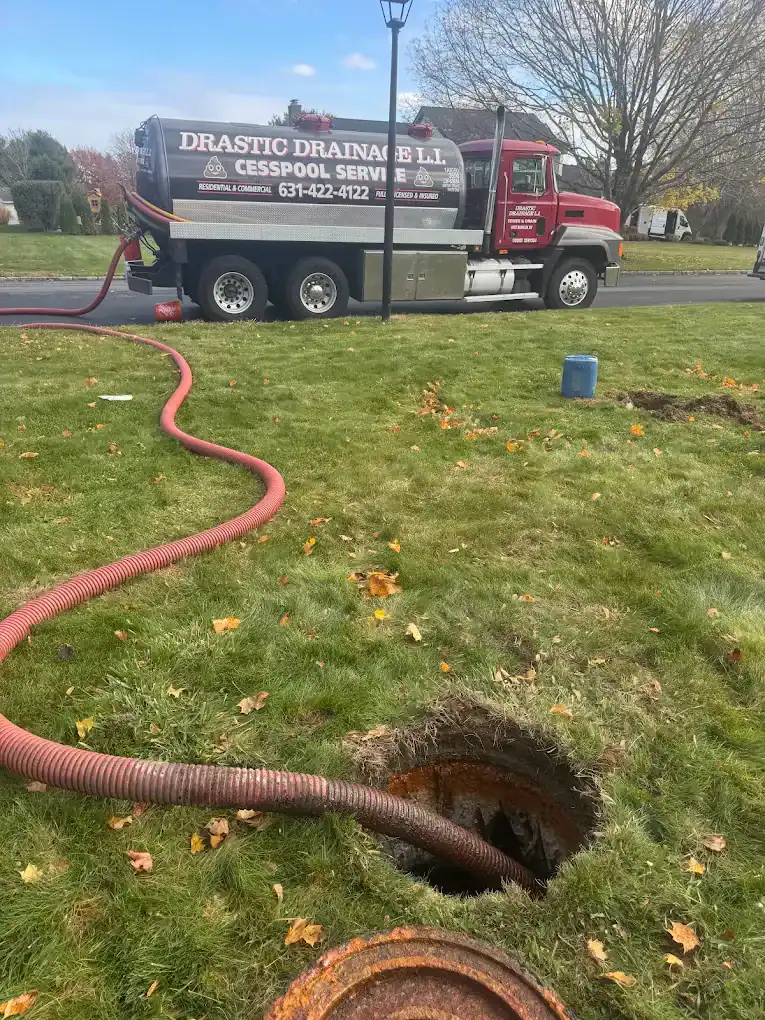
Septic pumping in Suffolk County isn't as simple as scheduling a truck. Here's what Islip homeowners actually need to know before something goes wrong.
Most people don’t think about their septic system until there’s a smell, a slow drain, or a wet patch in the yard that wasn’t there yesterday. By that point, you’re not planning — you’re reacting. And in Suffolk County, reacting to a septic problem in 2024 looks very different than it did even five years ago.
If you own a home in Islip, East Islip, West Islip, Bay Shore, Sayville, or anywhere else in the Town of Islip, there’s a good chance your system is older than you think — and subject to county rules that most homeowners have never heard of. We’ve been working on these systems across Suffolk County for over 30 years, and we’ve seen what happens when homeowners don’t understand what’s at stake. This guide covers what septic pumping actually involves, when you need it, and what’s at risk if you skip it.
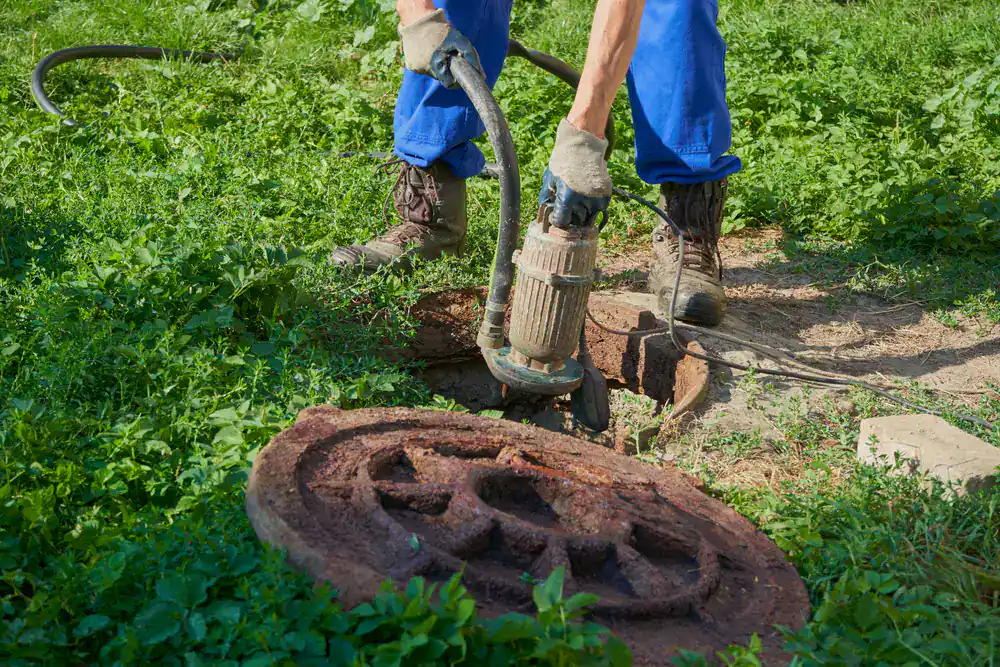
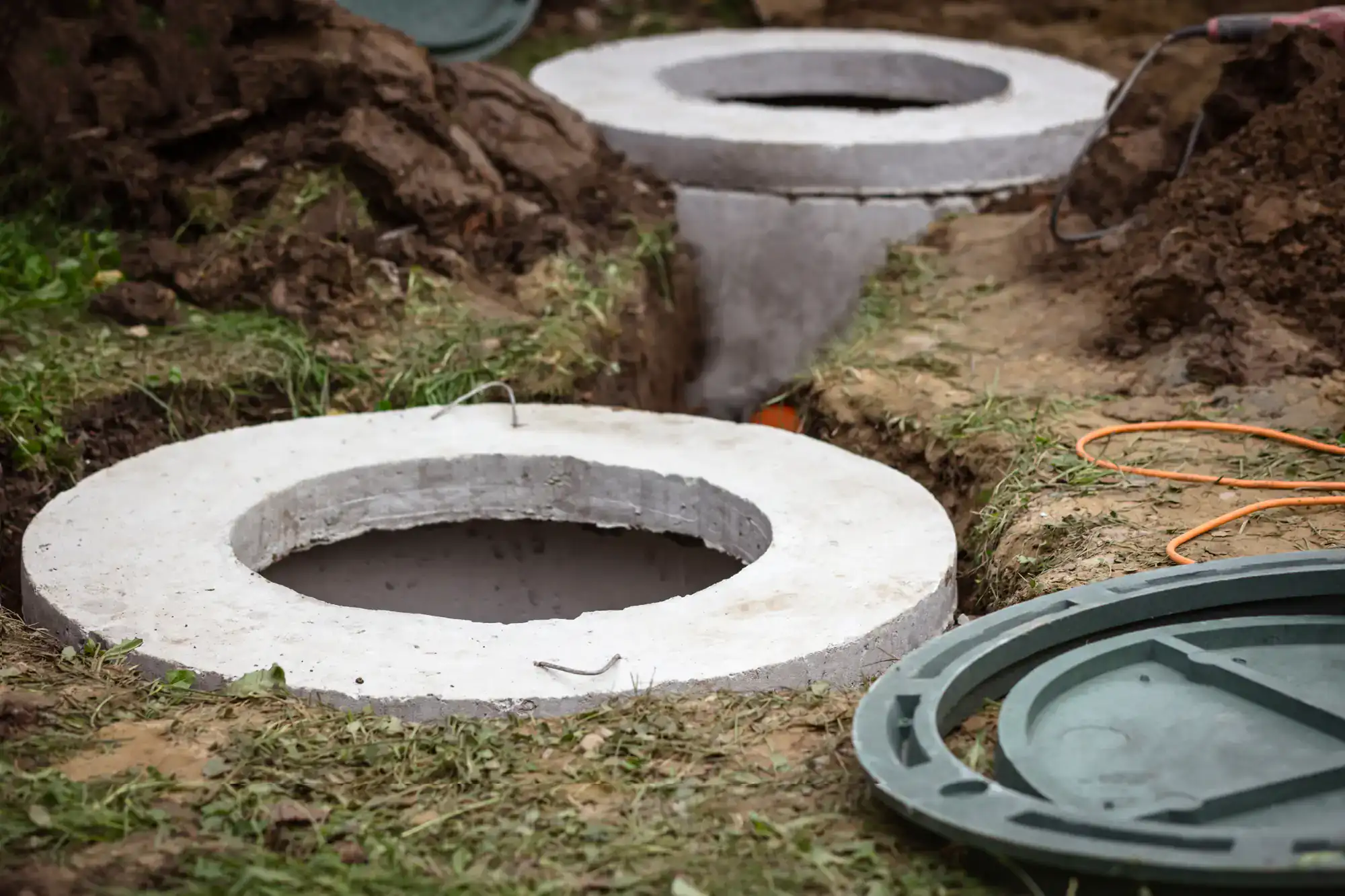
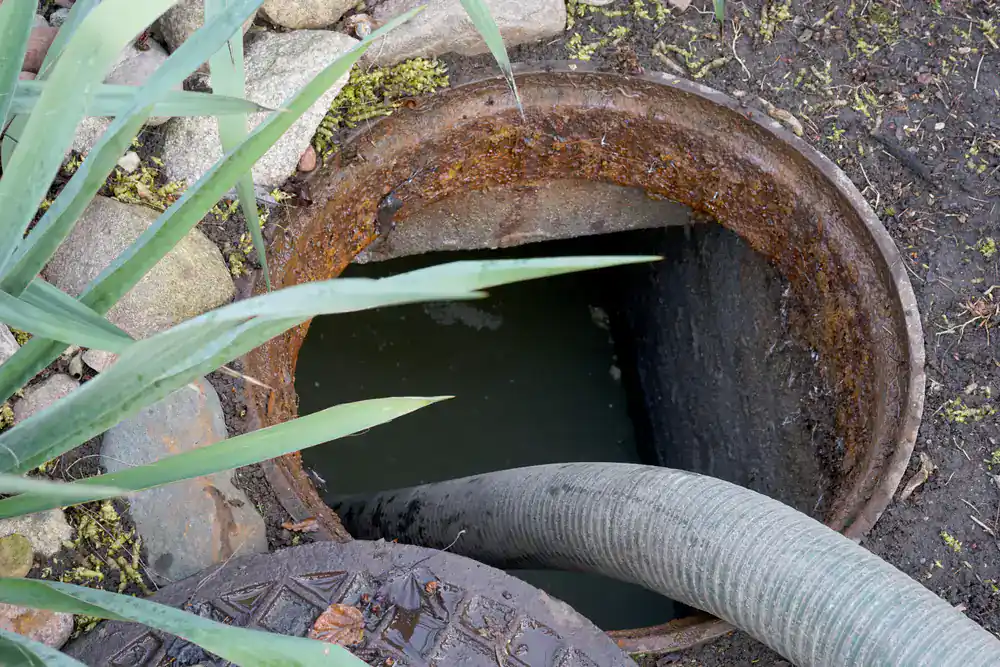
Pumping a septic tank isn’t complicated, but it’s easy to underestimate what a good service visit actually covers. Our technicians locate the tank, expose the access lid, and use a vacuum truck to remove the accumulated sludge and scum that’s built up since the last service. That part takes roughly 30 to 60 minutes for a standard residential system.
What separates a thorough job from a rushed one is what happens around that process. We check the sludge and scum levels before pumping, inspect the tank’s baffles and inlet and outlet pipes, and give you an honest read on the condition of what we’re looking at. You should walk away knowing what was found — not just that the truck came and went.
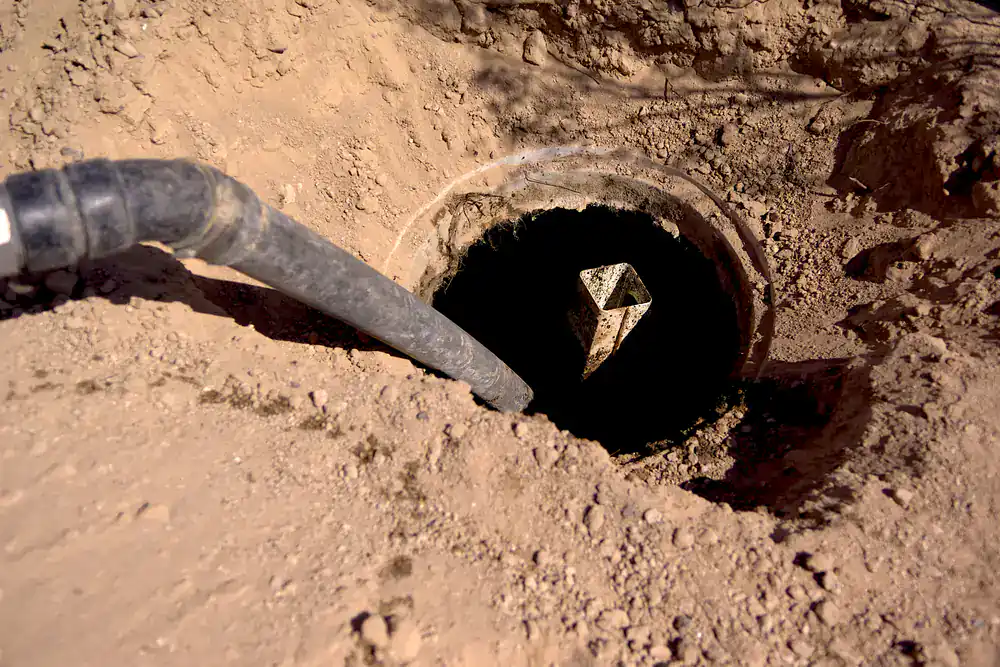
This comes up more often than you’d expect, especially in the older neighborhoods around Islip and Bay Shore where homes were built in the 1950s and 1960s. Cesspools and septic tanks from that era were often installed before formal county records were maintained, and after decades of landscaping, resodding, and general yard work, the access lid can end up buried under a foot of soil with no obvious sign of where to look.
If you’ve inherited a property or bought an older home without complete records from the previous owner, not knowing where the system is shouldn’t stop you from calling. We use electronic locating equipment specifically for situations like this. It’s a real and common part of the job across the exact neighborhoods in Suffolk County where this problem shows up most.
The bigger mistake is waiting because you’re not sure where to start. A system that hasn’t been located or serviced in years is one that’s running on borrowed time. And in Suffolk County, when a system fails, the regulatory response is no longer as simple as putting in a new one — which brings us to something most Islip homeowners genuinely don’t know.
Since July 2019, Suffolk County banned in-kind cesspool replacement. That means if your cesspool fails today, you cannot simply replace it with another cesspool. At minimum, you’re looking at a full conventional septic system installation. In many cases, particularly near the South Shore waterfront communities, the county may require an Innovative/Alternative Onsite Wastewater Treatment System — commonly called an I/A OWTS — which can run between $19,000 and $25,000. Regular pumping at $300 to $600 every two to three years starts to look very different when you understand what the alternative actually costs.
Not all Suffolk County properties face the same conditions underground. The Town of Islip sits on the South Shore, directly north of the Great South Bay, and the water table here is notably close to the surface — especially in the residential core of Islip, East Islip, and West Islip, which carry FEMA Zone AE flood designations. That’s not a bureaucratic detail. It means there’s less soil depth between your leaching field and the groundwater table, which makes system performance more sensitive and failure more consequential.
During heavy rain or after a significant storm surge, the water table in these areas can rise quickly, putting additional pressure on older systems that weren’t designed for those conditions. A system that’s already running at high capacity — because it hasn’t been pumped in several years — is far more vulnerable when the ground is saturated. We’ve seen this pattern repeatedly in the Islip area, and it’s one of the reasons we’re specific about South Shore homes needing more consistent attention than properties further inland.
There’s also the broader environmental picture. Long Island’s entire drinking water supply comes from a sole-source aquifer — there’s no backup reservoir, no river intake, no alternative. Every drop of drinking water for more than 2.8 million people in Nassau and Suffolk counties comes from groundwater. Nitrogen from aging cesspools and septic systems has pushed Suffolk County’s nitrate levels higher than 95% of the country. The Great South Bay has been listed as an impaired water body since 2008, largely because of nitrogen discharge from unsewered housing in communities like the ones that make up the Town of Islip. Keeping your system maintained is one of the few things a homeowner can directly control in that equation.
Want live answers?
Connect with a Drastic Drainage expert for fast, friendly support.
The EPA recommends inspecting a septic system every one to three years and pumping every three to five years. That’s a reasonable baseline, but the right answer for your home depends on tank size, household size, and how the system is used. A 1,000-gallon tank serving a family of four will fill up faster than the same tank in a two-person household.
For older homes in the Islip area — particularly those with cesspools rather than modern septic tanks — the calculus is a little different. Systems that are 40 or 50 years old are working harder, and the margin for error is smaller. When in doubt, a sludge level check during a service visit will tell you exactly where things stand.
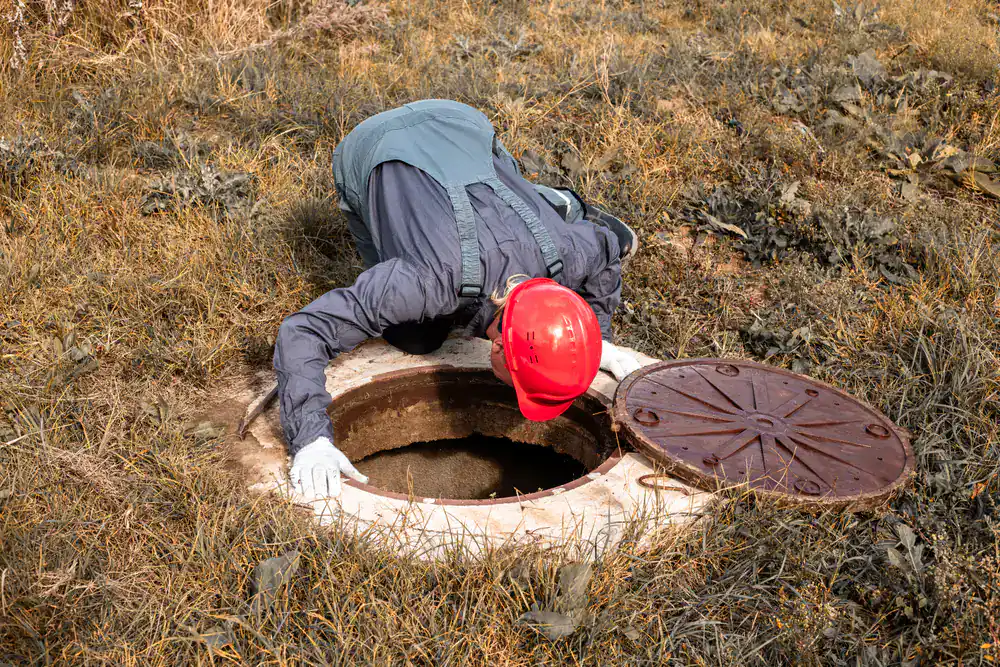
Slow drains throughout the house — not just one fixture, but multiple — often point to a system that’s backing up rather than a single clogged pipe. Gurgling sounds in the pipes after flushing, a persistent odor near the drain field or around the yard, or a patch of unusually green and soggy grass directly over where the system sits are all signals that something is wrong.
Less obvious is the absence of any symptoms at all. A tank can be operating at 80 or 90 percent capacity without giving you any visible warning. By the time you notice something, the system is often already in distress. That’s why waiting for a problem to appear before scheduling service is a gamble — and one with a potentially expensive outcome, given what replacement now requires under Suffolk County’s current regulations.
If you’ve recently purchased an older home in Bay Shore, Oakdale, Great River, or Bohemia and have no maintenance records from the previous owner, that’s reason enough to schedule a service visit. We can tell you what’s there, what condition it’s in, and what — if anything — needs to happen next. That’s a much better position to be in than discovering the problem on a Saturday morning when the toilets stop flushing.
One more thing worth knowing: cesspool certifications are required for property sales in Suffolk County. If you’re planning to sell your home, this isn’t something you can defer. Getting ahead of it — before a buyer’s inspector flags it — keeps you in control of the timeline and the cost.
Routine pumping does not require a permit. You can schedule a service visit, have the tank pumped, and go about your day without any involvement from the Suffolk County Department of Health Services. That’s true whether you have a cesspool or a conventional septic system.
Where permits come in is replacement, repair, or any significant modification to the system. If we find during a pumping visit that the tank is damaged, the baffles are deteriorated, or the leaching field is compromised, any work beyond basic pumping will require SCDHS involvement. Permit applications through the county typically cost between $200 and $500 and take approximately two to four weeks to process. That’s not a reason to avoid the conversation — it’s just useful to know so you’re not caught off guard by the timeline.
For homeowners who may be facing a larger upgrade — particularly those whose systems are old enough to fall under the county’s new replacement standards — there’s financial help available. The Suffolk County Septic Improvement Program, known as SHIP, offers low-interest financing, grants, and rebates for homeowners upgrading to nitrogen-reducing I/A OWTS systems. Combined county and state funding can reach up to $30,000 for qualifying properties. If you’re in that situation, it’s worth understanding what you’re eligible for before you commit to anything.
Suffolk County also requires that all cesspool and septic work be performed by a contractor holding a Liquid Waste License issued by Suffolk County Consumer Affairs. Licensed contractors are required to report all pumping and replacement activity to the SCDHS — which means there’s a documented compliance record attached to your property. Unlicensed operators don’t report, which leaves you without documentation and potentially exposed if questions come up during a future sale or permit application. Our license number is LW-63684, and we’re fully insured and bonded.
Septic maintenance isn’t complicated, but it does require knowing what you’re working with — and in the Town of Islip, that means understanding the age of your system, the South Shore conditions it’s operating in, and the regulatory environment that’s changed significantly since 2019. Routine pumping every two to three years is still the most straightforward way to protect a system that could otherwise cost tens of thousands of dollars to replace.
If you’re not sure when your system was last serviced, don’t know where the tank is, or just want a straight answer about what’s going on underground, that’s exactly the kind of call we’re set up to handle. Drastic Drainage Long Island has been working on systems across the Islip area and the rest of Suffolk County for over 30 years. Give us a call at (631) 422-4122 and an actual person will pick up.
Related reading: Septic System Pumping Tips for Patchogue Homeowners and what to expect during routine cesspool pumping. Not sure where your tank is? A cesspool inspection can locate and assess it.
Summary:
Article details:
Share: