Useful Links
Other Services we provide in Halesite
No and this catches a lot of homeowners off guard. As of July 1, 2019, Suffolk County banned cesspool-only replacements. If your existing system fails or needs to be replaced, the new installation must include at minimum a septic tank preceding the leaching structure. You can no longer simply swap one cesspool for another, regardless of when the original was installed.
For properties in Halesite that sit close to Huntington Harbor, the requirements can go even further. The Suffolk County Department of Health Services applies stricter review to waterfront-adjacent installations, and depending on your property’s setback distances and soil conditions, you may be required to install an I/A OWTS nitrogen-reducing system rather than a conventional septic setup. We assess your specific situation during the site evaluation and tell you exactly what applies to your property before any work begins.
The honest answer is that it depends on what your property actually needs. A standard residential cesspool installation is a different scope than a full I/A OWTS system, which is what some Halesite properties near the harbor may be required to install. The permit costs alone typically run $200 to $500, and processing takes two to four weeks through SCDHS.
What’s worth knowing is that if your property qualifies for an I/A OWTS installation, you may be eligible for combined State and County grants of up to $45,000 through the Suffolk County Septic Improvement Program. That grant is paid directly to the certified installer after final inspection you pay only the balance. Funding is first-come, first-served, so it’s worth looking into sooner rather than later. We provide free written estimates, so you’ll know the full picture before committing to anything.
The installation itself typically takes one to five days for a residential property, depending on system complexity, soil conditions, and site access. Most straightforward jobs come in on the shorter end of that range. What takes longer is the permit process SCDHS permit applications for Suffolk County installations generally take two to four weeks to process, and that has to happen before any excavation begins.
In Halesite, there’s an additional factor worth accounting for. The hamlet receives about 47 inches of rain per year, which is 10 inches above the national average. Saturated soil slows excavation and can affect scheduling, particularly in spring and fall when rainfall is heaviest. Coastal storms off Huntington Harbor can also create short-notice delays. Planning ahead rather than waiting until the system is actively failing gives you the most control over timing and lets you avoid the compressed schedule that comes with an emergency installation.
Yes, without exception. All cesspool installations and replacements in Suffolk County require a permit from the Suffolk County Department of Health Services. The application has to include engineered plans, soil testing results, and documentation of setback distances from wells, property lines, and nearby water bodies. For Halesite properties near Huntington Harbor, those setback requirements get particular scrutiny.
Skipping the permit process is not a shortcut it’s a liability. Unpermitted work can void your certificate of occupancy, create problems when you go to sell the property, and leave you personally responsible for any violations. A licensed contractor pulls the permits as part of the job. We handle the permit application and coordinate the final SCDHS inspection, so the installation is compliant from start to finish and you have documentation to show for it.
This is more common in Halesite than most people expect. Homes built in the 1940s, 1950s, and 1960s often have no records of where the cesspool was installed no permit history, no service records, no map. The original homeowners knew, and that knowledge didn’t make it into any paperwork that survived.
We specialize in locating hard-to-find cesspools, which is a real skill in a hamlet where so many homes predate modern documentation practices. Locating the system before any excavation begins saves time and money you’re not digging up half the yard on a guess. Once the system is found and assessed, we can give you an accurate picture of what it’s going to take to replace it. If the system has already failed or is structurally compromised which is a real risk in Halesite’s sandy soil, which doesn’t support aging concrete rings well that assessment also tells you how urgently the replacement needs to happen.
It can, and in a market like Halesite it’s a meaningful concern. With median home values approaching $900,000 and active listings averaging well over a million dollars, the condition of your cesspool system is not a minor detail. Home sales in Halesite move quickly a median of 18 days on market and a failing or non-compliant cesspool discovered during a buyer’s inspection can stall a transaction, reduce the sale price, or kill the deal entirely.
SCDHS inspection requirements can be triggered at the point of sale, which means a system that’s been limping along for years suddenly needs to be addressed on someone else’s timeline. Replacing the system proactively on your schedule, with time to get proper permits and compare quotes puts you in a much stronger position than scrambling to fix it during a sale. It also gives you documentation of a compliant, properly installed system, which is a concrete selling point in a community where buyers and their inspectors are paying close attention.
Hear from Our Customers
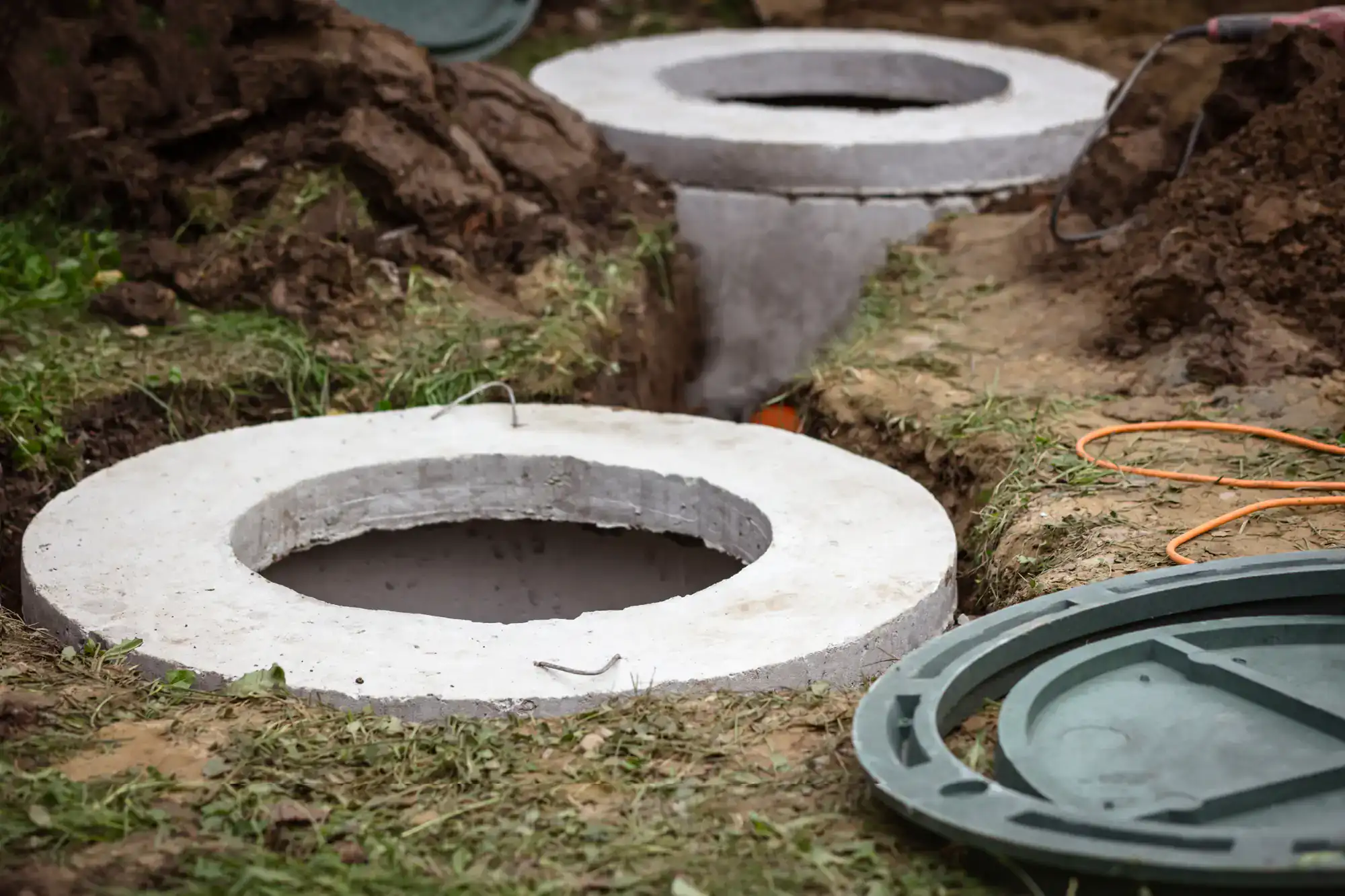
When a cesspool installation is done right, you stop thinking about what’s underground. No slow drains, no wet spots in the yard, no smell coming up through the floor. You get a system that handles what your household puts through it every single day and one that’s built to last the next 30 to 40 years, not patch through the next few seasons.
For Halesite specifically, that matters more than most people realize. Your home sits on sandy soil that drains quickly but doesn’t hold structure well. That combination accelerates wear on aging concrete rings and makes a failing system fail faster than it would in denser, more stable soil. A properly sized and installed system accounts for what your specific ground can actually support.
Then there’s Huntington Harbor. Halesite sits directly on the water, and properties close to the harbor face stricter SCDHS requirements than inland Suffolk County towns. Getting the installation right the first time permitted, inspected, and built to the standards that apply to your property means you’re protected from compliance issues down the road, whether you’re staying put or eventually selling.
We’re Drastic Drainage Long Island, a family-owned cesspool and drainage company based in West Babylon, NY, licensed (Lic# LW-63684), insured, and bonded. Our team has been working across Nassau and Suffolk Counties for over 30 years long enough to know how Long Island’s soil, regulations, and housing stock vary from one town to the next.
Huntington is a named service area for us, and Halesite sits at the northern end of New York Avenue the same Route 110 corridor that connects West Babylon directly to this community. We’re not stretching our territory to reach you. We already work here.
What that experience actually means for you is a crew that understands what it takes to install a system correctly in this part of Suffolk County the permit process through SCDHS, the soil conditions near Huntington Harbor, and the kind of older infrastructure that shows up in homes along East Shore Road and throughout Halesite. We handle the whole job, from excavation to final setup, and we’ll give you a written estimate before any of it starts.
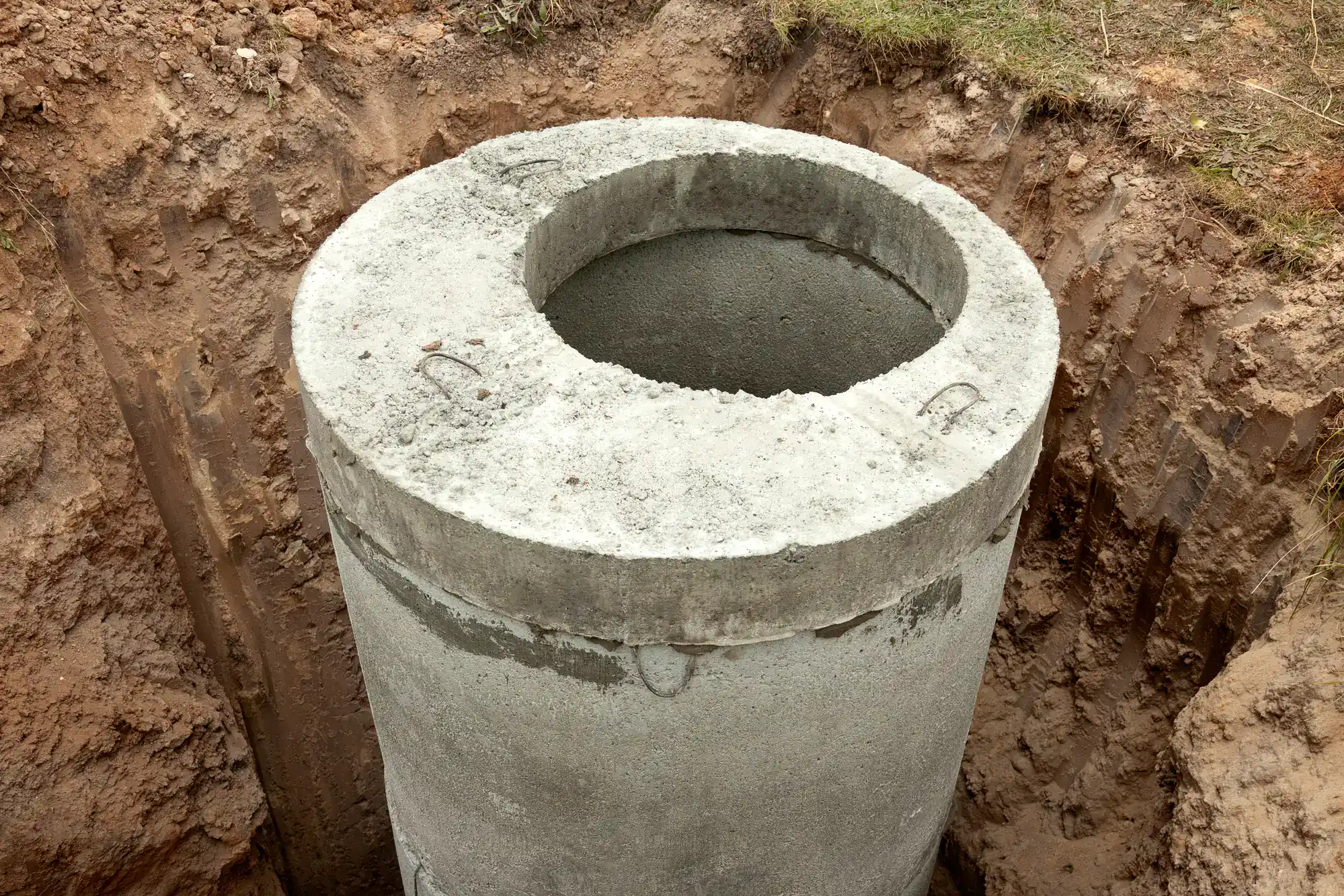
It starts with a site evaluation. Before anything gets quoted or scheduled, our crew assesses your property where the existing system is located, what condition it’s in, and what the soil and setback requirements mean for the new installation. In Halesite, that evaluation also accounts for proximity to Huntington Harbor, since waterfront-adjacent properties can trigger stricter SCDHS review requirements that affect system type and placement.
From there, we handle the permit application. This is not something you need to manage on your own. The permit process through Suffolk County typically takes two to four weeks, and the application has to include engineered plans, soil testing results, and documentation of setback distances from wells, property lines, and water.
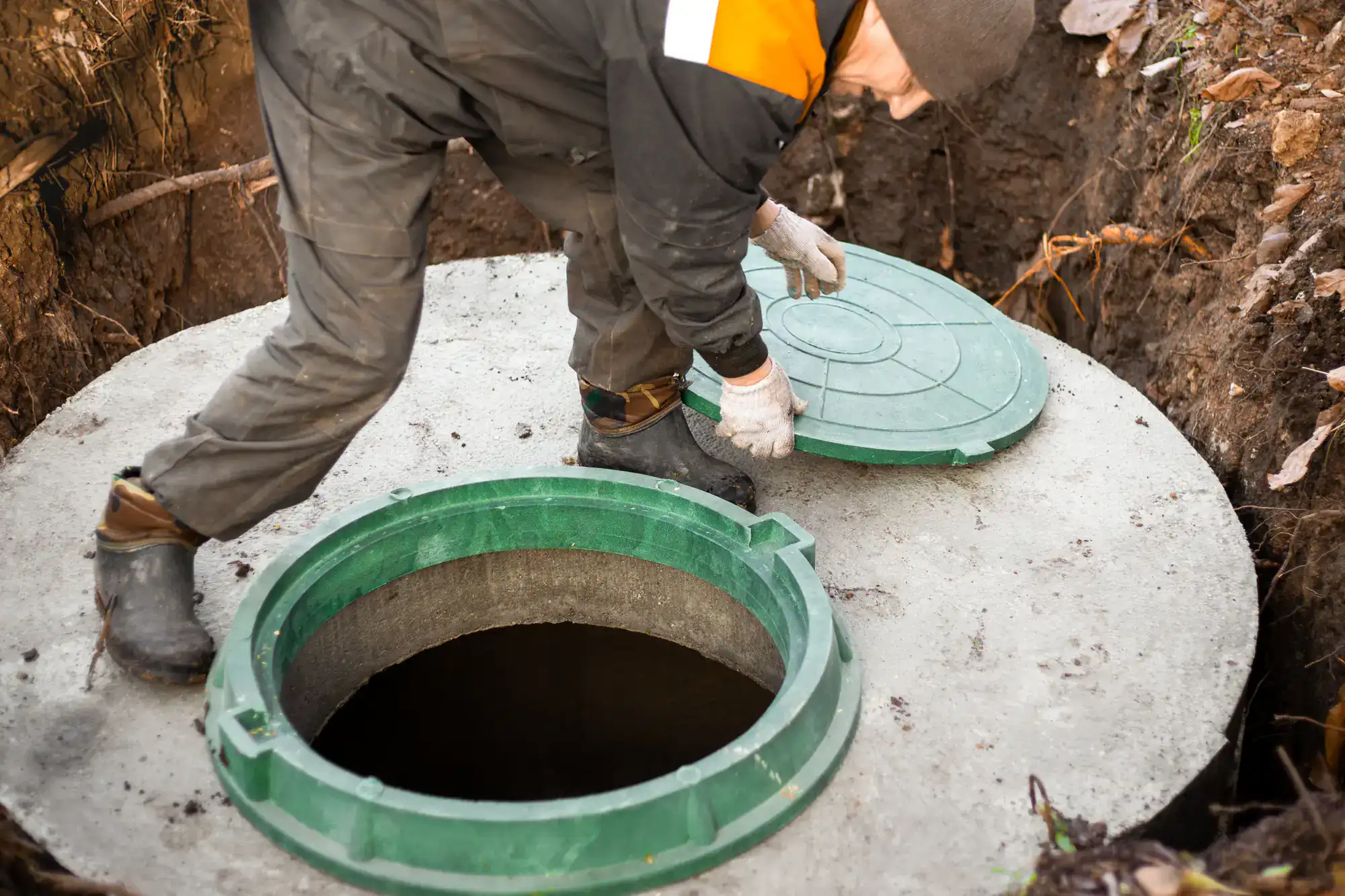
Once permits are approved, the installation itself moves quickly most residential jobs take one to five days depending on system complexity and site conditions. The work includes decommissioning the old system, full excavation, installation of the new tank and leaching components, connection to your home’s existing sewer line, backfill, and site restoration. When it’s done, the system goes through a final SCDHS inspection before it goes live. You’re not signing off on anything until the county has signed off on it first.

Ready to get started?
Since July 2019, Suffolk County has banned cesspool-only replacements. If your system needs to come out, the replacement has to include at minimum a septic tank preceding the leaching structure you cannot simply swap one cesspool for another. For properties near Huntington Harbor, the requirements can go further, with SCDHS pushing toward Innovative and Alternative Onsite Wastewater Treatment systems, known as I/A OWTS, which reduce nitrogen output by 70 to 90 percent compared to conventional cesspools. If your property falls into that category, eligible Suffolk County homeowners can access combined State and County grants of up to $45,000 for qualifying I/A OWTS installations.
We install both conventional septic systems and full cesspool replacement setups, including leaching pool and drywell installation, cesspool ring replacement, and complete system overhauls from the ground up. We work on residential and commercial properties, and we handle the permit coordination so you’re not navigating SCDHS paperwork on your own.
One thing worth mentioning for older Halesite homes many properties built in the 1940s through 1970s have no records of where the cesspool is located. We specialize in locating hard-to-find systems, which means the job doesn’t stall out before it even starts. Every installation comes with a free written estimate upfront, so you know exactly what you’re looking at before any equipment arrives.