Useful Links
Other Services we provide in Halesite
The general guidance for Long Island cesspools is every one to three years for most residential properties, but that range assumes average conditions. Halesite doesn’t have average conditions. The hamlet sits at 26 feet of elevation on Huntington Harbor, receives about 47 inches of rain annually, and has a water table that responds directly to tidal and storm activity. When the water table rises which happens regularly here, especially in spring the soil around your cesspool’s leach field becomes saturated, and the system loses its ability to drain efficiently. That accelerates fill rates.
If your home was built before 1973, you likely have a single-chamber cesspool rather than a modern septic system. Single-chamber systems fill faster by design. Add in Halesite’s above-average rainfall and harbor proximity, and the realistic service interval for many properties here is closer to every one to two years, not three to five. If you’ve recently purchased an older home and don’t have a service history, treat the starting point as “unknown” and schedule an inspection before assuming you’re within a normal window.
The signs that tend to show up first are the ones inside the house: drains that are slower than usual, toilets that gurgle after flushing, or a faint sulfur or sewage smell coming from the drains. These are early indicators that the system is under pressure. If you’re noticing these things, the system is already telling you something and waiting to see if it gets worse is how a manageable pump-out turns into an emergency call.
Outside the house, look for soft or wet ground over the area where the cesspool is located, or an unusual green patch of grass that stays lush even in dry weather. In Halesite, where heavy rain events are common and the water table is already elevated near the harbor, these outdoor signs can appear quickly after a storm. If you’re smelling anything outside near the yard, that’s past the early warning stage. At that point, the system needs attention immediately, not on a convenient schedule.
This is one of the most common situations in Halesite, and it’s more complicated than it sounds. Homes on East Shore Road and the surrounding historic streets date back to the 1860s and 1870s. Even homes built in the 1930s and 1940s were constructed before cesspool documentation was a standard requirement. Records get lost, covers get buried under decades of landscaping, and previous owners simply may not have known where the system was located because no one ever told them.
The practical answer is to call a cesspool company that specifically handles hard-to-find systems. We list this as a documented specialty not every company has the experience or equipment to locate a system that has no visible cover and no paper trail. Once the system is located, it should be pumped and inspected so you have a baseline understanding of its current condition and capacity. From that point forward, you have a starting record which is exactly what you’ll need if you ever sell the property.
They’re related but not identical, and the difference matters depending on your situation. Pumping refers to the removal of liquid waste and the floating solids layer from the system. It’s the standard service most homeowners schedule on a routine basis. Cleaning goes a step further it involves removing the harder, compacted sludge that accumulates at the bottom of the system over time, along with a more thorough inspection of the cesspool’s interior walls, baffles, and overall structural condition.
For a home that’s been serviced regularly and is on a consistent schedule, pumping is usually what’s needed. For a home where the service history is unknown which describes a significant number of Halesite properties given the age of the housing stock cleaning is often the more appropriate first service. It gives you a clearer picture of what you’re working with. Suffolk County requires that both services be performed by contractors holding a valid Suffolk County Consumer Affairs license and LILWA certification, so whoever you call should be able to confirm those credentials before the truck arrives.
Yes, and this is not a distant or theoretical concern. Cesspools and septic systems account for approximately 70% of the nitrogen that enters Long Island’s coastal waterways. A conventional cesspool releases roughly 40 pounds of nitrogen per household per year into the surrounding groundwater even when the system is functioning correctly and not backed up. That nitrogen moves through the soil and eventually reaches the nearest body of water. In Halesite, that body of water is Huntington Harbor, visible from New York Avenue and Halesite Park.
Long Island’s drinking water comes entirely from groundwater there is no backup source. The sole-source aquifer that supplies every household on the island is the same groundwater system that receives nitrogen from aging cesspools. Keeping your system properly maintained and pumped on schedule doesn’t eliminate nitrogen output entirely, but it significantly reduces the load. It’s also the most immediate, practical step a Halesite homeowner can take toward protecting the harbor your property value depends on. The 2024 Suffolk Water Quality Restoration Act expanded both funding and enforcement in this area, so the regulatory pressure is only increasing.
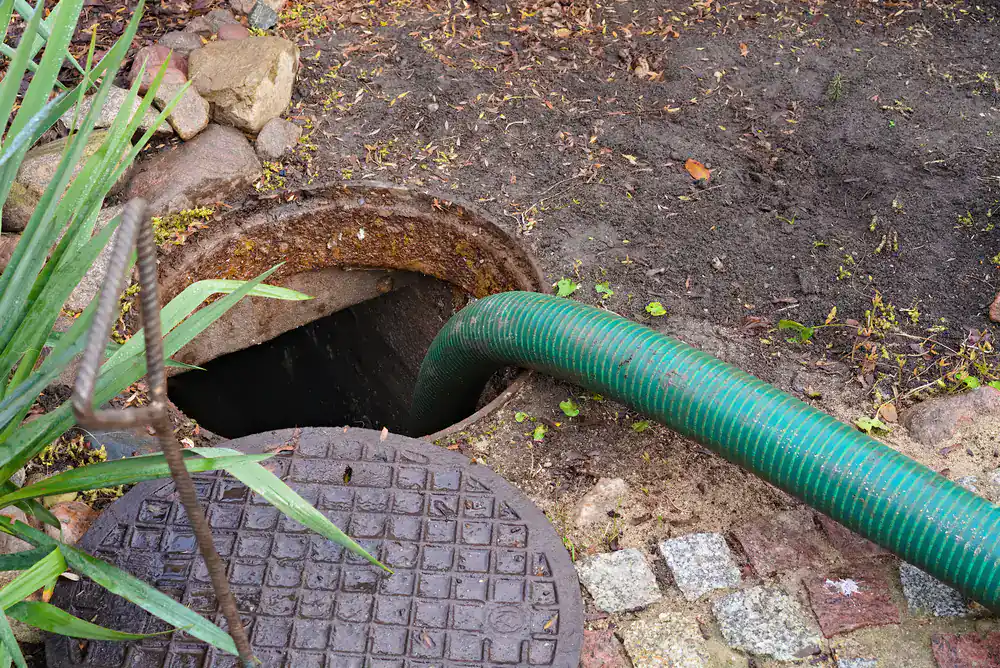
The visit starts with locating and accessing the cesspool cover. In newer homes this is usually quick. In older Halesite properties particularly anything built before the 1950s the cover may be buried under soil or landscaping, and the location may not be documented anywhere. If that’s the case, our technician will work to locate the system before anything else happens. This is normal for the area, and we’ve done it many times.
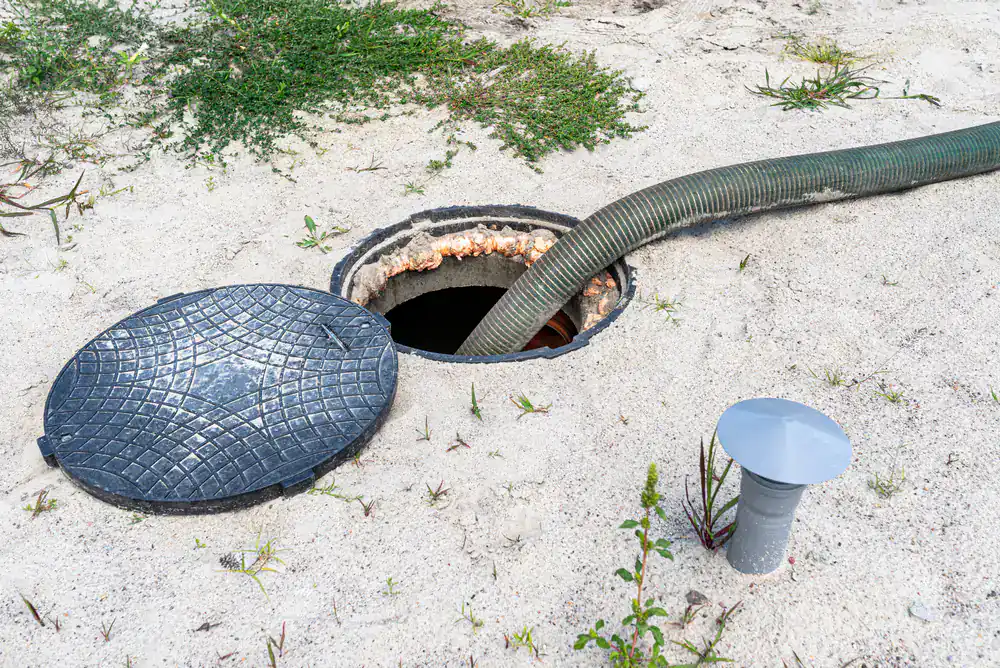
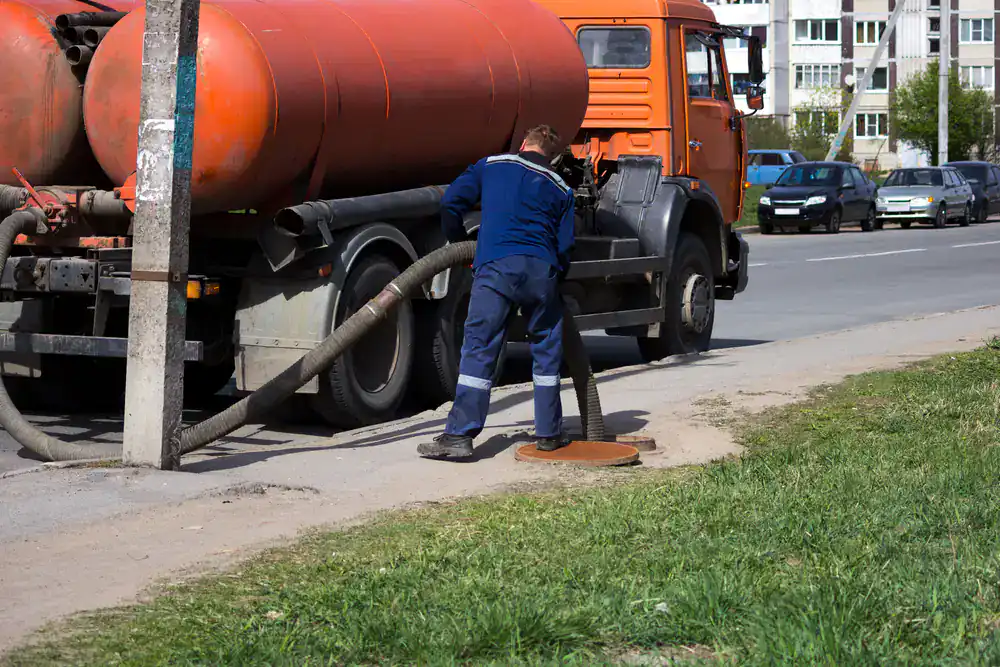
Once the system is accessed, we use a vacuum truck to remove the waste from the cesspool. During and after pumping, the interior of the system is inspected for visible issues deteriorated baffles, cracks, root intrusion, or anything that suggests the system needs repair beyond routine service. You’ll be told what was found and what, if anything, warrants follow-up. After the job is complete, you receive written documentation of the service. In Suffolk County, that paperwork is your compliance record and your proof of maintenance both of which matter when it comes time to sell a home in a market where properties routinely transact above $900,000.
Hear from Our Customers

The most immediate thing you notice is the absence of the problem. No slow drains, no smell creeping up from the basement, no standing water in the yard after a rain. That’s what a properly pumped cesspool does it removes the pressure that was building up quietly underneath your property.
For Halesite homeowners, that relief matters more than it might elsewhere. Halesite receives roughly 47 inches of rain per year about ten inches more than the national average. With Huntington Harbor sitting nearby and the water table responding to every storm that rolls through, a cesspool that’s overdue doesn’t stay a background issue for long. It becomes a problem faster here than in drier, inland communities.
There’s also the longer-term picture. Homes in Halesite routinely sell above $900,000. When you go to sell, the cesspool’s condition and service history come up because they always do in New York real estate transactions. A documented pump-out isn’t just maintenance. It’s a record that protects your asking price and keeps a buyer’s inspector from turning a routine sale into a negotiation.
We’ve been working on Long Island cesspools for over 30 years. That’s not a number pulled from a brochure it’s the kind of experience that shows up when a job gets complicated. When the cover is buried, when the records are gone, when the previous owner had no idea where the system even was. That’s a real scenario in Halesite, where homes on East Shore Road date back to the 1860s and 1870s, and where a significant portion of the housing stock was built long before anyone was required to document a cesspool’s location.
We’re family-owned, based in Suffolk County, and built on the kind of reputation you only maintain by doing the job right. Technicians like George, Mike, and Lucas show up by name in customer reviews because in a hamlet of under 2,700 people, the person who comes to your door is our reputation made visible. We’re available 24 hours a day, seven days a week, and when you call, a real person picks up.
It starts with a call. You describe what’s going on or what you think might be going on and you get a straight answer about what to expect, including how the pricing works. No vague estimates that change when the truck pulls up. That’s a documented problem in this industry, and it’s worth addressing head-on before you even book.
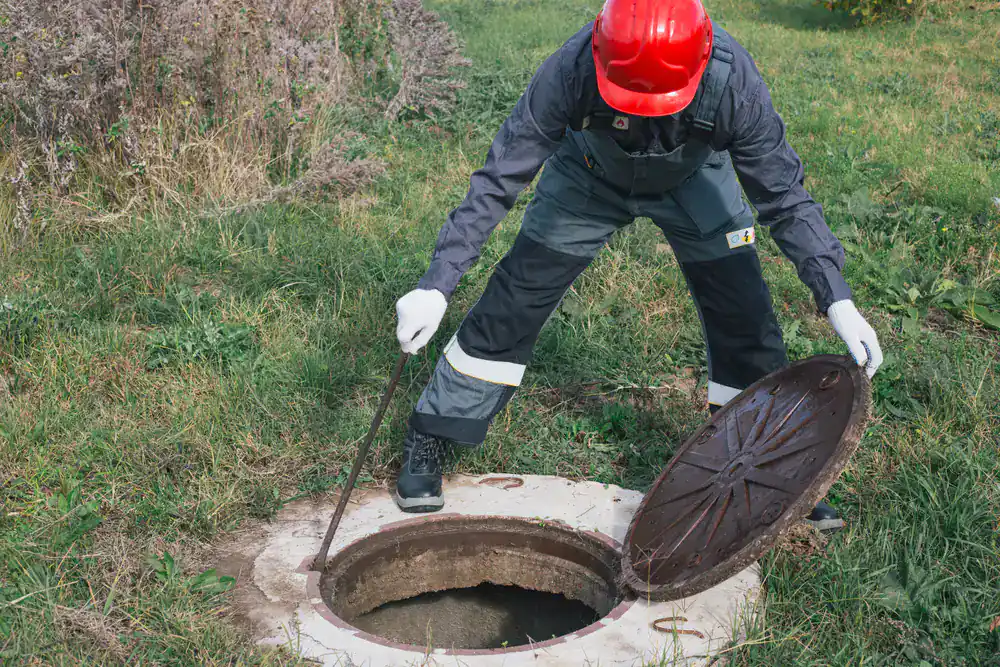
When our crew arrives, the first step is locating the system. In a newer home, that’s usually straightforward. In an older Halesite property especially anything along East Shore Road or on the harbor-facing streets the cover may be buried, the records may not exist, and the location may be genuinely unknown. We handle this regularly. Locating hard-to-find cesspools is a documented specialty, not a workaround.
Once the system is located and accessed, the pumping itself removes the accumulated liquid and solids. Our technician inspects what’s visible baffles, walls, access points and flags anything that warrants attention. After the job, you receive written documentation of the service. That paperwork matters in Suffolk County, both for compliance purposes and for the eventual real estate transaction that comes with owning a home in a market like Halesite’s.
Spring is typically the highest-demand period here, when snowmelt and rain hit simultaneously, so scheduling ahead of that window is worth considering.
Ready to get started?
Cesspool pumping and cesspool cleaning are not the same thing, and it’s worth knowing the difference before you book. Pumping removes the liquid and floating solids from the system. Cleaning goes further it addresses the hardened sludge that accumulates over time and includes a more thorough inspection of the system’s interior condition. For a home that hasn’t been serviced in years, or one where the service history is unknown, cleaning is often the more appropriate starting point.
In Halesite, the combination of older housing stock and harbor-adjacent soil conditions creates a specific set of challenges. The elevated water table particularly in the lower-lying streets near the water reduces how efficiently a cesspool leach field can drain between service cycles. That means systems here tend to fill faster than the national averages suggest, and homeowners who rely on a generic “every three to five years” schedule may be waiting longer than their specific property warrants.
Suffolk County requires that cesspool work be performed by licensed contractors holding a Suffolk County Consumer Affairs license and LILWA certification. Since July 2019, any new system installation or replacement must use Innovative/Alternative Onsite Wastewater Treatment technology conventional cesspool installation is no longer permitted. We handle the full scope: routine pumping, thorough cleaning, inspection, and where needed, full system installation. One company, one call, no handoffs to a second or third contractor.