Useful Links
Other Services we provide in Halesite
The standard recommendation for most Long Island septic tanks is every three to five years, but Halesite’s specific conditions push that closer to every three to four years for most households. The reason is geography. Halesite sits directly adjacent to Huntington Harbor, where the water table runs higher than it does for inland Suffolk County communities. Coastal storms and heavy spring rains can temporarily saturate the soil around your system, reducing its ability to drain properly and adding stress to a tank that’s already working hard. That elevated environmental load means systems here tend to need attention more frequently than the generic guideline suggests.
If your home was built before 1960 which describes a large share of Halesite’s housing stock the case for staying on a tighter schedule is even stronger. Older systems weren’t designed with today’s household water usage in mind, and decades of freeze-thaw cycles have done real work on the concrete. Pumping on schedule keeps the system functioning and gives our technician the chance to spot developing problems before they become emergencies.
This is one of the most common questions homeowners ask, and it matters because the two systems work differently and have different maintenance schedules. A cesspool is a single buried pit typically made of stacked concrete rings where all household waste collects and slowly leaches into the surrounding soil. There’s no separation of solids from liquids. A septic tank, by contrast, is a sealed two-chamber system that separates solids from liquids before the liquid effluent moves into a drain field. Cesspools are simpler and older; septic tanks are more engineered.
In Halesite, where more than one in five homes were built before 1940 and the median construction year is 1955, cesspools are extremely common. Many homeowners don’t know which system they have because the records simply don’t exist or were never passed along when the home changed hands. The practical difference for you: cesspools typically need pumping every one to two years because they don’t separate waste the way a septic tank does, while septic tanks can usually go three to five years between pump-outs. If you’re not sure what you have, one of our technicians can determine that on-site.
The most obvious signs are slow drains throughout the house, gurgling sounds in the pipes, sewage odors inside or outside, and wet or unusually green patches of grass over the tank or drain field area. Any one of those is worth acting on. If you’re seeing more than one at the same time, the system is already under serious stress and waiting will make it worse.
What’s important to understand is that the absence of symptoms doesn’t mean everything is fine. Septic systems can be operating beyond their capacity for months before any visible sign appears. By the time waste is backing up into a basement or surfacing in the yard, the damage is often already done and you’re looking at potential drain field failure that can run well beyond the cost of routine pumping. For Halesite homeowners with older systems, the smarter move is staying on a pumping schedule rather than waiting for a symptom to force the call.
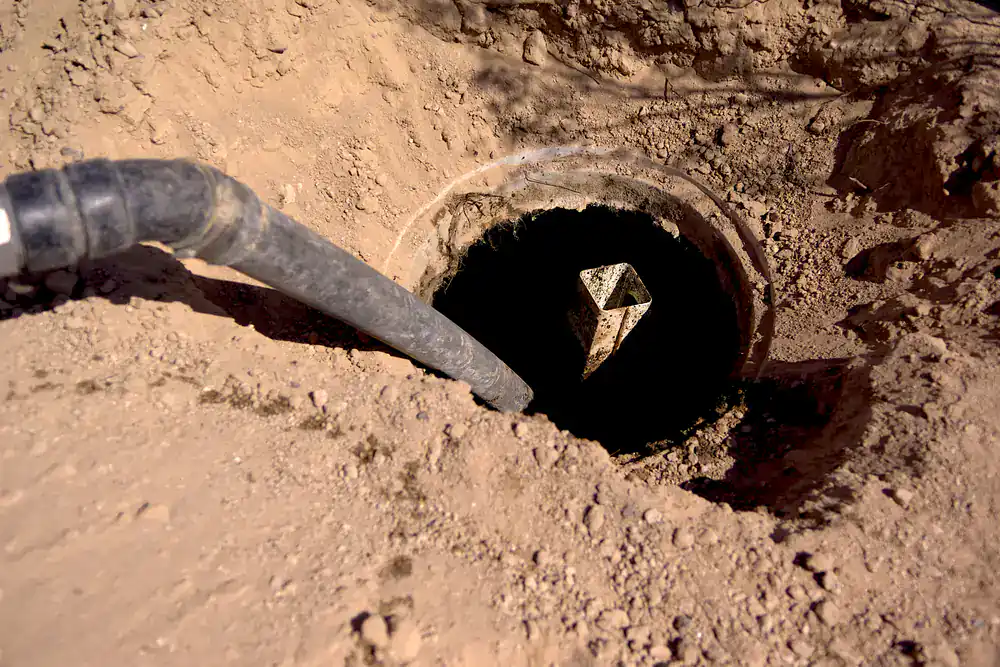
Older homes in Halesite come with a few common realities that are worth knowing ahead of time. First, the lid to your cesspool or septic tank may be buried. In homes built in the 1940s and 1950s, lids were often set just below grade and have since been covered by decades of soil, landscaping, or lawn growth. Locating the lid is part of the job, and we specifically have experience finding systems on older Halesite properties where no map exists and no previous owner left records. That’s not an unusual situation here it’s the norm.
Second, the system itself may be a stacked concrete ring cesspool, which was the standard construction method for that era. These structures are susceptible to cracking from freeze-thaw cycles and shifting from the sandy soil that’s common throughout Suffolk County’s North Shore. Our technician will assess the condition of the structure while pumping and let you know if anything warrants attention. You won’t be pressured into repairs but you will get an honest read on what’s there.
Routine septic tank pumping itself doesn’t require a homeowner permit but the contractor performing the work must hold a Suffolk County Liquid Waste License, issued by the Suffolk County Department of Labor, Licensing and Consumer Affairs. This license requires the contractor to have a minimum of five years of verified trade experience and to own a dedicated pump and vacuum truck. It also requires that all septage the waste removed from your tank be transported and disposed of at a licensed treatment facility. That last point matters more than most homeowners realize. Low-price operators who skip legal disposal are cutting a cost that isn’t theirs to cut, and the consequences fall on the environment and ultimately on the regulatory record for your property.
If your system fails and needs to be replaced, that’s a different situation. Suffolk County changed its rules in 2019 you can no longer replace a failed cesspool in kind. Any replacement now requires an upgrade to a more advanced system, which involves permits, county approval, and a licensed contractor who can handle that scope of work. We handle installations as well as pumping, so if a pump-out reveals a system that’s approaching the end of its life, you have a path forward without starting over with a new contractor.
Starting from zero is more common than you’d think in Halesite, where homes change hands without any maintenance records and previous owners often didn’t keep documentation of septic service. The first step is simply getting the system pumped and inspected so you know what you’re working with. That gives you a baseline current condition of the tank, approximate age if it wasn’t disclosed, any structural concerns, and a starting point for a maintenance schedule going forward.
In a community where the median home value exceeds $850,000 and homes near the East Shore Road waterfront regularly sell above $1 million, knowing the condition of your subsurface systems isn’t optional it’s basic due diligence on your investment. A pump-out and inspection also gives you documentation you can reference if you sell in the future, which buyers’ attorneys and lenders will want to see. Getting that first service done is the lowest-cost, highest-value thing a new Halesite homeowner can do in the first year of ownership.
Hear from Our Customers
Halesite sits right at the edge of Huntington Harbor and that proximity means the condition of your septic system has consequences that go beyond your own property. Environmental reports on Halesite Park have specifically identified failing septic systems on unsewered properties as a documented source of pathogens entering the harbor. That’s not a generic Long Island concern. That’s your street, your waterfront, your neighborhood. Getting your tank pumped on schedule isn’t just routine maintenance here, it’s part of keeping the water your family actually uses clean.
Beyond the harbor, the practical case for staying current is straightforward. Halesite’s housing stock has a median construction year of 1955, and more than one in five homes were built before 1940. Systems that old have been through decades of freeze-thaw cycles, shifting sandy soil, and accumulated sludge that doesn’t disappear on its own. A thorough pump-out every few years keeps those systems functional and gives a technician the chance to catch a developing problem before it becomes a $15,000 drainfield failure.
If you’re thinking about selling or you just bought the stakes get even more concrete. At Halesite’s median home values, a septic issue surfacing during due diligence doesn’t just delay a closing. It can cost you tens of thousands of dollars in price reductions, repairs, or post-closing disputes. Documented, consistent maintenance is the paper trail that protects your investment.
We’ve been working on Long Island’s cesspools and septic systems for over 30 years. That’s not a number pulled from a brochure it’s the kind of experience that comes from working on stacked concrete rings in pre-war homes, locating buried lids on properties that haven’t seen service in decades, and knowing how Suffolk County’s sandy coastal soil behaves differently than anything you’d find inland.
We’re locally owned and operated out of West Babylon, which sits at the southern end of Route 110 the same road that runs directly north through Huntington and terminates right here in Halesite. We serve the communities along that entire corridor, and we’ve been doing it long enough to know what North Shore homes actually deal with underground.
Our approach is straightforward: show up, do the job completely, and tell you what we found without padding the invoice. Customers consistently call out our crew by name in reviews Mike, Lucas, George because the work is personal, not transactional. That reputation matters in a community as tight-knit as Halesite.
It starts with a free estimate. Before anyone sets foot on your property, you’ll know what the job involves and what it costs. That matters in a market where low phone quotes and surprise charges on arrival are a real and documented problem. We give you the price upfront and it doesn’t change when the truck pulls up.
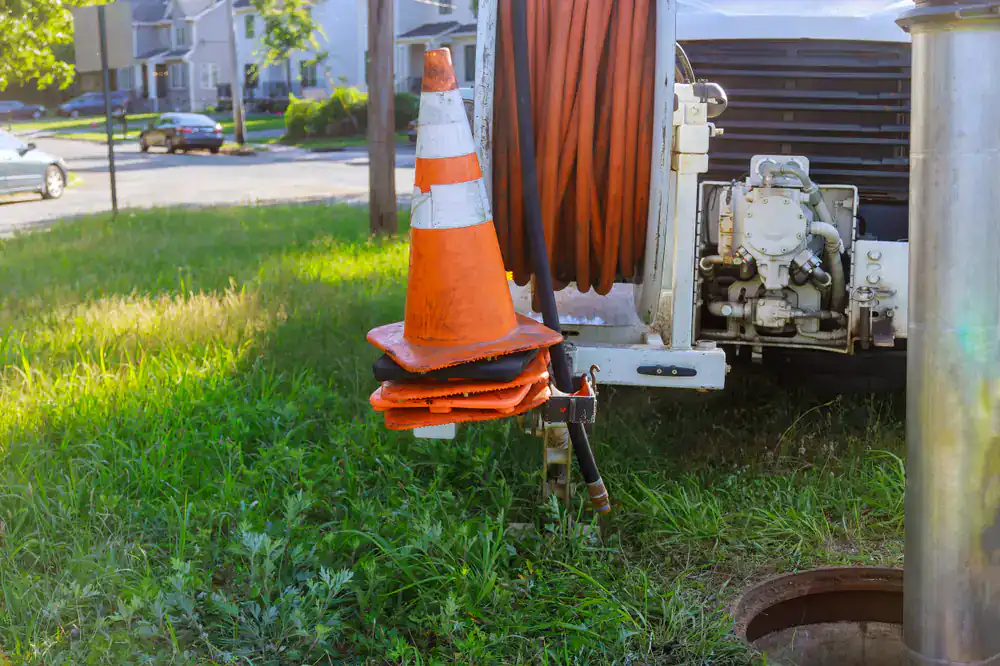
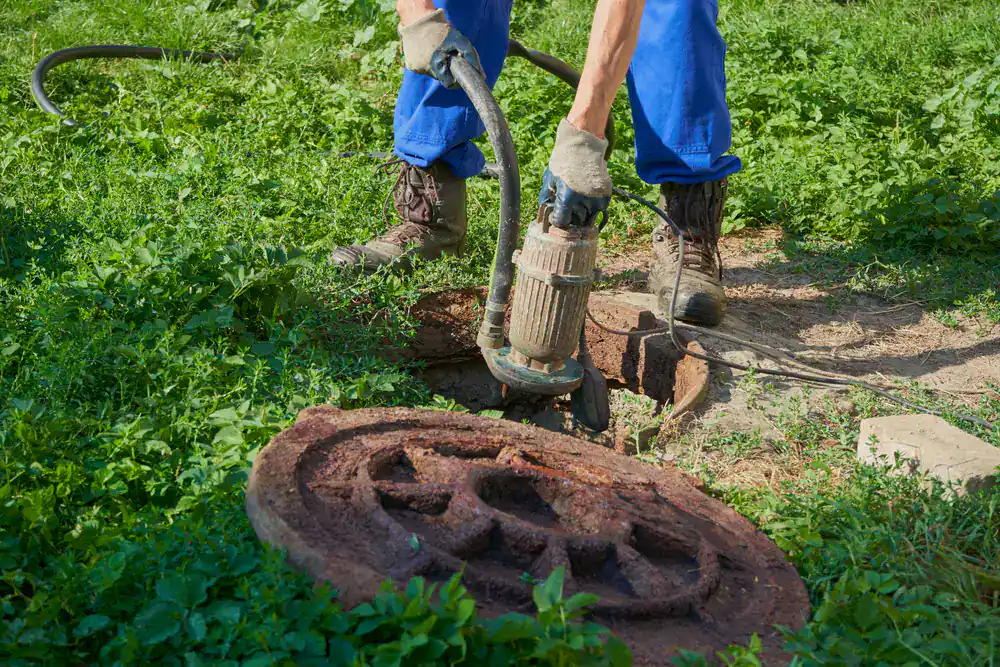
When our technician arrives, the first step is locating and accessing the tank. In Halesite, where a significant portion of homes were built in the 1940s and 1950s and some go back much further lids are often buried under years of soil and landscaping. We specifically specialize in locating hard-to-find cesspools and septic tanks, which is exactly the kind of capability that matters on East Shore Road or any of the older streets running off New York Avenue. Once the lid is located and safely exposed, we pump out all of the accumulated sludge and waste not just the surface layer. A partial pump-out might look like the job got done, but it leaves the problem in place.
After the tank is emptied, our technician assesses the system’s condition checking for signs of structural wear, infiltration, or anything that warrants attention. You’ll hear what we found in plain language, and nothing gets added to the scope without your approval. Suffolk County’s coastal conditions, including the high water table near Huntington Harbor, can accelerate wear on older systems, so that post-pump assessment isn’t a formality it’s where real problems get caught early.

Ready to get started?
Septic tank pumping in Suffolk County typically runs between $225 and $600 for a standard residential system, depending on tank size. A 1,000-gallon tank generally falls in the $225–$400 range; larger systems run higher. If your lid is buried which is common in Halesite’s older housing stock excavation to access it is an additional cost that varies based on depth and how much soil has accumulated over the years. We’ll tell you about that before the work begins, not after.
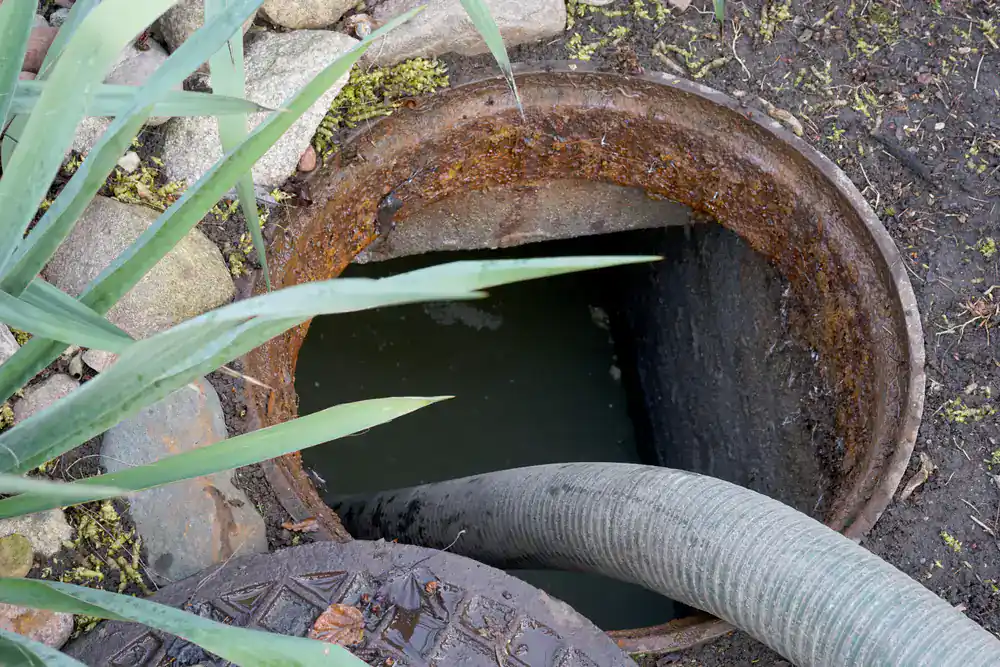
What’s included in a proper pump-out goes beyond just emptying the tank. Our technician removes all accumulated solids and sludge, disposes of the waste legally at a licensed treatment facility, and inspects the system’s condition while on-site. For homes near Huntington Harbor, where the water table sits higher and coastal storms can push additional stress onto aging systems, that inspection step is worth paying attention to. It’s how you find out whether your 1950s-era tank is holding up or whether a more significant issue is developing underneath your yard.
We handle the full scope of what a Halesite home might need not just pumping, but drain cleaning, drywell service, main sewer line work, and full system installation if it comes to that. Suffolk County’s 2019 rule change means that any failed cesspool that needs replacing must now be upgraded to a more advanced system rather than replaced in kind. If your system reaches that point, you won’t need to find a second contractor we handle installations as well.