
Useful Links
Other Services we provide in Halesite
It depends on your property’s current system and whether it meets the eligibility requirements for the Suffolk County Septic Improvement Program. Generally, to qualify, the property needs to have a valid certificate of occupancy, no outstanding tax liens, and the existing system must be a cesspool or conventional septic that doesn’t meet current nitrogen-reduction standards. You also can’t be replacing a system that was already upgraded recently.
The critical thing most Halesite homeowners miss is the timing. You have to apply for and receive your grant certificate before installation begins not after. If you start work first, you lose the grant. As of 2025, eligible Suffolk County homeowners can access combined state and county grants of up to $45,000 for I/A OWTS installation. For a Halesite property, where the harbor proximity makes an advanced nitrogen-reducing system both environmentally appropriate and likely required, that funding window is worth understanding before you sign anything with any contractor.
I/A OWTS stands for Innovative and Alternative Onsite Wastewater Treatment System. It’s a category of advanced septic system designed to reduce nitrogen output significantly typically by around 70% compared to a conventional cesspool. These systems use additional treatment stages to process wastewater before it reaches the soil and groundwater.
Whether you need one depends on your specific situation. Suffolk County’s 2019 ban means you can’t replace a failed cesspool with another basic cesspool at minimum, you need a conventional septic system with a tank and leaching field. But for properties in unsewered areas adjacent to impaired water bodies, like the residential neighborhoods in Halesite that sit above the groundwater flowing into Huntington Harbor, an I/A OWTS system is often the appropriate choice from both a regulatory and environmental standpoint. A site assessment will tell you which category your property falls into before any decisions get made.
The active installation work itself excavation, system placement, proper abandonment of the old cesspool, and site restoration typically takes one to three days once permits are in hand. Many residential jobs in Halesite are completed in a single day.
The longer part of the timeline is the permit process. Suffolk County requires a permit or registration filing with the SCDHS before any work begins, and that process includes a soil percolation test and a review period. Depending on application volume at the county level, this can add a few weeks to the overall timeline. If you’re also applying for a SIP grant, that application needs to run before installation starts as well. For Halesite homeowners dealing with a failing system and a real estate transaction on the line, understanding this full timeline upfront not after you’ve already hired someone is the right way to plan. Getting the process started as soon as possible is almost always the right call.
The old system doesn’t just get abandoned in place and forgotten. Proper cesspool abandonment under Suffolk County requirements means the system gets pumped out completely, the structure is either crushed or filled with an approved material, and the work gets documented. That documentation matters it’s part of the permit record, and it protects you if questions ever come up about the property’s wastewater history during a future sale or inspection.
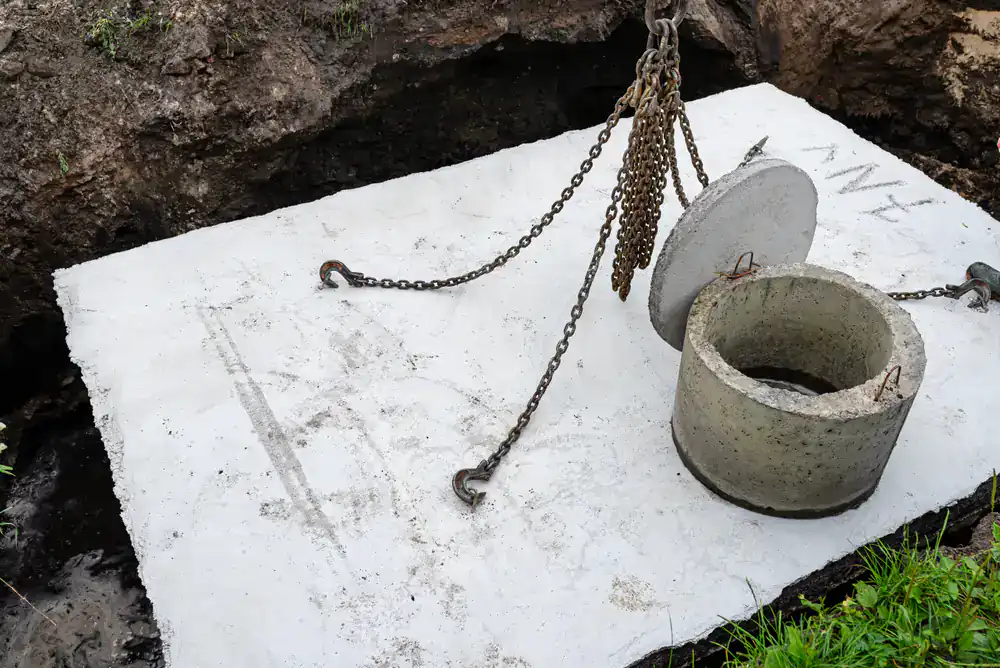
In Halesite, where a lot of the existing cesspools were installed in the 1940s and 1950s using stacked concrete block construction, the abandonment process sometimes surfaces surprises additional chambers, unmarked overflow pits, or secondary systems that weren’t on any map. Our experience with cesspool location work means we can identify what’s actually underground before the excavation starts, which reduces the chance of unexpected complications mid-job.
Yes, and it’s one of the more common constraints in older Huntington-area neighborhoods like Halesite. Homes built before 1960 were designed when cesspools were the standard compact, simple, and requiring minimal footprint. Modern septic systems with full leaching fields need more horizontal space than a lot of these older properties were built to accommodate.
When a standard drain field layout won’t fit, there are alternative system configurations including pressurized shallow drainfields and certain I/A OWTS designs that can work within tighter lot constraints. The right answer depends on the actual dimensions of your property, the soil percolation data, and the proximity of the system to the water table and any nearby structures. That’s exactly why a site assessment comes before any system recommendation. A contractor who gives you a system type over the phone before seeing your property is guessing. The assessment is what makes the recommendation accurate.
The most important credential to verify is the Suffolk County Liquid Waste License. This is a specific license issued by the Suffolk County Department of Labor, Licensing and Consumer Affairs it’s separate from a general plumbing or contractor license, and not every contractor who shows up with a truck has one. Any septic or cesspool work in Suffolk County requires it. Ask for the license number and verify it.
Beyond licensing, look for a contractor who understands the local regulatory environment specifically the 2019 cesspool ban, Article 6 of the Suffolk County Sanitary Code, and the SIP grant process. In Halesite, where the housing stock is old and the harbor proximity adds environmental and regulatory weight to the project, you want someone who has actually worked on North Shore coastal properties before. Ask for written estimates before any work begins. Ask whether they handle the permit filing or leave that to you. And ask specifically whether they’re familiar with the I/A OWTS certification requirements and the SIP approved installer process because if you want to access grant funding, your contractor has to be on that approved list.
Hear from Our Customers

When your septic system is done right, you stop thinking about it. No slow drains. No wet patches showing up in the yard after a heavy rain. No smell coming up through the floor on a warm morning. That’s the baseline and it’s what a properly installed system delivers.
For Halesite homeowners specifically, the stakes are a little higher than most. The sandy, glacial soil that runs through this part of the North Shore shifts and settles over time. It’s the same soil that drains well in dry conditions but puts real pressure on aging concrete structures that have been underground for 50 or 60 years. A new system designed with those soil conditions in mind holds up in ways that a patched or pumped-out old cesspool simply cannot.
There’s also Huntington Harbor to consider. It sits right outside Halesite and has been officially listed as impaired for pathogens by the state. The groundwater flowing from our community’s unsewered residential properties drains into that harbor. A modern nitrogen-reducing I/A OWTS system cuts nitrogen output by up to 70% compared to a conventional cesspool. That’s not an abstract environmental statistic it’s the water your neighbors boat and kayak in. Getting this installation done correctly protects your property, your neighborhood, and the water body that defines this hamlet.
We’re a family-owned and operated company based in West Babylon, serving both Nassau and Suffolk Counties for over 30 years. That’s three decades of working through Long Island’s specific soil conditions, regulatory changes, and the kinds of aging infrastructure problems that show up in older North Shore communities like Halesite.
Our crew knows this area. They know what a pre-war cesspool looks like when it finally gives out. They know how the freeze-thaw cycles that come through every winter stress concrete that was never designed to last this long. And they know Suffolk County’s Article 6 requirements, the 2019 cesspool ban, and the I/A OWTS certification process not because they read about it, but because they’ve been navigating it on real jobs, for real homeowners, across Halesite and the Town of Huntington.
When you call, a real person picks up. When we give you a time, we show up. That’s been the consistent thread in customer feedback for years, and it matters more than most contractors will admit.
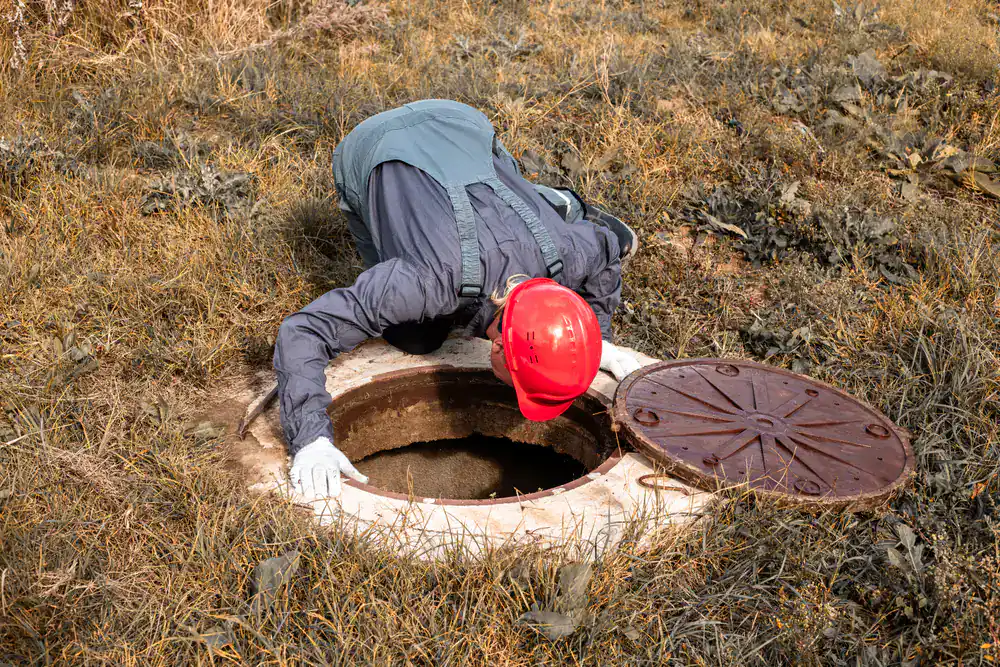
It starts with a site assessment. Before anything gets designed or priced, we look at your actual property the lot size, the soil, the location of the existing system, and the proximity to the water table. In Halesite, where older homes often sit on compact lots with limited space for modern drain field requirements, this step matters more than it does in a newer suburban development. You can’t design a compliant system off a template when every property is different.
From there, a soil percolation test gets completed, and the appropriate permit or registration gets filed with the Suffolk County Department of Health Services before any work begins. This isn’t optional it’s required under Article 6 of the Suffolk County Sanitary Code, and any contractor skipping this step is a contractor you don’t want on your property.
If you’re eligible for a Suffolk County Septic Improvement Program grant and Halesite homeowners replacing cesspools with I/A OWTS systems may qualify for combined state and county grants up to $45,000 the grant certificate needs to be issued before installation starts. We can walk you through that process.
Once permits are in hand, the actual installation typically takes one to three days of active work. The old system gets properly abandoned pumped, documented, and filled and the new system goes in. Most jobs are completed in a single day. After installation, a post-inspection by the county closes the loop. You get documentation of the new system, and you move forward knowing the job was done to code.
Ready to get started?
Septic system installation in Halesite isn’t a one-size-fits-all job. The homes here were mostly built before 1960, which means the existing infrastructure if it hasn’t already been replaced is likely stacked concrete block or pre-cast ring construction that’s well past its intended lifespan. The soil is sandy and coastal. The water table near the harbor runs higher than it does inland, especially after storm events or during the wet season.
Since Suffolk County banned new cesspool-only installations in July 2019, any replacement has to meet modern standards at minimum and in many cases, the specific conditions of a property near an impaired water body like Huntington Harbor will point toward an I/A OWTS nitrogen-reducing system.
We handle the full scope: site evaluation, perc testing, permit filing with SCDHS, proper abandonment of the old system, installation of an approved septic system designed for your property’s specific conditions, and post-installation documentation. Residential and commercial properties are both covered. If your lot has limited space for a conventional drain field which is a real constraint in older Halesite neighborhoods we assess what system design actually fits before recommending anything.
If you’re in the middle of a real estate transaction and a home inspection flagged a failing or non-compliant system, that timeline matters. Homes in Halesite list at median prices approaching $1 million. A non-compliant cesspool discovered under contract is a negotiating liability. Getting a clear picture of what’s needed and a contractor who can move efficiently protects the transaction.
