
Useful Links
Other Services we provide in Hampton Bays
No and this is one of the most common misconceptions among Long Island homeowners right now. Since July 1, 2019, Suffolk County has prohibited cesspool-only replacements. If your system needs to be replaced, the new installation must include at minimum a septic tank preceding the leaching structure. You cannot simply swap one cesspool for another and call it done.
For new single-family home construction in Suffolk County after July 1, 2021, the requirement goes further those properties must install I/A OWTS systems, which are nitrogen-reducing treatment systems designed to protect groundwater and surrounding waterways. In Hampton Bays, where the water table feeds directly into Shinnecock Bay and Peconic Bay, this regulation carries real environmental weight. Before any work begins, we’ll assess your property and tell you exactly which system type your situation requires under current Suffolk County rules.
Yes, every time. Cesspool installations, replacements, and major repairs in Hampton Bays require permits from the Suffolk County Department of Health Services. The application process includes engineered plans, soil testing results, and documentation of setback distances from wells, property lines, and water features. Given Hampton Bays’s position between Shinnecock Bay and Tiana Bay, setback requirements from water bodies are particularly relevant here and need to be accurately documented before any permit gets approved.
Permit processing typically takes two to four weeks, and permit costs generally run in the range of a few hundred dollars depending on system size and scope. We handle the full permit process on your behalf from submitting the application to coordinating the final SCDHS inspection. If you’re managing the project remotely, as many Hampton Bays property owners do, having one company handle permits, installation, and inspection sign-off removes a significant coordination burden.
Sandy soil drains faster than the clay-heavy soil you’d find in parts of Nassau County, which can make leaching pool performance more efficient under normal conditions. But there’s a trade-off: in a sandy, coastal environment like Hampton Bays, wastewater and the nitrogen it carries also moves through the ground and toward the water table more quickly. That’s why a properly sized and correctly installed system matters more here, not less.
Sandy soil also responds differently to seasonal water table fluctuations. After heavy rain or a coastal storm both common on the South Fork groundwater levels can rise enough to compromise a leaching pool’s function, causing backup conditions that require emergency service. A system that’s correctly installed with local soil conditions in mind is less vulnerable to these fluctuations. We’ve been working in Suffolk County’s variable soil for over 30 years and account for local percolation rates and water table depth when sizing and positioning every installation.
The national recommendation for cesspool pumping is every four to five years, but Long Island’s high water table typically shortens that to every two to three years. In Hampton Bays, the seasonal population surge adds another layer. A system sized for a year-round household of two or three people may be receiving the waste load of six, eight, or more people during peak summer weeks particularly in rental properties where turnover is constant and usage is heavy.
For vacation rental owners, this matters practically: a system that was pumped and inspected at the end of one summer can reach capacity faster than expected if the following season brings higher occupancy. Building a regular pumping schedule into your property maintenance calendar rather than waiting for a backup to force the issue is the most cost-effective approach. We handle cesspool pumping in addition to installation, so you’re not hunting for a second company to manage ongoing maintenance once the new system is in the ground.
Yes, and they’re worth understanding before you commit to a project. Through the Suffolk County Septic Improvement Program, eligible homeowners can currently access up to $45,000 in combined State and County grant funding for I/A OWTS installations the nitrogen-reducing systems now required for new construction in Suffolk County. Grant payments are also not counted as taxable income under IRS guidelines, which makes the effective value even more significant.
For Hampton Bays homeowners specifically, you may be able to access up to $65,000 in combined grants when state, county, and town-level funding is stacked together. The specifics depend on eligibility and funding availability, so it’s worth confirming current program details when you get your estimate. Grant funding is first-come, first-served, and available pools do shrink over time. We can walk you through what’s currently available and whether your project qualifies.
A summer cesspool failure in Hampton Bays is a different kind of problem than a failure in a quiet year-round suburb. If your property is rented out, you’re looking at potential lost rental income, a health code issue, and the challenge of coordinating emergency repairs while you’re not on-site. If it’s your own home, you’re dealing with a sewage backup during the busiest and most expensive time of year to get a contractor out on the East End.
We offer 24-hour emergency service, every day of the week. When a system backs up on a Sunday night in August, someone picks up and gets there. That said, the better outcome is never getting to that point. A free estimate in the spring, before the season starts, can tell you whether your system is at risk before it becomes a problem. For older properties in Hampton Bays particularly the mid-century cottages in Ponquogue, Tiana, and Red Creek proactive assessment before peak season is genuinely worth the call.
Hear from Our Customers
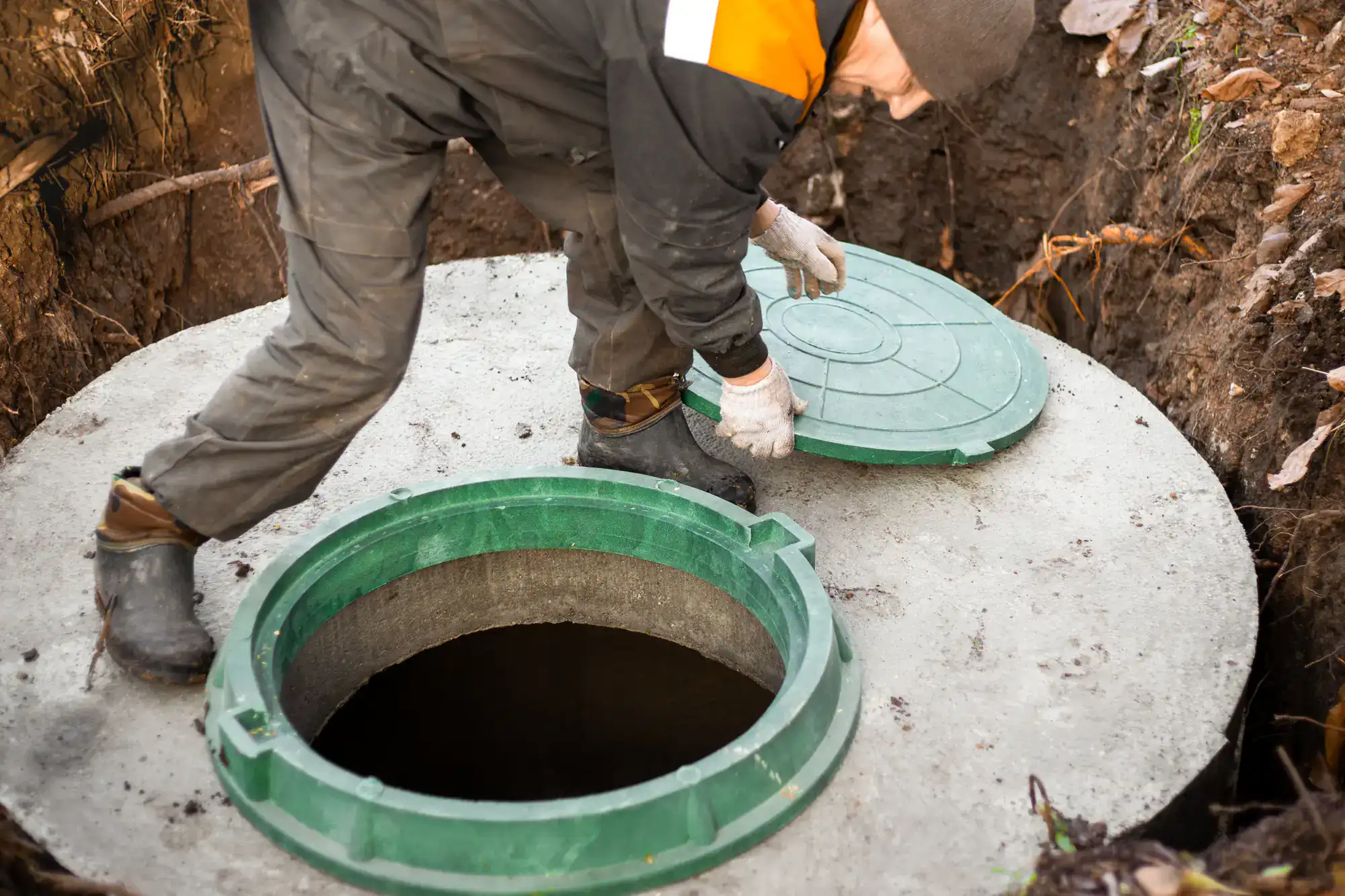
Hampton Bays sits on sandy soil with a shallow water table and direct proximity to Shinnecock Bay. When a cesspool fails or is undersized here, waste moves through that sandy soil and into the bay faster than almost anywhere else on Long Island. That’s not abstract it shows up in water quality reports, shellfish restrictions, and algae blooms every summer.
A properly installed system stops the cycle of emergency pump-outs, protects the waterways you actually use, and removes the risk of failure during peak season when your property is at its most valuable and most occupied. For rental property owners especially, a functioning, code-compliant cesspool is the difference between a smooth summer and a call from your property manager at 9 PM on a Friday in July.
We size and position every installation with Hampton Bays’s specific soil conditions and water table depth in mind. A new system, done right, gives you one less thing to manage from wherever you are.
We’re a family-owned, fully licensed, insured, and bonded cesspool and drainage company based on Long Island, with over 30 years of experience working in Suffolk County’s soil, under its regulations, and alongside its homeowners. Our license number LW-63684 is on every page not buried in fine print because verifiable credentials matter when you’re hiring someone to excavate your property.
Hampton Bays falls under the Town of Southampton, and cesspool rules here are governed by the Suffolk County Department of Health Services. That means permits, engineered plans, soil evaluations, and final inspection before the system goes live. We handle all of it.
The older cottage neighborhoods around Ponquogue and Tiana aren’t new territory for us systems in those areas have been around since the 1960s and 1970s. Knowing what to expect when you open the ground in these neighborhoods is part of what 30-plus years of experience actually means. We’ve worked on hundreds of Hampton Bays properties and understand the specific challenges this area presents.
It starts with a free estimate. We come out to assess your current system, evaluate the site, and give you a clear picture of what’s needed and what it will cost in writing, before anything begins. No phone quotes that balloon once the truck arrives.
Once you move forward, the permit process kicks off. In Suffolk County, cesspool installations require an application to the Suffolk County Department of Health Services, including soil testing results, engineered plans, and documentation of setback distances from property lines, wells, and water features. Given Hampton Bays’s proximity to Shinnecock Bay and Tiana Bay, setback requirements are taken seriously here, and the permit process reflects that. We manage this entire process you don’t need to track down an engineer or figure out the SCDHS paperwork yourself.
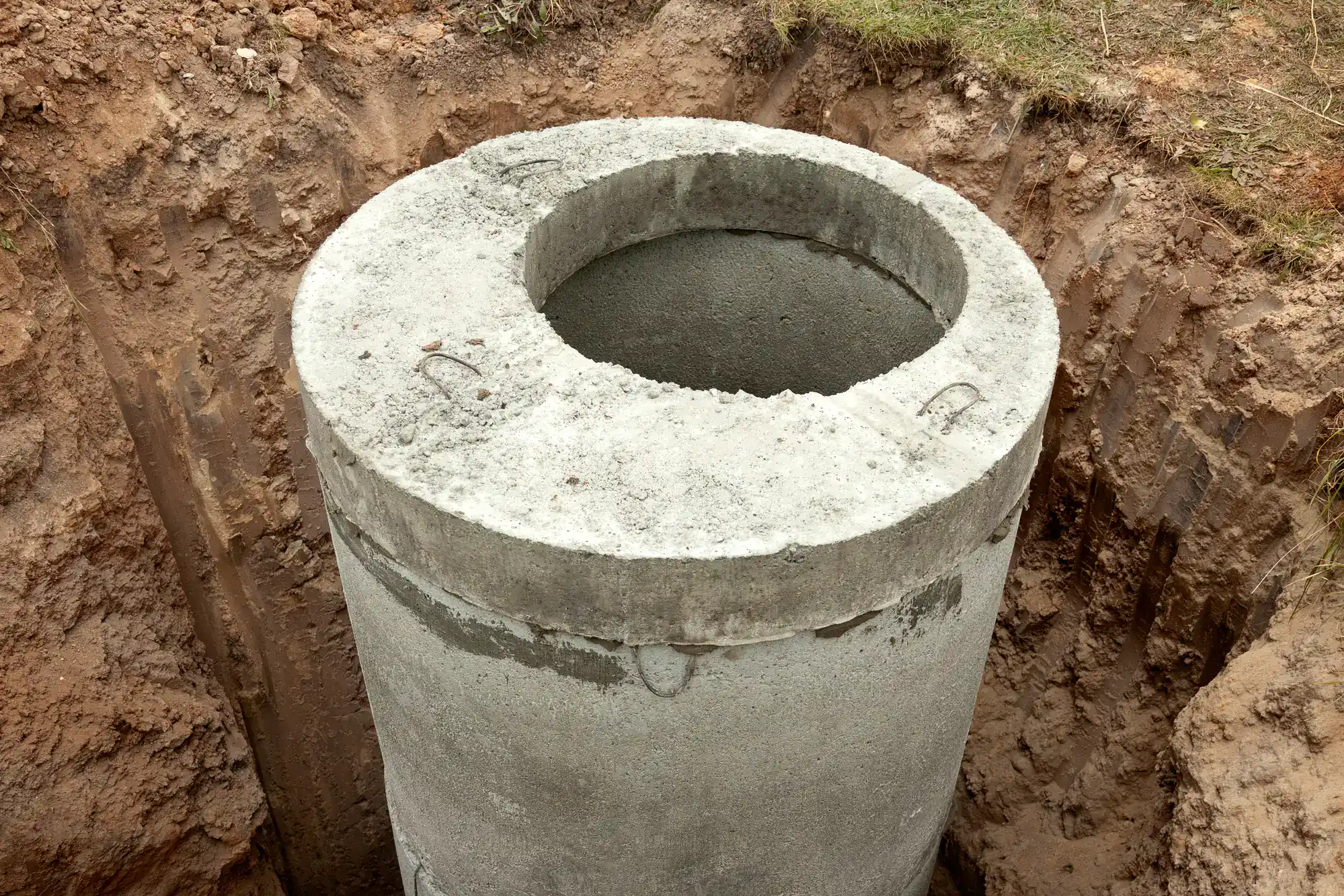
Once permits are approved, our crew handles excavation, installation, connection to your home’s existing sewer line, and site restoration. Most residential installations take one to five days depending on system type and site conditions. The job isn’t complete until the final SCDHS inspection clears and that’s included. You get a functioning, permitted, code-compliant system with no loose ends.

Ready to get started?
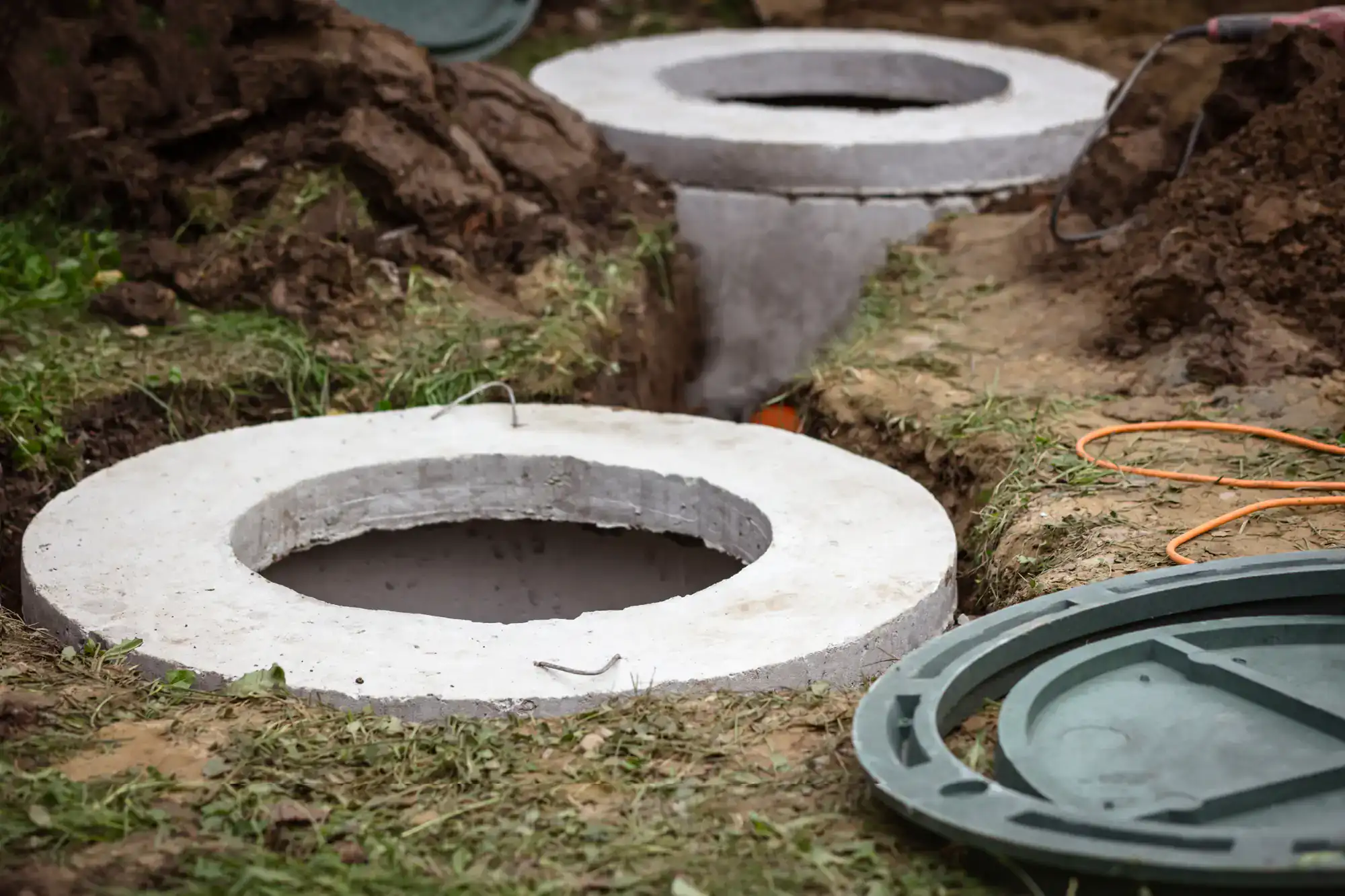
Cesspool installation isn’t one thing it’s a full scope of work that varies depending on what you have now, what Suffolk County requires, and what your property’s soil and water table can support. We handle new cesspool installations, complete system replacements, leaching pool and drywell installation, and cesspool ring replacement for Long Island properties. Residential and commercial properties are both in scope which matters in Hampton Bays, where waterfront restaurants, marinas, and seasonal businesses have the same Suffolk County compliance obligations as homeowners.
Since July 2019, Suffolk County has prohibited replacing a cesspool with another cesspool. Any replacement system now requires at minimum a septic tank preceding the leaching structure. For new construction since July 2021, Innovative and Alternative Onsite Wastewater Treatment (I/A OWTS) systems which reduce nitrogen output by 70 to 90 percent compared to conventional cesspools are required. We can walk you through which system applies to your situation and what the current Suffolk County Septic Improvement Program grant funding looks like for eligible homeowners.
If your property has an older system with no records common in the historic hamlet neighborhoods around Ponquogue and Red Creek we specialize in locating hard-to-find cesspools before any excavation begins. That alone can save significant time and cost on older Hampton Bays properties where decades of renovations have obscured the original system’s footprint.
