Useful Links
Other Services we provide in Hampton Bays
Hampton Bays homeowners have access to one of the most layered grant packages on Long Island. The Suffolk County Septic Improvement Program, funded jointly by Suffolk County and New York State, provides combined grants of up to $20,000 toward an I/A OWTS installation. That application goes through the county’s SIP portal, and the grant must be issued before installation begins not after.
On top of that, the Town of Southampton operates its own I/A OWTS Rebate Program through the Community Preservation Fund. The maximum rebate is $20,000, and it increases to $25,000 for qualifying low-to-moderate income households. The CPF office that handles this is located at 24 West Montauk Highway, right here in Hampton Bays. Between the county, state, and town programs, the total potential grant funding for a qualifying Hampton Bays homeowner reaches $45,000. There’s also a CDCLI loan of up to $10,000 at 3% interest over 15 years for costs above the grant amount. The key is sequencing the applications correctly and working with a contractor who knows all three programs not just the county-level one.
Yes, and it’s one of the more important local factors to understand before installation begins. The sandy, permeable coastal soil in Hampton Bays doesn’t hold effluent the way denser inland soils do. Waste moves through it quickly, which shortens the distance between a failing system and the water table and from there, to Shinnecock Bay or Tiana Bay.
This affects system design in a few concrete ways. A standard percolation test is still required before any permit is filed, but the results in Hampton Bays often indicate faster-than-average drainage rates that need to be factored into the leaching field design. In some bayfront and low-lying areas, the water table is high enough that a conventional gravity-fed drainfield isn’t viable, and a pressurized shallow drainfield or elevated system design is required instead. These are engineering decisions that need to be made by someone who has actually worked in coastal Suffolk County not someone applying a generic Long Island template to a property that sits 200 feet from a bay.
It depends on your property’s situation, and the rules have changed significantly in recent years. Suffolk County banned all new cesspool-only installations as of July 1, 2019, so a direct cesspool replacement is no longer an option. At minimum, a replacement must meet modern septic tank standards with a proper leaching field.
For properties in Hampton Bays specifically, the bar is often higher. The Town of Southampton’s Chapter 123 now requires I/A OWTS installation for residential projects in the CPF High Priority Area, which includes Hampton Bays. If you’re undertaking a significant renovation adding a bedroom, expanding living space, or triggering a major reconstruction threshold an I/A OWTS nitrogen-reducing system may be legally required regardless of whether your existing system is actively failing. Beyond the regulatory requirement, I/A OWTS systems reduce nitrogen discharge by up to 70% compared to conventional cesspools, which matters when your property is in a watershed that drains directly into protected coastal bays. A site assessment will clarify which system type applies to your specific property and situation.
The actual installation work excavation, system installation, old system abandonment, and site restoration typically takes one to three days of active work for most residential properties. We’ve completed many jobs in a single day, which matters for Hampton Bays homeowners who don’t want their property torn up for a week, especially heading into summer.
The longer timeline is the permit process. Filing with the Suffolk County Department of Health Services under Article 6, completing the SIP grant application, and submitting the Southampton Town CPF rebate application all happen before a shovel goes in the ground because the grant must be issued before installation begins. Depending on the time of year and application volume, the permitting and grant approval window can add several weeks to the overall timeline. Spring tends to be the busiest period for SCDHS applications across Suffolk County, so if you’re planning an installation before summer, starting the process early is the practical move. We manage the permit and application filing so the process moves as efficiently as possible.
The old system doesn’t just get left in the ground. Proper abandonment is a required part of any permitted septic installation in Suffolk County. The existing cesspool or septic tank gets pumped out completely, and then it’s either crushed and filled with clean material or properly capped and documented, depending on its construction and location. The abandonment process is documented and submitted as part of the SCDHS installation record.
This matters for a few reasons. An improperly abandoned cesspool can become a structural hazard over time as the walls deteriorate and the ground above settles or collapses. It can also remain a source of groundwater contamination if it isn’t fully decommissioned. In Hampton Bays, where the water table sits relatively close to the surface in many areas and the surrounding bays are sensitive to nitrogen loading, leaving an old system partially functional or improperly closed isn’t just a code violation it’s a real environmental risk. We handle the full abandonment as part of every installation, and provide the installation records for the new system as well.
The Southampton Town I/A OWTS Rebate Program has a few core eligibility requirements. The property must be a residential property within the Town of Southampton Hampton Bays qualifies. The existing system must be an older cesspool or conventional septic system that’s being replaced with an SCDHS-approved I/A OWTS nitrogen-reducing system. The property must have a valid certificate of occupancy, no outstanding tax liens, and the design flow must be at or below 1,000 gallons per day, which covers the vast majority of single-family homes.
Critically, the rebate application must be submitted and approved before installation begins you can’t install first and apply for reimbursement after. The CPF office that administers this program is at 24 West Montauk Highway in Hampton Bays, and the rebate amount is up to $20,000, with an additional $5,000 available for qualifying low-to-moderate income households. The contractor you hire also needs to be on the Suffolk County SIP Approved Installer List to access grant funds on your behalf. If you’re unsure whether your property qualifies or where to start with the application, we can walk you through the eligibility checklist before any work is scheduled.
Hear from Our Customers

A properly installed septic system in Hampton Bays isn’t just an infrastructure upgrade it’s the thing standing between your property and a very expensive problem. When your system is designed and installed correctly, you stop worrying about what’s happening underground. No odors creeping up in the yard. No sewage backing into the house on a busy summer weekend. No health department notice sitting on your kitchen counter.
For homeowners in Hampton Bays, the stakes are higher than they are for most of Long Island. The sandy, permeable soil here doesn’t hold effluent the way denser inland soil does it moves, and it moves toward the water table fast. That matters when Shinnecock Bay and Tiana Bay are right there. A modern septic system, installed to current Suffolk County and Southampton Town standards, keeps what belongs underground from reaching the water you boat and fish in.
There’s also the financial side. Hampton Bays sits in one of the most grant-rich zones on all of Long Island. Between the Suffolk County Septic Improvement Program, New York State funding, and the Southampton Town rebate program which adds up to $20,000 on top of county and state grants qualifying homeowners can receive up to $45,000 toward an I/A OWTS installation. Getting the system right, with a contractor who knows all three funding layers, means you may pay far less than you think.
We’re a family-owned and operated company with over 30 years of hands-on experience across Nassau and Suffolk Counties. That’s not a number pulled from a brochure it’s the accumulated knowledge of working through Long Island’s specific soil conditions, navigating the Suffolk County Department of Health Services permit process, and staying current as the regulations have changed significantly since 2019.
Hampton Bays sits at the end of Sunrise Highway, past the Shinnecock Canal, in one of the most environmentally sensitive zones in all of Suffolk County. We understand what that means for installation design, permitting, and the additional requirements that come with being in Southampton Town’s jurisdiction. This isn’t generic Long Island experience it’s the kind that matters when your property backs up to a bay.
Customers consistently call out the same things in their reviews: a real person answers the phone, we show up when we say we will, and we explain what’s happening without making you feel like you need a contractor’s license to follow along. That’s how we’ve operated for three decades, and it’s how every job in Hampton Bays gets handled.
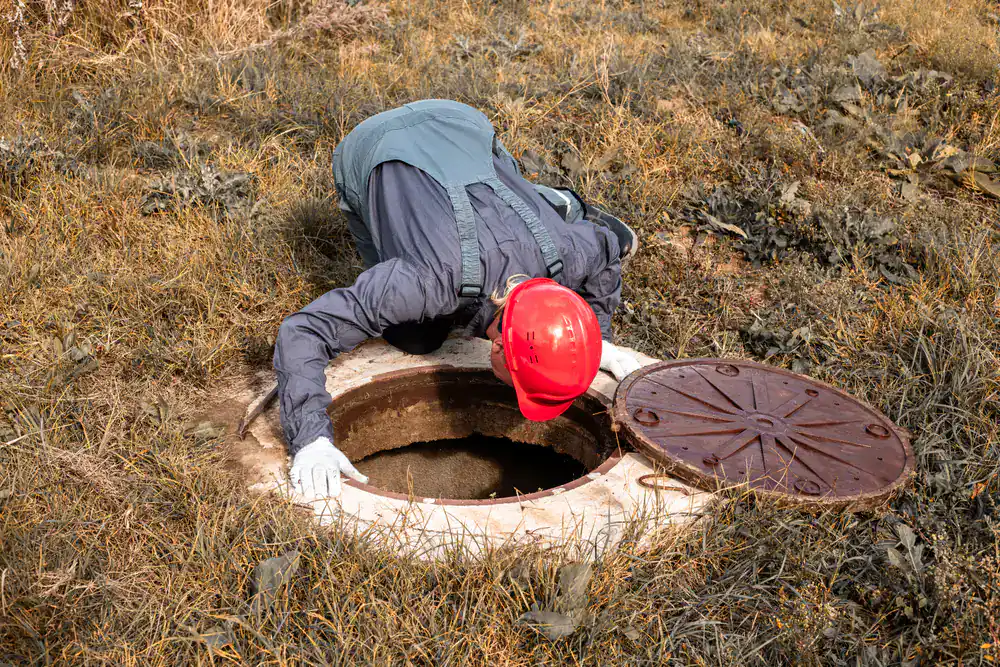
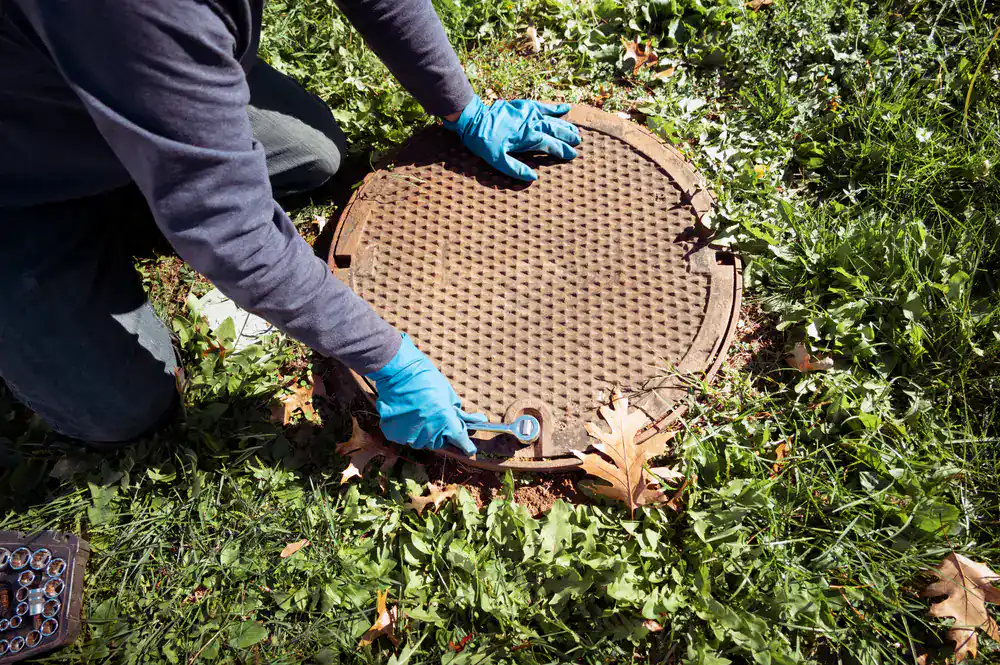
It starts with a site assessment. Before any work is quoted or scheduled, we evaluate the property soil conditions, existing system location, lot size, and proximity to water. In Hampton Bays, that last factor carries real weight. Coastal soil and high water tables in bayfront neighborhoods can affect system design significantly, and sometimes require engineered solutions like pressurized shallow drainfields rather than a standard gravity-fed setup. That assessment shapes everything that follows.
From there, permitting begins. Installing a septic system in Hampton Bays means filing with the Suffolk County Department of Health Services under Article 6 of the Suffolk County Sanitary Code. If you’re pursuing an I/A OWTS installation which Southampton Town now requires for many renovation projects in the area there’s also the Suffolk County Septic Improvement Program application, and separately, the Southampton Town Community Preservation Fund rebate application at their office right on West Montauk Highway. We manage that paperwork. You don’t need to decode three different bureaucracies on your own.
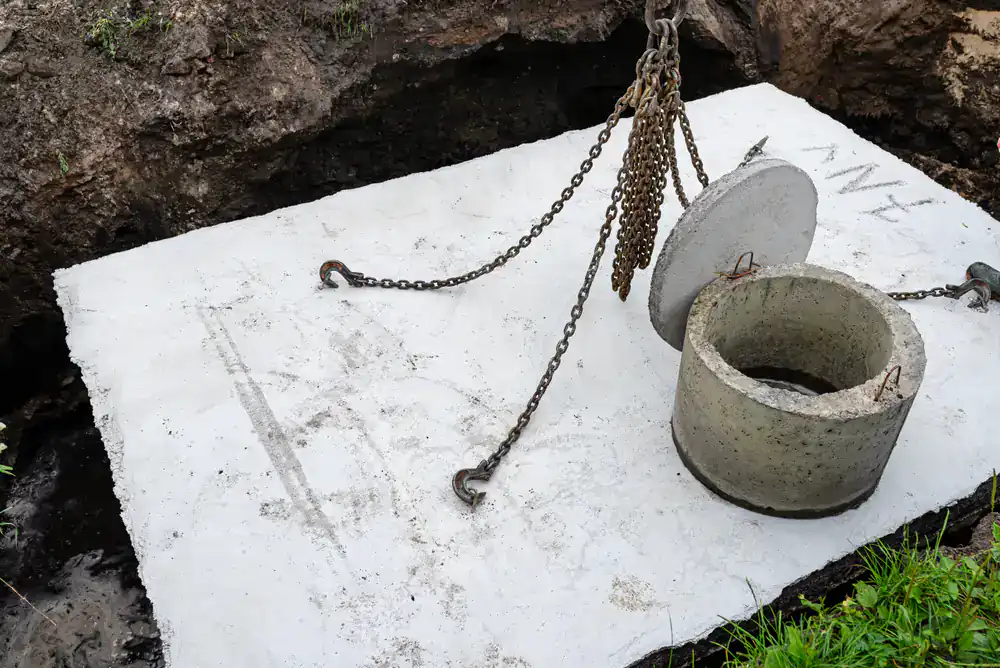
Once permits are in hand, installation moves quickly. Most residential jobs are completed in a single day of active work. The old system gets properly abandoned pumped, documented, and filled and the new system goes in. The yard gets restored. Post-installation, the SCDHS inspection gets coordinated. If your new system is an I/A OWTS, it will require an annual maintenance contract, and we’ll walk you through what that looks like before the job is done.
Ready to get started?
Septic system installation in Hampton Bays covers more ground than it does in most of Suffolk County. We handle the full scope site evaluation, soil assessment, system design, permit filing, excavation, installation, old system abandonment, and post-installation documentation. No hand-offs to a third party for permitting, no gaps in the process where something falls through.
For properties in Hampton Bays that require an I/A OWTS nitrogen-reducing system which applies to new construction, major renovations, and properties in Southampton Town’s CPF High Priority Area the installation includes system selection from SCDHS-approved models, proper sizing for the property’s design flow, and coordination with the Town of Southampton’s rebate program. The Southampton Town rebate of up to $20,000 is separate from the Suffolk County and New York State SIP grants, and it requires its own application timeline. Work with a contractor who doesn’t know that program exists and you’re leaving real money behind.
For second-home and seasonal properties in Hampton Bays and there are many the system design also accounts for the dormancy-and-surge pattern that accelerates failure in older cesspools. A system built for seasonal use handles the transition from a quiet winter to a full house in summer without putting the property at risk. That’s the kind of local detail that makes the difference between a system that lasts and one that fails on the first weekend of July.