
By submitting you consent to receive service-related texts from Drastic Drainage. Reply STOP to opt out. Msg & data rates may apply. Consent not required to book service.
Useful Links
Most Hampton Bays homeowners don’t find out their cesspool is in trouble because of a backup in the house. They find out when a rental guest calls at 9 PM on a Saturday, or when a home inspector flags something two weeks before closing. By then, the window for a simple fix has usually closed.
The sandy coastal soil throughout Hampton Bays is the reason this catches people off guard. Waste drains through it quickly, so there’s no slow drain, no obvious smell, no warning sign — just effluent moving fast toward Shinnecock Bay or Tiana Bay with almost nothing filtering it along the way. Your system can look fine from the surface and be quietly failing underground.
That changes when you actually know what’s going on down there. A professional assessment — including video camera inspection when needed — tells you the real condition of your system before it forces the issue. Whether you’re managing a year-round home, a seasonal property, or a short-term rental near the Ponquogue corridor, knowing where your cesspool stands gives you options. Waiting until it fails takes them away.
The standard recommendation for a residential cesspool is roughly every one to three years, but that assumes relatively consistent household use. If you’re renting your Hampton Bays property during the summer season — even for just eight to twelve weeks — the load on your system during those months can be two to three times what it handles the rest of the year. A house that normally runs on a three-person household rhythm can see eight or ten people cycling through during peak rental season, and cesspools don’t have a way to compensate for that surge.
For rental properties in Hampton Bays, it’s worth having a professional assess the system before the summer season begins rather than waiting for a problem to surface mid-rental. A pre-season inspection lets you catch a system that’s approaching capacity before it becomes an emergency on a weekend when the house is full. It also gives you documentation if a tenant ever raises a concern. The cost of a routine pump-out is a fraction of what emergency service and remediation runs if the system backs up during peak season.
Not necessarily, and in Hampton Bays specifically, this is worth understanding. The sandy coastal soil throughout the hamlet drains quickly. That’s why you’re not seeing slow drains or smelling anything — the waste is moving through the soil fast. But fast percolation doesn’t mean the system is healthy. It means the effluent is traveling quickly toward the water table and, from there, toward Shinnecock Bay, Tiana Bay, or the Peconic Bay system with minimal filtration along the way.
A cesspool can be at or near capacity without producing any visible symptoms at the surface. By the time drains start slowing or you notice an odor in the yard, the system is already well past the point where simple maintenance would have handled it. The only way to know the actual condition of your cesspool is a professional inspection — and in a coastal community like Hampton Bays, where the water table sits close to the surface and the bays are right there, “it seems fine” isn’t a reliable baseline.
Since July 2019, Suffolk County has banned the installation of new conventional cesspools. If your existing system fails and requires full replacement, it cannot be swapped out for another traditional cesspool — it must be replaced with an Innovative/Alternative (I/A) advanced treatment system. These systems are more expensive upfront, but they’re also significantly better at reducing nitrogen output, which matters a great deal in a community like Hampton Bays that sits adjacent to ecologically sensitive waterways.
The cost difference is real, but so are the available programs to offset it. Through the Suffolk County Septic Improvement Program — updated by the 2024 Suffolk Water Quality Restoration Act — qualifying homeowners can receive reimbursement of up to 75% of the project cost, with a maximum of $25,000. Hampton Bays homeowners have an additional layer available through the Town of Southampton’s own I/A OWTS rebate program, administered from the Community Preservation Office on Montauk Highway. There’s also a Peconic Estuary Partnership grant that covers ongoing operations and maintenance costs for systems within the watershed. The programs stack, and navigating them correctly makes a significant difference in what you end up paying out of pocket.
Free, no-obligation estimates on cesspool, sewer, and drain work.
We get there quickly. No waiting days for a callback.
Backups don’t wait for business hours. Neither do we.
Fully licensed and insured across Long Island.
Up-to-date trucks and tools for cleaner, faster jobs.
Straight quotes, no surprises on the bill.
Hear from Our Customers
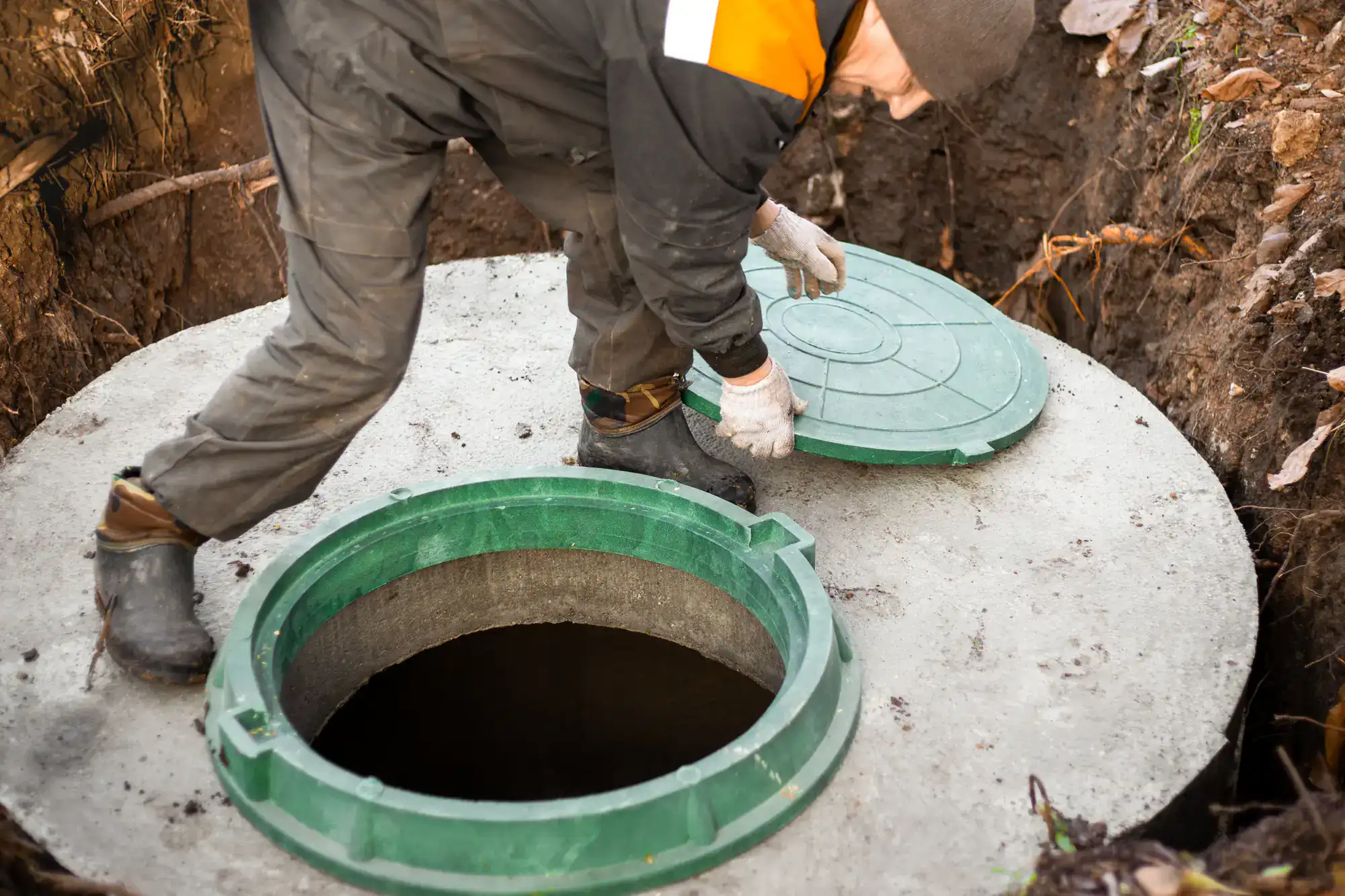
Most Hampton Bays homeowners don’t find out their cesspool is in trouble because of a backup in the house. They find out when a rental guest calls at 9 PM on a Saturday, or when a home inspector flags something two weeks before closing. By then, the window for a simple fix has usually closed.
The sandy coastal soil throughout Hampton Bays is the reason this catches people off guard. Waste drains through it quickly, so there’s no slow drain, no obvious smell, no warning sign — just effluent moving fast toward Shinnecock Bay or Tiana Bay with almost nothing filtering it along the way. Your system can look fine from the surface and be quietly failing underground.
That changes when you actually know what’s going on down there. A professional assessment — including video camera inspection when needed — tells you the real condition of your system before it forces the issue. Whether you’re managing a year-round home, a seasonal property, or a short-term rental near the Ponquogue corridor, knowing where your cesspool stands gives you options. Waiting until it fails takes them away.
Drastic Drainage Long Island has been serving Nassau and Suffolk County for over 30 years. That experience matters because Long Island’s cesspool landscape is genuinely specific — and Hampton Bays sits in one of the most demanding zones on the island.
The sandy soil, the high water table near the bays, the seasonal rental load, and the proximity to ecologically sensitive waterways create conditions that don’t mirror inland Suffolk County communities. Hampton Bays sits inside Southampton Town, which means cesspool replacements here involve a different set of programs and permit requirements than you’d deal with in Brookhaven or Islip. The Town of Southampton runs its own I/A OWTS rebate program — administered right on Montauk Highway in Hampton Bays — layered on top of the county and state grant programs. Knowing how those programs stack, what qualifies, and how to navigate the paperwork is part of what we bring to the table.
We’re licensed (LW-63684), insured, and bonded. When you call, a real person picks up.
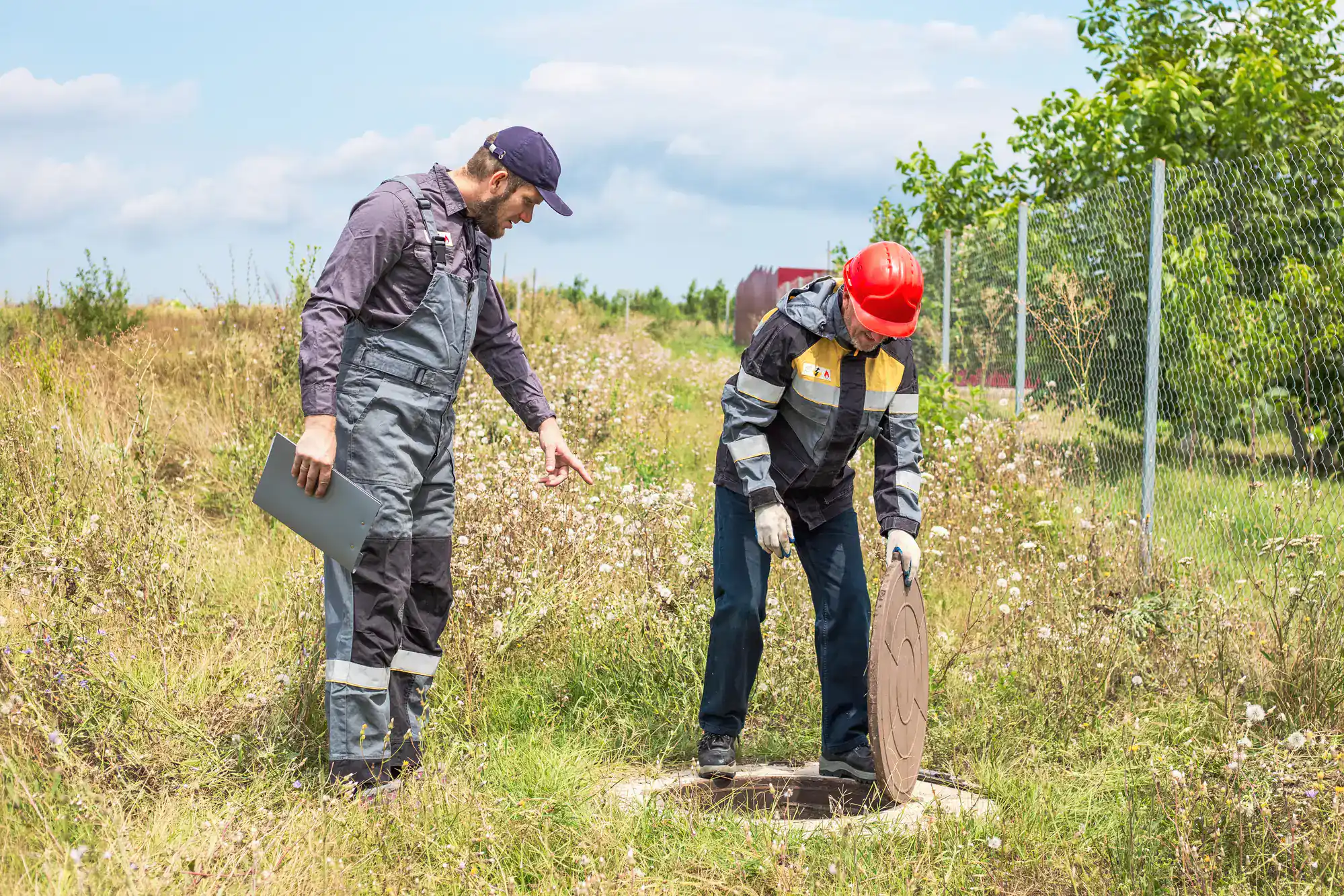
When you call Drastic Drainage Long Island, you reach a real person — not a voicemail, not an answering service. You describe what’s going on, and we give you a straight answer about timing and what to expect. For emergency situations, we move fast. For scheduled service, we confirm a window and show up in it.
When we arrive, the first step is figuring out exactly what you’re dealing with. For many Hampton Bays properties — especially homes built between the 1970s and 1990s — the cesspool access point is buried with no visible cover. We locate the system first, which saves you from unnecessary digging and gives us an accurate starting point. If the situation calls for a closer look underground, we use waterproof camera equipment to inspect the pipe and assess the condition of the system before any excavation happens.
From there, the work depends on what we find. Routine pumping and cleaning is straightforward. Repairs to leaching pools, main sewage lines, or house traps get handled directly. If the system has failed and replacement is required — which under current Suffolk County law means an I/A advanced treatment system, not another conventional cesspool — we walk you through what that involves, including the grant programs available to Hampton Bays homeowners through the county, state, and Southampton Town. You get a free estimate before any work begins, and the price we quote is the price you pay.

Ready to get started?
Cesspool services in Hampton Bays aren’t one-size-fits-all, and the work we do reflects that. The combination of sandy coastal soil, a high water table near the bays, aging housing stock, and seasonal rental loads creates a range of issues that don’t show up the same way they do in inland Suffolk County communities.
For routine maintenance, that means cesspool pumping and cleaning on a schedule that accounts for how hard Hampton Bays systems actually work — not just the standard calendar recommendation. If you’re running a short-term rental near Tiana Beach or Ponquogue, your system is under a different kind of pressure than a year-round household, and the maintenance interval should reflect that. For repairs, we handle leaching pool service, main sewage line cleaning and replacement, house trap replacements, storm drain cleaning, and drywell cleaning. For properties with no visible cesspool access, we locate the system before anything else happens.
We also handle real estate certifications — the inspections and documentation required for property transfers in Suffolk County. In a market where Hampton Bays home values have climbed significantly, a missed or delayed certification can disrupt a closing. We do this in-house, on your timeline. And for any property facing a system replacement, we’re familiar with the layered grant programs — Suffolk County, New York State, and the Southampton Town I/A OWTS rebate program — that can meaningfully offset the cost of an advanced treatment system installation.
