Useful Links
Other Services we provide in Hampton Bays
The standard guidance for residential cesspools on Long Island is every one to three years, depending on household size and system capacity. But that range assumes relatively consistent, year-round use. If you’re renting your Hampton Bays home during the summer even for just eight to twelve weeks you’re compressing a full year’s worth of usage into a fraction of the time, often with significantly more occupants than the system was designed for.
A realistic approach for rental property owners in Hampton Bays is to pump before the season starts and have the system assessed again after Labor Day. That way you know what condition the system is in going into peak occupancy, and you’re not discovering a problem when a tenant calls you from the property in July. The cost of a scheduled pump-out typically $200 to $500 for a standard residential system in Suffolk County is a straightforward expense compared to the cost of an emergency call during peak season or a repair that sidelines the property mid-rental.
The most obvious signs are slow drains throughout the house not just one fixture, but multiple at once gurgling sounds coming from toilets or drains, sewage odors inside the home or near the yard, and wet or unusually green patches of grass above where the system sits. Any of these on their own is worth a call. All of them together means the system is already in distress.
In Hampton Bays specifically, the coastal water table adds a layer of complexity. After a significant nor’easter or a period of heavy rain, the water table rises quickly in low-lying areas near Shinnecock Bay and Peconic Bay. That can push a system that was borderline into active backup territory faster than you’d expect. If you notice symptoms shortly after a major storm, don’t wait to see if they resolve on their own they typically don’t, and the longer a saturated system sits, the more stress it puts on the surrounding soil and the leaching field.
They’re different, and the distinction matters more than most people realize. Pumping removes the liquid waste and the floating solids sitting at the top of the system. It’s the most common service and what most homeowners mean when they say they “got the cesspool done.” Cleaning goes deeper it involves removing the hardened sludge that accumulates along the bottom and walls of the chamber over time, material that doesn’t come out during a standard pump-out.
For a system that’s been in regular service and pumped on schedule, pumping alone is often sufficient. But for older Hampton Bays systems particularly in the mid-century cottages and converted seasonal homes that make up a significant portion of the housing stock here years of intermittent or inconsistent service can leave a substantial buildup that pumping alone won’t address. If you’re not sure what your system has actually received over its history, a cleaning gives you a true reset and a clearer picture of the system’s structural condition going forward.
What typically happens is that the system backs up into the house sewage coming up through floor drains, toilets that won’t flush, or standing water in the yard directly above the cesspool. By that point, you’re no longer dealing with a maintenance call. You’re dealing with an emergency service call, which costs significantly more than a scheduled pump-out, and potentially with property damage that goes beyond the cesspool itself.
The financial math is straightforward. A routine cesspool pump-out in Suffolk County runs $200 to $500 for most residential systems. Emergency repair work runs well beyond that, and a full system replacement which in Southampton Town now requires an Innovative and Alternative Onsite Wastewater Treatment System can run $20,000 to $40,000 or more. New York State also carries fines of $250 to $2,000 for missed pump-outs or compliance failures. For Hampton Bays property owners, there’s also the rental income angle: a cesspool failure during peak summer season doesn’t just cost you a repair bill it can cost you the rental, the relationship with the tenant, and potentially a health code issue.
This is more common in Hampton Bays than people expect. A large portion of the hamlet’s housing stock was built in the 1940s, 1950s, and 1960s as seasonal cottages properties that changed hands multiple times, were converted from summer use to year-round occupancy, and often have no documentation of where the original cesspool was installed or when it was last serviced. If you bought an older Hampton Bays home and there was no cesspool record at closing, you’re in good company.
We specifically handle hard-to-find cesspools it’s not a situation that sends the crew back to the truck. Locating a buried, undocumented system is part of the job. The process typically involves probing the yard in the areas where a system would logically have been installed based on the home’s age, layout, and plumbing configuration. Once it’s located, the cover is exposed, the system is accessed, and service proceeds normally. You’ll also end up with a documented location going forward, which is useful for every future service call and for any eventual property sale.
Yes, and Hampton Bays homeowners should know about this before any replacement work is needed. Southampton Town enacted its own Innovative and Alternative Onsite Wastewater Treatment System requirement effective September 1, 2017 nearly two years before Suffolk County’s county-wide ban on new conventional cesspool installation took effect on July 1, 2019. What this means practically is that if your Hampton Bays cesspool ever needs to be replaced rather than repaired, the replacement system must meet I/A OWTS standards under both town and county rules.
This doesn’t affect routine pumping or cleaning those services proceed normally under existing Suffolk County Article VII licensing requirements, which include the LILWA certification that qualified cesspool contractors carry. But if a pump-out reveals that your system is failing structurally and needs to be replaced, you want a contractor who already understands the local regulatory landscape and can walk you through the replacement process without learning the rules on your dime. The Hampton Bays Water District’s active water restriction status reflects how seriously this community takes groundwater protection and it’s the same underlying reason Southampton Town moved on cesspool standards ahead of the rest of the county.
Hear from Our Customers
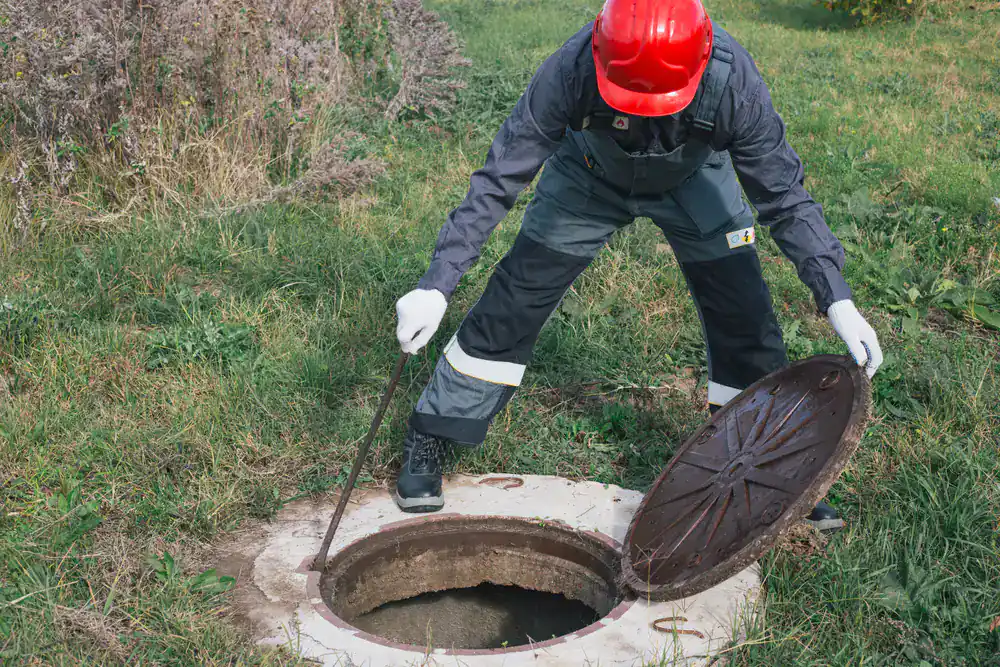
If you rent your Hampton Bays home during the summer, your cesspool is quietly absorbing the workload of a household it was never sized to handle. A system designed for two or three year-round residents doesn’t automatically adjust when eight people are running showers, doing laundry, and using the bathrooms every day for twelve consecutive weeks.
By the time you notice a slow drain or a smell coming up from the yard, the system has already been struggling for weeks. Getting your cesspool pumped before the season starts and knowing what condition it’s in afterward means you’re not fielding an emergency call from a tenant on a Saturday in July. Your rental income stays intact, your property stays protected, and you’re not scrambling to find someone who can come out same-day during the busiest stretch of the Hamptons calendar.
For year-round Hampton Bays residents, the stakes are different but just as real. The sandy coastal soil here doesn’t hold waste the way inland soil does effluent moves fast through it, toward Shinnecock Bay and Peconic Bay. Staying on a reasonable pumping schedule isn’t just about avoiding a backup. It’s about protecting the water quality your town has been working to address for years.
We’ve been working on Nassau and Suffolk County cesspool and drainage systems for over 30 years. That means our technicians have seen the specific conditions that come with Hampton Bays’ older housing stock, its coastal water table, and the undocumented systems common in mid-century cottages built long before anyone kept thorough records.
We’re family-owned and based in Suffolk County. When you call, a real person answers not a voicemail. Technicians like George, Mike, and Lucas have been named by real customers in real reviews for being prompt, thorough, and straightforward about what they found and what was done. That matters when you’re handing someone access to your property, especially if you’re managing it from off the Island.
We handle the full scope: routine pumping, cesspool cleaning, drain service, and full system installation. One company, one call, no handoffs.
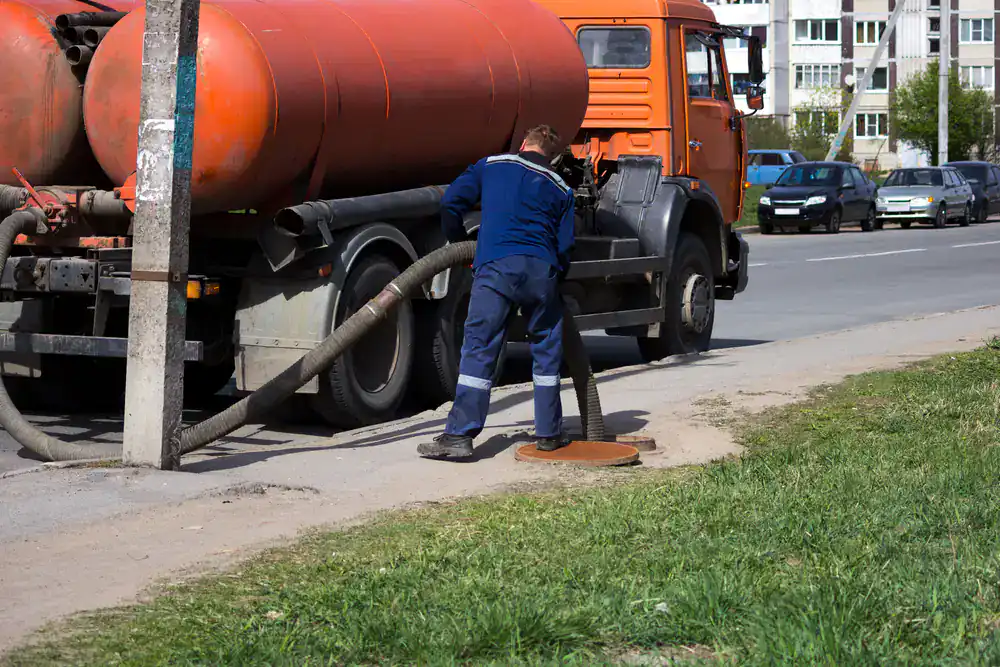
It starts with a phone call, and someone picks up. You describe what’s going on whether it’s a scheduled pump-out, a slow drain you’ve been ignoring, or something more urgent and you get a straight answer about timing and what to expect.
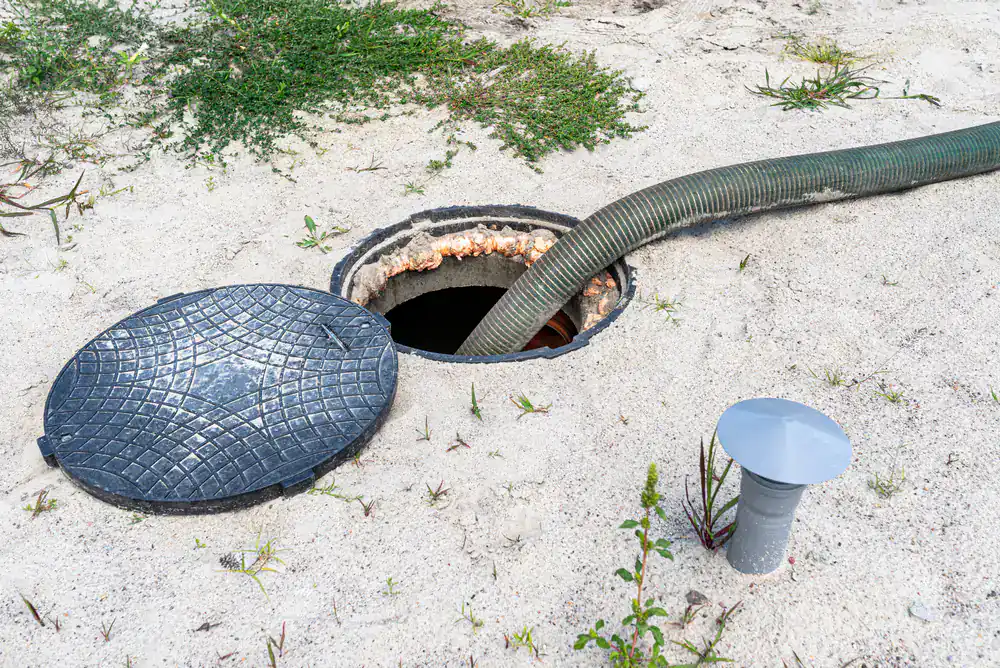
When our crew arrives, the first step is locating the cesspool access point. For a lot of Hampton Bays properties particularly older homes along the bay side or the cottages closer to Good Ground Road that have changed hands multiple times there’s no clear record of where the cover is buried. We specifically handle hard-to-find cesspools, so if you don’t know where yours is, that’s not a problem that sends the truck home.
Once access is established, we pump the system down fully. Our technician checks what’s going on inside sludge levels, any signs of structural concern, how the system is draining. You get a clear picture of where things stand and what, if anything, needs attention. For Hampton Bays homeowners managing a rental property, this is also when it makes sense to talk about frequency because a home that runs at full capacity from June through August needs a different pumping schedule than one with two year-round residents.
Southampton Town’s I/A OWTS requirements also apply if your system ever needs replacement, and we can walk you through what that means before it becomes urgent.
Ready to get started?
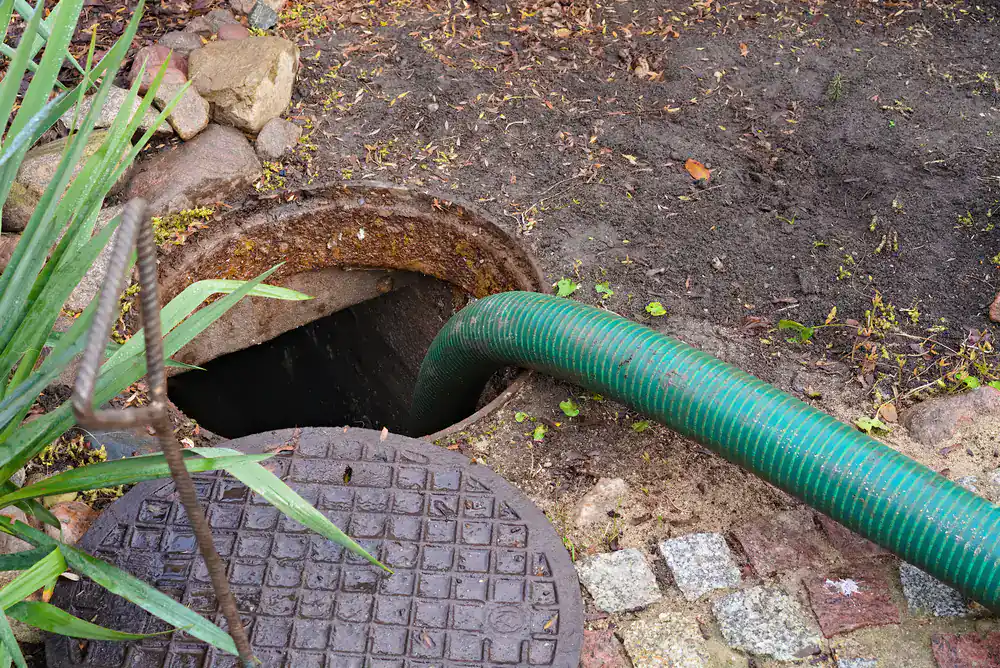
Cesspool pumping and cesspool cleaning are not the same thing, and it’s worth understanding the difference before you book. Pumping removes the liquid and floating solids from the system. Cleaning goes further it addresses the hardened sludge that builds up along the walls and floor of the chamber over time.
Many homeowners have been getting pumped for years and don’t realize they’ve never had a true cleaning. For older Hampton Bays systems that have been through decades of seasonal overuse, that distinction matters. We provide both pumping and cleaning, along with drain cleaning, septic pumping, and full system installation for residential and commercial properties across Nassau and Suffolk Counties.
For commercial properties in Hampton Bays restaurants, marinas, rental complexes along the Montauk Highway corridor cesspool service needs run on a different schedule than a single-family home, and we handle both.
One thing that comes up regularly in this area is the documentation gap. If you bought an older Hampton Bays home and never received a cesspool maintenance record at closing, you’re not unusual. Many properties here especially those that spent decades as seasonal rentals before becoming year-round homes have no paper trail. We can establish a baseline: locate the system, pump it, document its condition, and give you something concrete to work from going forward.
That record also matters when it’s time to sell. Suffolk County health departments track cesspool maintenance history, and buyers in a market where median property values sit around $735,400 are going to ask.