By submitting you consent to receive service-related texts from Drastic Drainage. Reply STOP to opt out. Msg & data rates may apply. Consent not required to book service.
Useful Links
A properly installed cesspool system means no more wet spots creeping across your lawn in spring, no more sewage smell drifting through the yard after a heavy rain, and no more wondering whether the system that came with your 1960s Lake Ronkonkoma ranch house is still holding together. You get a system that works quietly in the background the way it should.
For homes in Lake Ronkonkoma specifically, the stakes are higher than most places on Long Island. Lake Ronkonkoma is a water-table lake, meaning it sits at the level of the surrounding groundwater. When a cesspool in the neighborhood is leaking, that nitrogen doesn’t disappear it moves through the soil and into the same water that feeds the lake. The county has closed the lake to swimmers more than once because of contamination tied directly to aging systems in the surrounding neighborhoods. A compliant, properly engineered installation removes your property from that equation.
Beyond the environmental piece, there’s the financial one. With median home values in Lake Ronkonkoma approaching $640,000 to $699,000, a cesspool that fails a home inspection or an installation that wasn’t permitted correctly can cost you far more than the job itself. Getting it done right the first time protects your property, your equity, and your standing with the Suffolk County Department of Health Services.
No and this catches a lot of homeowners off guard. Suffolk County banned cesspool-only replacements effective July 1, 2019. If your existing system fails and needs to be replaced, the new installation must include at minimum a septic tank preceding the leaching structure. You cannot simply swap one cesspool for another, regardless of what a contractor might tell you.
For properties in Lake Ronkonkoma specifically, this matters even more than in some other parts of Suffolk County. The lake’s watershed has been designated a nitrogen priority area by the county, which means regulatory scrutiny of wastewater systems in this community is heightened. Installing a non-compliant system here isn’t just a code violation it can result in fines, mandatory redo work, and potential issues with your certificate of occupancy. If new construction is involved, the requirement escalates further: any new single-family home built after July 1, 2021 must have an I/A OWTS nitrogen-reducing system installed. Drastic Drainage Long Island stays current on every regulatory change so your installation is compliant from day one.
Honestly, you often can’t tell from the outside and that’s exactly why a proper site assessment matters before any money changes hands. Slow drains, gurgling toilets, wet spots in the yard, and sewage odor are all signs something is wrong, but none of them tell you whether the fix is a ring replacement, a new leaching pool, or a full system overhaul. That determination requires someone to actually evaluate the system.
In Lake Ronkonkoma, the high water table adds a layer of complexity that isn’t present everywhere on Long Island. Because the lake sits at the level of the surrounding groundwater, the effective depth of leaching pools in this area can be limited meaning a system that looks functional on the surface may be struggling to absorb and treat effluent properly. Older homes in the area, particularly those built in the 1950s through 1970s, often have systems that are operating well past their 30 to 40 year design lifespan. A free estimate from Drastic Drainage Long Island is a diagnostic conversation, not a sales pitch. We tell you what the system actually needs repair if that’s sufficient, replacement if it’s warranted.
The installation itself once permits are approved typically takes one to five days for a residential property, depending on the system type and site conditions. A straightforward leaching pool replacement on a standard lot moves faster than a full I/A OWTS installation on a property with tight access or mature landscaping.
What adds time is the permit process, which is required for all cesspool work in Suffolk County. SCDHS permit applications require engineered plans, soil testing results, and documentation of setback distances. Processing generally takes two to four weeks. In the Lake Ronkonkoma area, where the watershed carries a nitrogen priority designation, it’s worth building that timeline into your planning rather than assuming you can start work immediately. If you’re dealing with a system that’s already failing, that’s a conversation to have early emergency situations can sometimes be addressed while the permit process moves forward, but that depends on the specific circumstances. Call us and we’ll give you a straight answer about your timeline.
An Innovative and Alternative Onsite Wastewater Treatment System I/A OWTS for short is a nitrogen-reducing wastewater system that treats effluent before it reaches the soil. Where a conventional cesspool releases nitrogen almost directly into the ground, an I/A OWTS removes 70 to 90 percent of that nitrogen before it gets there. That’s a significant difference in a community like Lake Ronkonkoma, where residential cesspool discharge has been directly linked to the algal blooms that have closed the lake to swimmers.
Whether you’re required to install one depends on your situation. New single-family construction in Suffolk County since July 1, 2021 requires an I/A OWTS. For existing homes replacing a failed system, the current minimum is a septic tank preceding the leaching structure but I/A OWTS systems may be encouraged or required depending on the property’s location within the Lake Ronkonkoma watershed. The good news is that Suffolk County’s Septic Improvement Program currently offers grants of up to $45,000 combined State and County funding for eligible I/A OWTS installations. That program is first-come, first-served, and the funding won’t last indefinitely. Drastic Drainage Long Island can walk you through your eligibility when you call.
Almost certainly yes and you’re not alone in not knowing where it is. The majority of Lake Ronkonkoma’s housing stock was built during the postwar suburban boom of the 1950s through the 1970s. Cesspool mapping and record-keeping weren’t standard practice then, and many homeowners who bought these properties decades later inherited a system with no documentation no location map, no service history, no installation date.
This is one of the more common situations we deal with in central Suffolk County. Drastic Drainage Long Island specializes in locating hard-to-find cesspools, which is a real skill set that saves homeowners from unnecessary excavation and guesswork. The process involves a combination of site assessment, probing, and local knowledge of how systems were typically positioned on lots of a given era. If your home is more than 40 years old and you have no record of the cesspool ever being serviced or replaced, there’s a reasonable chance the system is operating well past its intended lifespan often without any obvious warning signs until it fails. A free estimate call is the right first step.
Because it usually is and the reason is specific to how this community sits geographically. Lake Ronkonkoma is a water-table lake, meaning the lake’s surface level reflects the surrounding groundwater level. In spring, after snowmelt and heavy rainfall, that water table rises. When the water table rises, the effective absorption capacity of aging leaching pools drops the soil is already saturated and has less room to accept effluent. Systems that were managing fine through the winter suddenly start showing signs of failure: slow drains, wet spots in the yard, sewage smell surfacing near the tank area.
The county has also documented repeated instances of elevated bacteria levels at Lake Ronkonkoma following heavy rainfall events, which reflects what’s happening underground older systems getting overwhelmed and discharging into the groundwater that feeds the lake. This is why spring is both the busiest season for cesspool service calls in this area and the most important time to act if you’ve been putting off an assessment. Waiting until the system completely fails means emergency pricing, no time to compare options, and no ability to apply for grant funding that could offset a significant portion of the installation cost.
Free, no-obligation estimates on cesspool, sewer, and drain work.
We get there quickly. No waiting days for a callback.
Backups don’t wait for business hours. Neither do we.
Fully licensed and insured across Long Island.
Up-to-date trucks and tools for cleaner, faster jobs.
Straight quotes, no surprises on the bill.
Hear from Our Customers
A properly installed cesspool system means no more wet spots creeping across your lawn in spring, no more sewage smell drifting through the yard after a heavy rain, and no more wondering whether the system that came with your 1960s Lake Ronkonkoma ranch house is still holding together. You get a system that works quietly in the background the way it should.
For homes in Lake Ronkonkoma specifically, the stakes are higher than most places on Long Island. Lake Ronkonkoma is a water-table lake, meaning it sits at the level of the surrounding groundwater. When a cesspool in the neighborhood is leaking, that nitrogen doesn’t disappear it moves through the soil and into the same water that feeds the lake. The county has closed the lake to swimmers more than once because of contamination tied directly to aging systems in the surrounding neighborhoods. A compliant, properly engineered installation removes your property from that equation.
Beyond the environmental piece, there’s the financial one. With median home values in Lake Ronkonkoma approaching $640,000 to $699,000, a cesspool that fails a home inspection or an installation that wasn’t permitted correctly can cost you far more than the job itself. Getting it done right the first time protects your property, your equity, and your standing with the Suffolk County Department of Health Services.
Drastic Drainage Long Island is a family-owned, fully licensed, insured, and bonded cesspool company based in West Babylon, NY about 10 to 12 miles from Lake Ronkonkoma via Veterans Memorial Highway. We hold Suffolk County Liquid Waste License #LW-63684, which is publicly verifiable through Suffolk County Consumer Affairs. That license isn’t a formality it’s a legal requirement for anyone doing cesspool work in this county, and not every company you’ll find online actually has one.
We’ve been working across Nassau and Suffolk Counties for over 30 years. That means we know the soil conditions around communities like Lake Ronkonkoma, where the high water table and proximity to the lake affect how systems need to be designed and installed. We also specialize in locating cesspools that haven’t been touched in decades a common situation in the area’s older postwar housing stock where records were never kept. If you don’t know where your system is or when it was last serviced, that’s exactly the kind of call we handle every week in this neighborhood.

It starts with a site evaluation. Before anything gets dug up, we assess your property soil conditions, existing system location, setback distances from property lines and any water features and give you a clear, written estimate. No vague numbers over the phone that balloon once the truck arrives. You know what you’re paying before we break ground.
From there, we handle the permit application with the Suffolk County Department of Health Services. This is a step a lot of homeowners don’t think about, but it’s not optional. Every cesspool installation and replacement in Suffolk County requires an SCDHS permit, and in the Lake Ronkonkoma watershed which the county has designated as a nitrogen priority area permit submissions include engineered plans, soil testing results, and documented setback distances. Permit processing typically takes two to four weeks. We manage that process so you don’t have to.
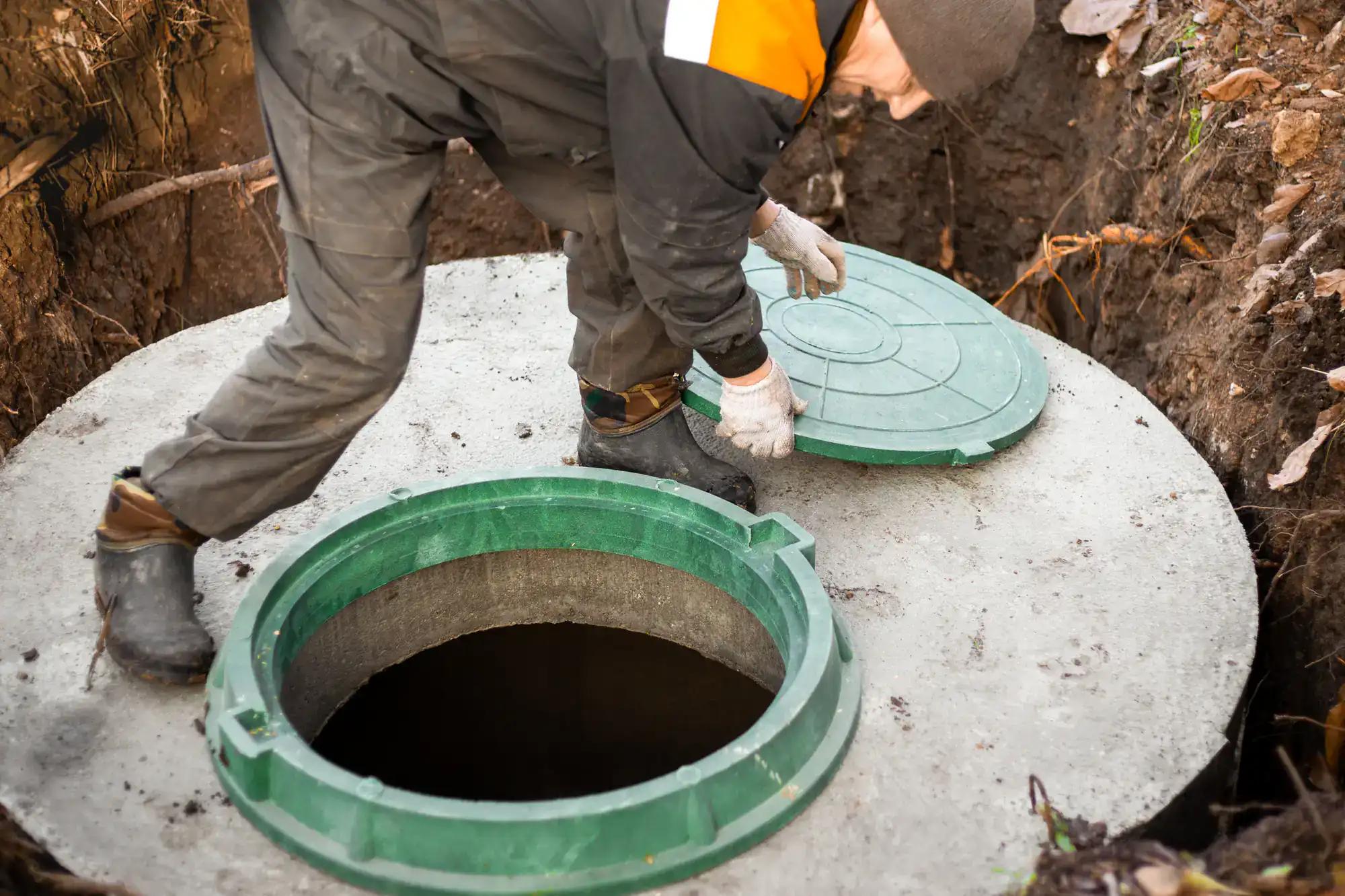
Once permits are in hand, the installation itself moves quickly. Most residential jobs take one to five days depending on system complexity and site conditions. Our crew handles excavation, tank installation, leaching pool setup, connection to your home’s sewer line, backfill, and site restoration start to finish, one team. After the work is done, we coordinate the final SCDHS inspection. When that inspection clears, your system is compliant, documented, and ready to go.
Ready to get started?
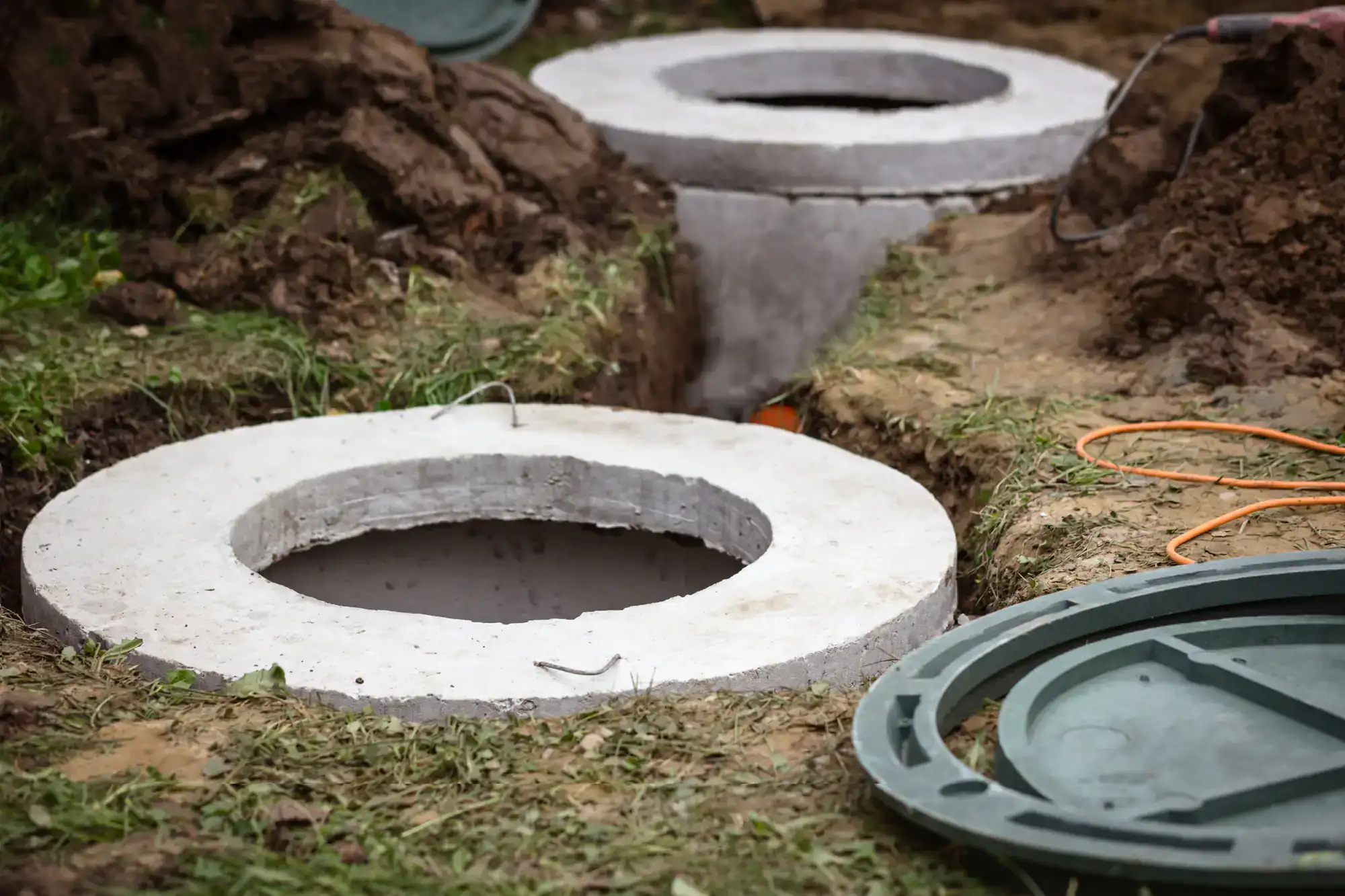
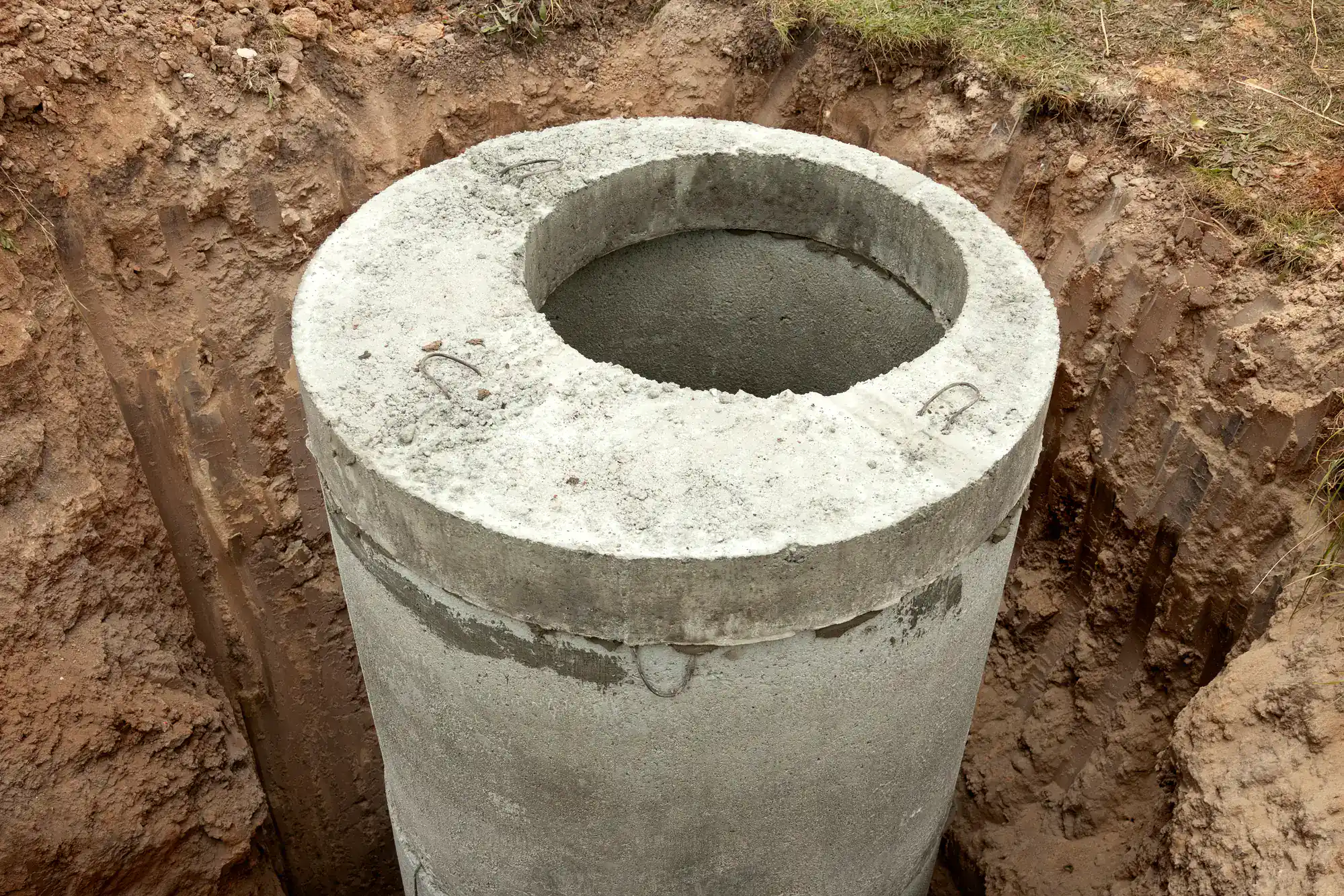
Cesspool installation in Lake Ronkonkoma today is not what it was twenty years ago. Since July 1, 2019, Suffolk County has prohibited replacing a cesspool with another cesspool. Any replacement system must include at minimum a septic tank preceding the leaching structure. For new construction since July 1, 2021, the requirement steps up further nitrogen-reducing Innovative and Alternative Onsite Wastewater Treatment Systems, known as I/A OWTS, are now mandated. These systems remove 70 to 90 percent of nitrogen before effluent reaches the soil, compared to near-zero removal from a conventional cesspool. Given that Lake Ronkonkoma’s watershed is specifically named in Suffolk County’s nitrogen priority waters plan, these systems are particularly relevant here.
What we install covers the full scope of what your property and the current regulations require: new cesspool and septic system installations, leaching pool and drywell installation, cesspool ring replacement, and complete system replacements from excavation through final setup. We handle both residential and commercial properties throughout Suffolk County.
One thing worth knowing: if your property qualifies for an I/A OWTS installation, Suffolk County’s Septic Improvement Program currently offers combined State and County grants of up to $45,000 for eligible homeowners. That funding is first-come, first-served. We can walk you through what the program covers and what your installation would look like under it just ask when you call for your free estimate.