
Useful Links
Other Services we provide in Lake Ronkonkoma
The standard guidance for Suffolk County cesspools is every one to three years, but for properties in and around Lake Ronkonkoma, the more conservative end of that range is usually the right call. The reason is specific to this area: Lake Ronkonkoma is a groundwater lake, meaning its water level directly reflects the local water table. When the table rises which happens seasonally in spring and after significant rainfall it reduces the drainage capacity of cesspool leaching fields throughout the watershed.
Systems fill faster here than they would in a community with deeper groundwater. For homes near the lake shoreline, we recommend pumping every one to two years rather than the standard one to three. The age of your system matters too. If your home was built in the 1960s or 1970s, which covers a large portion of Lake Ronkonkoma’s housing stock, the cesspool has been in the ground for decades and may have a reduced effective capacity compared to when it was installed. Pumping more frequently is a straightforward way to stay ahead of seasonal pressure and avoid the kind of backup that turns a scheduled service into an emergency.
For a standard residential pump-out in Suffolk County, you’re generally looking at $200 to $500 depending on tank size, how accessible the cover is, and how full the system is when our crew arrives. A 1,000-gallon tank typically runs $225 to $400. A 2,000-gallon tank runs $400 to $600 or more. Emergency calls the kind that happen when something has already backed up carry a significant premium over a scheduled service.
In Lake Ronkonkoma specifically, first-time service on an older home where the cesspool location isn’t documented may also involve a tank location fee, typically in the $75 to $150 range, before pumping begins. That’s not a surprise charge if you know to expect it and it’s worth asking about upfront when you call. The bigger cost risk in this market isn’t the service itself; it’s delaying the service until you’re dealing with a backup or a system failure, at which point you’re looking at repair costs that can run into the thousands, or a full system replacement that starts at $20,000 and goes up from there.
Yes, and this is one of the most common misconceptions in the cesspool service market. By the time you notice symptoms slow drains, a sewage smell coming through the vents, standing water in the yard, gurgling sounds from the toilet the system is already in distress. The cesspool doesn’t send you a warning before it fails. It just fails.
The threshold that actually matters isn’t whether things seem fine from inside the house. It’s whether the accumulated sludge and scum in the tank have reached the point where they’re blocking the outlet or reducing the leaching field’s ability to drain. You can’t see that from your kitchen. In Lake Ronkonkoma, where the water table fluctuates seasonally and older systems are common, a cesspool that looks and smells fine in October can be overwhelmed by spring. Pumping on a regular schedule before you have a problem is always cheaper, less disruptive, and less stressful than pumping in response to one.
They’re related but not the same. Pumping removes the liquid waste and floating solids from the tank it’s the core of what most service calls involve. Cleaning goes further and addresses the hardened sludge that accumulates along the walls and bottom of the tank over time. That material doesn’t get removed by pumping alone, and if it builds up enough, it reduces the effective volume of the system and can eventually cause the outlet to clog.
For a relatively new system that’s been serviced regularly, a pump-out is usually sufficient. For an older system and many Lake Ronkonkoma homes have cesspools that are 50 or more years old a more thorough cleaning may be what’s actually needed to restore proper function. The distinction matters because some companies offer one and call it the other. When you call us, it’s worth asking specifically what the service includes so you know exactly what you’re getting and what condition the system is in afterward.
The most obvious signs are slow drains throughout the house not just one fixture, but multiple combined with gurgling sounds from the toilet or drains when water is running elsewhere. A sewage smell coming from your drains or from the yard above the cesspool is another clear indicator. If you’re seeing wet or unusually green patches of grass over the leaching field area, that’s a sign the system is already saturated and pushing effluent toward the surface.
In Lake Ronkonkoma, one situation worth paying attention to is post-rain drainage problems. If your drains slow down noticeably after a heavy rain or during wet spring weeks, that’s often the water table pushing back against your leaching field and it means the system has less margin than it should. A cesspool that’s already close to capacity has almost no buffer when the water table rises. If you’re noticing any of these signs, don’t wait to see if they resolve on their own. They typically don’t, and the longer the system runs in distress, the more likely you are to be dealing with a backup rather than just a slow drain.
Yes and this is more common in Lake Ronkonkoma than most homeowners realize. A significant portion of the homes in this community were built in the 1950s through 1970s, before modern documentation requirements were in place. Many of those systems were installed without records that followed the property through subsequent sales. If you bought your home from a long-time owner or an estate, there’s a real chance no one handed you a diagram showing where the cesspool is located.
We specifically call out hard-to-find cesspools as a service specialty it’s listed directly in our company profile because it’s a genuine part of what we do, not an afterthought. Locating a buried system on an older Suffolk County property requires experience with how cesspools were typically sited during that era, knowledge of local soil conditions, and the right equipment to probe and confirm the location before any digging starts. If your first call to a company results in “we can’t help if you don’t know where it is,” that’s not the right company for an older Lake Ronkonkoma home. This is exactly the kind of job where 30 years of Long Island-specific experience makes a practical difference.
Hear from Our Customers
When your cesspool is pumped on schedule, you stop reacting and start controlling the situation. No emergency calls at 7 PM after a long commute in from the city. No backing up toilets the week you’re trying to list your house. No guessing whether the smell coming through the drain is something serious or just something temporary. You just know it’s handled.
For Lake Ronkonkoma homeowners specifically, that peace of mind carries more weight than it does in most of Suffolk County. Lake Ronkonkoma is a groundwater lake no surface inlet, no outlet, just the water table made visible. When the table rises in spring or after a heavy rain, it compresses the drainage capacity of every cesspool leaching field in the watershed simultaneously. A system that’s half-full in October can behave like it’s completely overwhelmed by March.
Routine pumping before that seasonal pressure hits is the difference between a $300–$500 scheduled service and an emergency call that costs significantly more and ruins your week. Most of the homes in this community were built in the 1950s through 1970s. If your cesspool was installed back then, it’s been in the ground for 50 or more years. That’s not a reason to panic but it is a reason to stop putting off the call.
We’ve been working on Nassau and Suffolk County cesspools for over 30 years. That’s not a number pulled from a brochure it’s the kind of experience that means something when you’re dealing with a 1960s-era system buried somewhere under a backyard in Lake Ronkonkoma with no documentation, no visible cover, and no record of the last time it was serviced.
We’re family-owned and operated, based right here in Suffolk County. When you call, a real person answers. When our truck shows up, the technician explains what they’re doing and why. That’s been the consistent feedback across reviews not just that the job got done, but that our crew actually communicated throughout the process.
We explicitly specialize in locating hard-to-find cesspools. In a community like Lake Ronkonkoma where a large portion of the housing stock predates modern documentation requirements, that’s a practical skill, not a marketing line. If you’ve bought a home near Portion Road or anywhere in the Sachem school district and you genuinely don’t know where your cesspool is, that’s exactly the kind of job we’ve handled hundreds of times.
It starts with a call. You describe what you’re dealing with whether that’s a backup, an odor, a routine service you’ve been meaning to schedule, or a system you’ve never had pumped since you bought the house. From there, we set a time. We run 24/7, so if you’re catching a train out of Ronkonkoma every morning and you need an early or evening window, that’s workable.
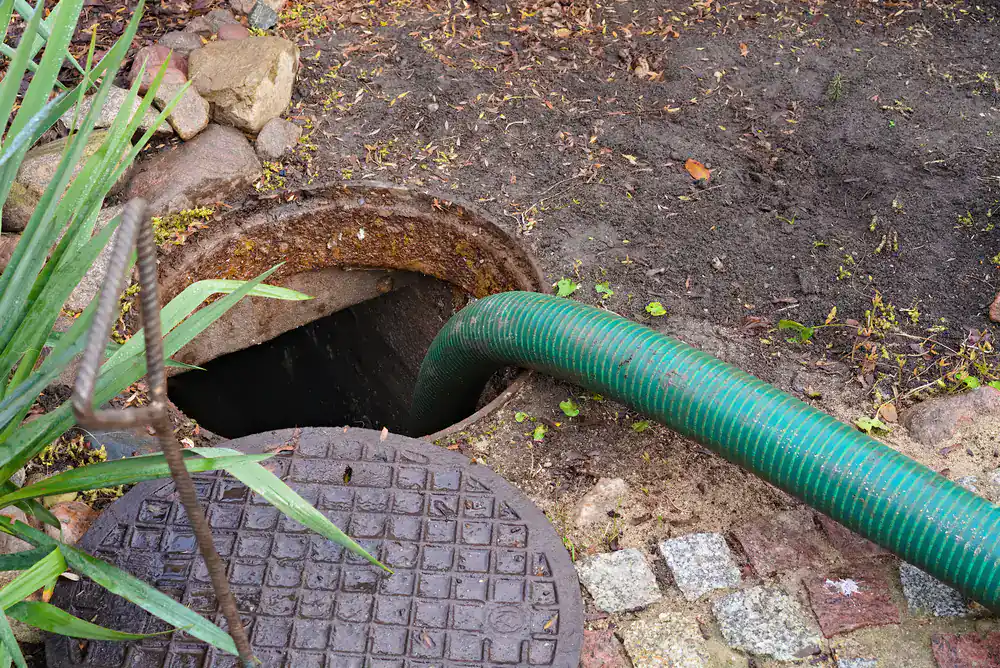
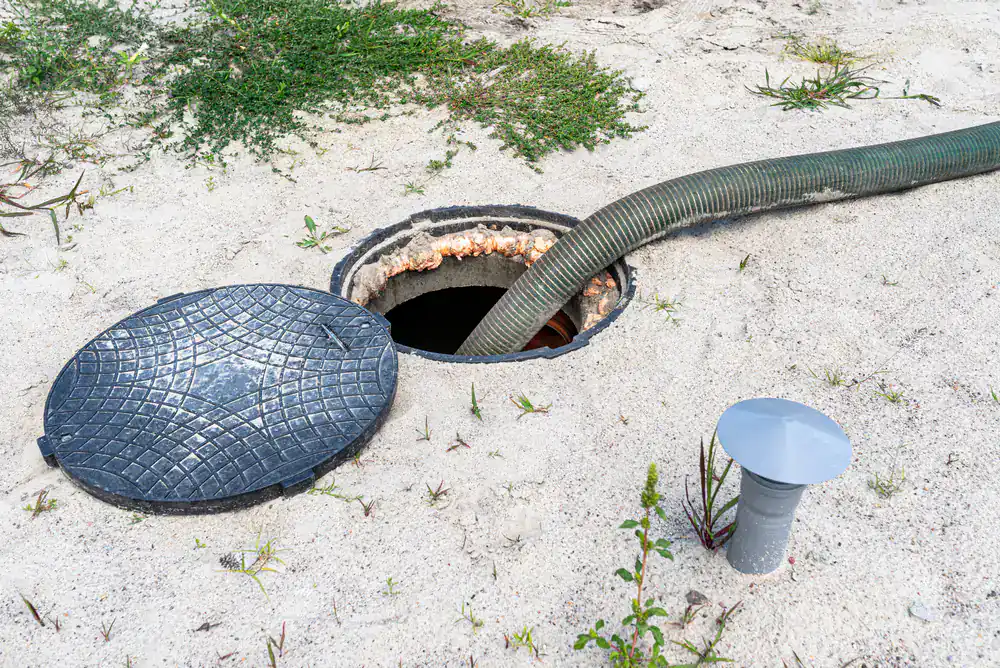
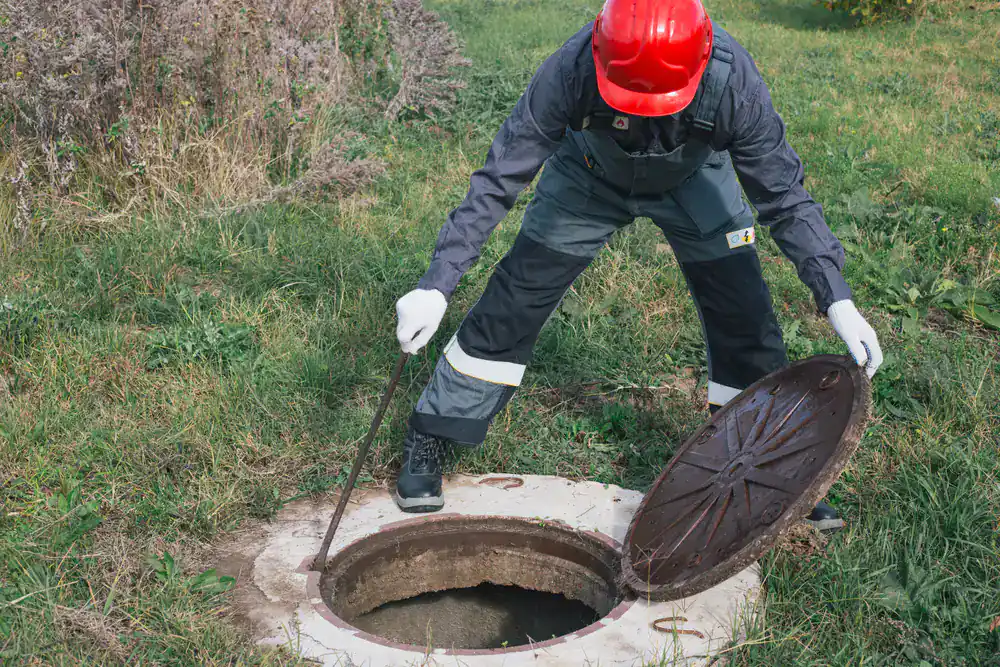
When our crew arrives, the first step is locating the cesspool access point. For newer homes with records, this is straightforward. For older Lake Ronkonkoma properties and there are a lot of them the cover may be buried, the location undocumented, and the system itself installed under a different standard than what’s required today. We handle that.
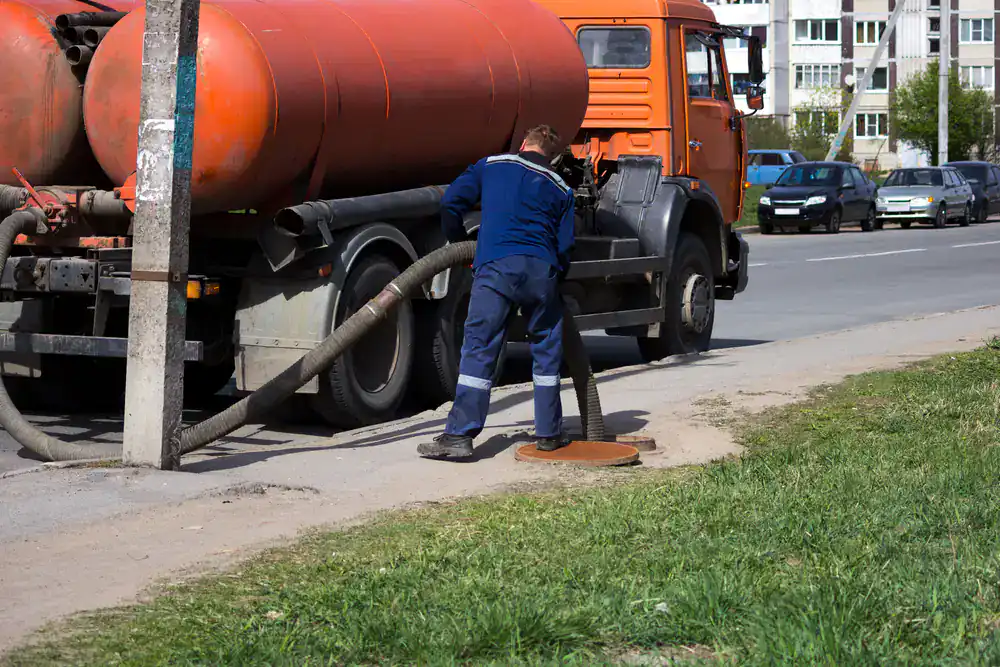
Once access is confirmed, we pump the tank down fully. That means liquid waste, floating solids, and as much accumulated sludge as the system allows. A thorough pump isn’t just pulling the easy stuff off the top. After the tank is cleared, we assess what we found condition of the walls, any signs of structural concern, whether the system is holding up or showing early warning signs. You get a clear picture of where things stand, not a vague “looks fine.”
Given that Suffolk County’s own Watershed Management Plan for Lake Ronkonkoma identifies cesspool maintenance as a direct factor in the lake’s water quality, knowing the actual condition of your system matters more here than most people realize.
Ready to get started?
Cesspool pumping and cesspool cleaning are not the same thing, and it’s worth understanding the difference before you book anything. Pumping removes the liquid and floating waste from the tank. Cleaning goes further it addresses the hardened sludge that builds up along the walls and floor of the system over time, the material that pumping alone won’t fully clear. For a 50-year-old cesspool in Lake Ronkonkoma, cleaning is often what the system actually needs, not just a quick pump-out.
We perform thorough cesspool service that includes inspection alongside pumping. That means you’re not just getting an empty tank you’re getting a clear assessment of the system’s condition, which matters whether you’re maintaining the home long-term or preparing it for sale. With average home values in Lake Ronkonkoma running around $640,000 and the housing market as competitive as it is, a documented service record is worth having before a buyer’s inspector starts asking questions.
Because Lake Ronkonkoma spans three separate town governments Brookhaven, Islip, and Smithtown permit requirements and inspection processes can vary depending on your exact address. That kind of regulatory nuance is exactly where local experience pays off. We know Suffolk County’s licensing requirements, understand how the county’s cesspool regulations apply in environmentally sensitive areas near the lake, and can tell you what your system actually needs based on what we find on-site not a one-size-fits-all recommendation.
