
By submitting you consent to receive service-related texts from Drastic Drainage. Reply STOP to opt out. Msg & data rates may apply. Consent not required to book service.
Useful Links
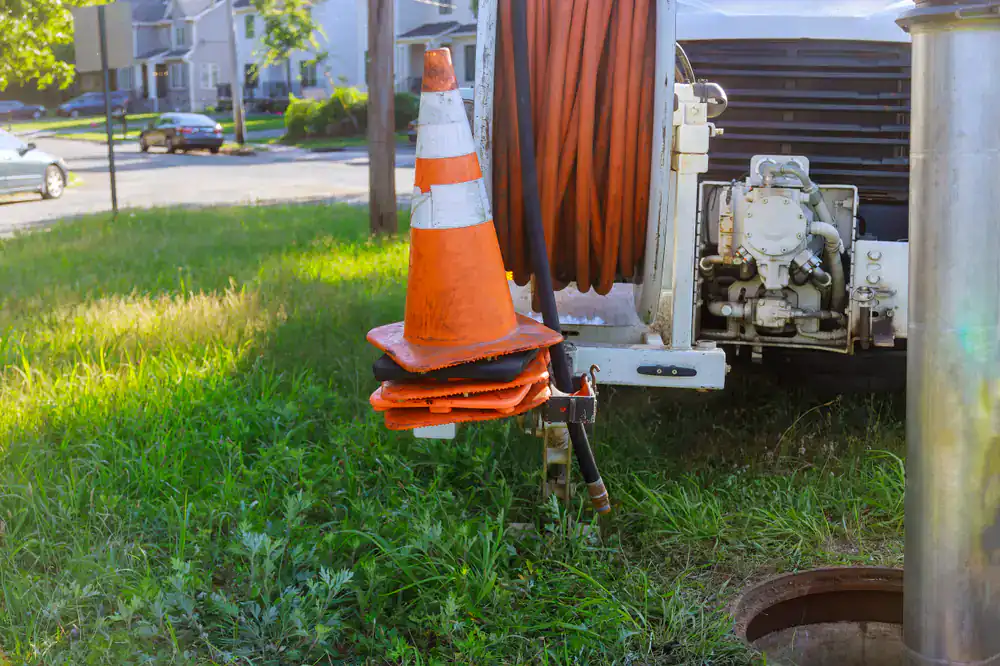
Here is what septic pumping in Hampton Bays looks like once the work is done. Hampton Bays is one of Long Island’s most active summer rental markets. A home that houses two people year-round might host eight guests every weekend from June through Labor Day. Your septic system doesn’t get a warning it just absorbs the load.
When it’s been properly pumped and inspected before the season begins, it can handle that surge. When it hasn’t, you’re looking at slow drains, odors, and the worst-case scenario: a backup during a paid rental weekend. Getting pumped before Memorial Day isn’t a luxury it’s basic protection for your rental income and your guests’ experience.
Because Hampton Bays sits on sandy, fast-draining soil between Shinnecock Bay and Great Peconic Bay, a system that’s overdue doesn’t just threaten your property. Effluent moves quickly through the soil here, straight toward the water table and the bays that define this community. Staying current on pumping is the minimum responsible step for anyone living near the water.
After Labor Day is just as important. Post-summer is when systems that absorbed months of peak-load use start showing signs of stress. Getting pumped in September or October gives you a clean baseline heading into fall and winter and avoids discovering a problem when the weather turns and the ground freezes around your tank.
The honest answer depends on what type of system you have and how your property is used. If you have a modern septic tank, the general recommendation is every three to five years for a typical household. If you have a cesspool which is common in Hampton Bays given the hamlet’s older housing stock you’re looking at every one to two years, because cesspools don’t separate solids from liquids the way a septic tank does, so they fill faster.
What makes Hampton Bays different from a typical year-round household is seasonal occupancy. If your home is rented out during the summer, the usage your system absorbs from Memorial Day to Labor Day can compress two to three years of normal wear into a single season. In that case, pumping before the season starts and inspecting after it ends isn’t overcautious it’s the right schedule for how your property actually gets used. We can assess your system’s current condition and give you a realistic recommendation based on what we find, not a one-size-fits-all timeline.
Standard residential septic tank pumping in Suffolk County runs $225 to $600, depending primarily on tank size. A 1,000-gallon tank typically falls in the $225 to $400 range; a 2,000-gallon system runs closer to $400 to $600. Those are the real market numbers not teaser prices.
Where homeowners get caught off guard is lid excavation. If your tank lid is buried which is common on older Hampton Bays properties, especially in the Good Ground area and along the Ponquogue corridor accessing it adds to the cost. Lid excavation can run $300 to $1,200 depending on how deep the lid is buried and how accessible the area is. We tell you this upfront before work begins, not after the truck is already on your property.
This is one of the most common questions from Hampton Bays homeowners, especially those who bought recently. The hamlet has been continuously inhabited since 1740, and its housing stock ranges from modern construction to mid-century cottages to homes that predate current septic standards entirely. Many of those older properties have cesspools single-chamber systems that collect waste without separating solids from liquids rather than modern multi-component septic tanks.
The simplest way to find out is to have a technician locate and inspect the system. If you have paperwork from a prior service, that’s a starting point. If you don’t and many Hampton Bays homeowners who’ve bought in the last few years don’t a service visit establishes the baseline you need. We can identify the system type, assess its condition, note the lid location for future visits, and give you an honest read on what you’re working with. That information is worth having before your first summer rental season, before any renovation triggers a county review, and well before you list the property for sale.
Septic inspections are frequently requested or required as part of real estate transactions on the East End, and Hampton Bays is no exception. While the specific requirements can depend on the terms of the sale and the lender involved, buyers and their agents routinely ask for documentation of the system’s condition and in many cases, pumping and inspection are required before closing.
Southampton Town has also been actively pushing I/A OWTS upgrades since 2017, and any permitted work on your property a renovation, an addition, certain alterations can trigger a septic review under Town Code Chapter 123. If your system is already in good shape and recently serviced, that review goes smoothly. If it isn’t, you may be facing a required upgrade at the worst possible time. Getting ahead of it with a routine pump-out and inspection is the straightforward way to protect a sale and avoid a last-minute surprise. The Southampton Town I/A OWTS Rebate Program, administered from the Community Preservation Office right here in Hampton Bays, NY at 24 West Montauk Highway, can also offset upgrade costs significantly up to $20,000 from the town alone, with combined state and county funding potentially reaching $45,000 or more.
Hampton Bays is more exposed to storm systems than most of Long Island surrounded on three sides by water, with the Atlantic Ocean accessible via Ponquogue Bridge and the barrier beach. Nor’easters and tropical storms bring significant rainfall and, in some cases, flooding that saturates the soil around your septic system.
When the ground is saturated, your drainfield can’t absorb effluent the way it normally does. Water can also infiltrate the tank itself, which dilutes the contents and accelerates how quickly the tank fills. The practical result is that after a significant storm, you may notice slow drains, gurgling toilets, or odors even if the system was working fine before the weather hit. These aren’t always signs of a failed system; sometimes they’re signs of a temporarily overwhelmed one. But they’re worth having checked. A post-storm inspection can tell you whether the system just needs time to recover, whether pumping will help it reset, or whether there’s actual structural damage that needs attention before the next major weather event.
Yes and this comes up regularly in Hampton Bays. Older properties throughout the hamlet, particularly in the Good Ground corridor and along the Ponquogue peninsula, often have cesspools with lids buried under decades of soil, sod, and landscaping. Previous owners may have had the system serviced years ago without leaving any documentation, or the lid may have been covered during a yard renovation. It’s not unusual to buy a Hampton Bays property and genuinely have no idea where the tank is or what type of system you have.
Cesspool location is a specific specialty we’re known for. We have the experience and equipment to locate systems that aren’t immediately visible including on properties where the system hasn’t been accessed in years. Once we find it, we document the location so future service visits don’t require starting from scratch. For Hampton Bays homeowners dealing with an undocumented system, getting that first visit done establishes everything you need to know going forward: system type, condition, location, and a realistic maintenance schedule based on how your property is actually used.
Free, no-obligation estimates on cesspool, sewer, and drain work.
We get there quickly. No waiting days for a callback.
Backups don’t wait for business hours. Neither do we.
Fully licensed and insured across Long Island.
Up-to-date trucks and tools for cleaner, faster jobs.
Straight quotes, no surprises on the bill.
Hear from Our Customers
Here is what septic pumping in Hampton Bays looks like once the work is done. Hampton Bays is one of Long Island’s most active summer rental markets. A home that houses two people year-round might host eight guests every weekend from June through Labor Day. Your septic system doesn’t get a warning it just absorbs the load.
When it’s been properly pumped and inspected before the season begins, it can handle that surge. When it hasn’t, you’re looking at slow drains, odors, and the worst-case scenario: a backup during a paid rental weekend. Getting pumped before Memorial Day isn’t a luxury it’s basic protection for your rental income and your guests’ experience.
Because Hampton Bays sits on sandy, fast-draining soil between Shinnecock Bay and Great Peconic Bay, a system that’s overdue doesn’t just threaten your property. Effluent moves quickly through the soil here, straight toward the water table and the bays that define this community. Staying current on pumping is the minimum responsible step for anyone living near the water.
After Labor Day is just as important. Post-summer is when systems that absorbed months of peak-load use start showing signs of stress. Getting pumped in September or October gives you a clean baseline heading into fall and winter and avoids discovering a problem when the weather turns and the ground freezes around your tank.
We’ve been serving Suffolk County since 2002, drawing on over 30 years of hands-on experience with Long Island’s specific septic and cesspool landscape. That means older housing stock, buried lids, waterfront setbacks, and the kinds of systems you find on Hampton Bays properties that have changed hands multiple times as this hamlet transformed from a modest fishing community into one of the most sought-after real estate markets on the East End.
Our approach is straightforward: we don’t recommend unnecessary work, and we don’t charge high prices for simple tasks. In a market where some contractors assume waterfront property equals a bigger bill, that distinction matters.
We’re available 24 hours a day, seven days a week, including weekends and holidays. For Hampton Bays property owners and rental managers, that’s not a minor detail. A septic issue on the Saturday of Fourth of July weekend, with a house full of guests, is a real emergency and it needs a real response, not a voicemail.
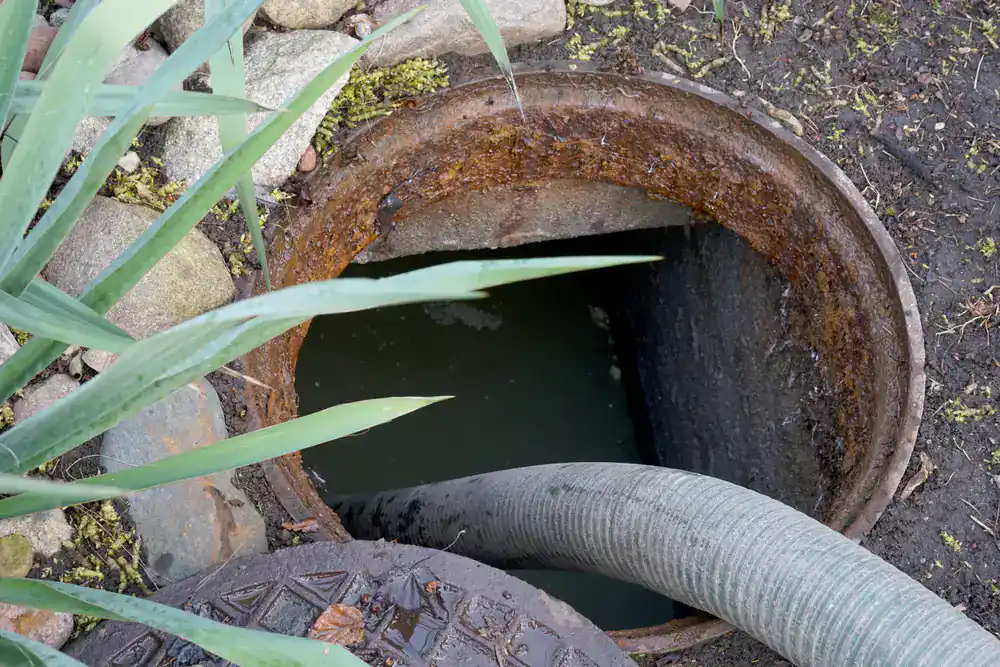
The first thing we do is locate the tank. On older Hampton Bays properties particularly in the Good Ground corridor, along the Ponquogue peninsula, or near the Canoe Place area lids are frequently buried under years of soil and landscaping. We specialize in finding hard-to-locate cesspools, which is one of the more common challenges on the South Fork’s older housing stock. If you don’t know where your system is or what type it is, that’s not unusual and it’s not a problem.
Once we locate and access the tank, we pump out all accumulated sludge and waste. This isn’t a partial job the goal is a complete pump-out, not a surface-level pull that leaves the bottom layers behind. After pumping, we inspect the system’s condition: checking baffles, looking for signs of infiltration or damage, and giving you an honest read on what we found. If something needs attention, we tell you. If everything looks fine, we tell you that too.
For Hampton Bays homeowners navigating Southampton Town’s I/A OWTS requirements which have applied to certain permitted projects since September 1, 2017 this inspection step can also be the starting point for a larger conversation about whether an upgrade makes sense for your property. That’s a separate decision, but having a clear picture of your current system’s condition is always the right first step.
Ready to get started?
Septic tank pumping is the core of what we do in Hampton Bays, but it’s rarely the only thing a property needs. Older homes throughout this hamlet and there are many, given Hampton Bays has been continuously settled since 1740 often have cesspools rather than modern septic tanks. Those cesspools need pumping more frequently: roughly every one to two years, compared to every three to five years for a standard septic tank. If you’re not sure which system you have, that’s the first question to answer.
Beyond standard pumping, our full service scope includes cesspool pumping and aeration, drywell cleaning, drain cleaning, main sewer line cleaning and replacement, house trap replacements, and full cesspool or septic system installation. For Hampton Bays properties that experience storm surge or heavy rain from nor’easters a genuine seasonal hazard given the hamlet’s position between the bays post-storm inspection is worth adding to the visit if you notice slow drains or odors after a significant weather event.
All work is covered by our satisfaction guarantee. We don’t leave until the job is done right. For Hampton Bays homeowners managing rental schedules, renovation timelines, or a pre-sale inspection requirement, that commitment to finishing the job properly not just quickly is what makes the difference between a service call and a real solution.
