
Useful Links
Other Services we provide in Lake Ronkonkoma
Potentially, yes and it’s worth finding out before you do anything else. Suffolk County’s Septic Improvement Program (SIP) offers grant funding for homeowners who replace qualifying cesspool or conventional septic systems with an I/A OWTS nitrogen-reducing system. As of mid-2025, combined state and county funding can reach up to $45,000 for eligible properties.
The key eligibility requirements include having a valid certificate of occupancy, no outstanding tax liens, and the property must be your primary residence not new construction. The most important thing to understand about the grant is the timing: the grant certificate has to be issued before installation begins. If you hire a contractor and start the work first, you lose eligibility there’s no retroactive application.
Given that Lake Ronkonkoma sits within a priority watershed for Suffolk County’s nitrogen-reduction goals, many homes here are well-positioned to qualify. The first step is getting a site assessment and confirming your eligibility before any shovels go in the ground.
I/A OWTS stands for Innovative and Alternative Onsite Wastewater Treatment System. In plain terms, it’s a septic system designed to remove nitrogen from wastewater before it enters the soil something a conventional cesspool or basic septic tank doesn’t do. These systems can reduce nitrogen output by up to 70% compared to a standard cesspool.
That’s a significant number when you consider that cesspools release roughly 40 pounds of nitrogen per household per year into the groundwater. For a lake like Lake Ronkonkoma that depends entirely on groundwater and has no natural flushing mechanism, that accumulation becomes visible in the algal blooms that have appeared in recent summers.
Whether you’re required to install one depends on your specific situation. Suffolk County banned like-for-like cesspool replacements as of July 2019, so if you’re replacing an existing cesspool, you need to meet at minimum a modern septic tank standard. For properties in certain zones including many near Lake Ronkonkoma, given the county’s active watershed management focus on this area an I/A OWTS system may be required or strongly recommended. A site assessment will tell you exactly where you stand before you commit to anything.
The honest answer is that it depends on your property, your soil conditions, and the type of system required which is why anyone giving you a firm price over the phone without a site visit should raise a flag. Complete septic system replacement in Suffolk County typically ranges from $20,000 to $40,000, depending on system type and site conditions. I/A OWTS systems average around $25,000 before any grant offset.
For Lake Ronkonkoma homeowners, the SIP grant program can dramatically change that math. If your property qualifies, up to $45,000 in combined state and county grant funding is available which means many homeowners end up with little to no out-of-pocket cost for the installation. There are also loan options through programs like CDCLI for costs above the grant amount, at 3% interest over 15 years.
The permit and perc test add to the upfront costs as well permits typically run $200 to $500, and a soil percolation test generally costs between $500 and $1,500. Getting a written estimate that accounts for all of these factors is the only way to know your actual number.
The old system doesn’t just get abandoned in place and forgotten. Proper decommissioning is a required part of any cesspool replacement in Suffolk County. The process involves pumping out whatever remains in the existing cesspool, then crushing or filling it to prevent it from collapsing underground and creating a sinkhole in your yard. The abandonment gets documented, and that documentation becomes part of your installation record.
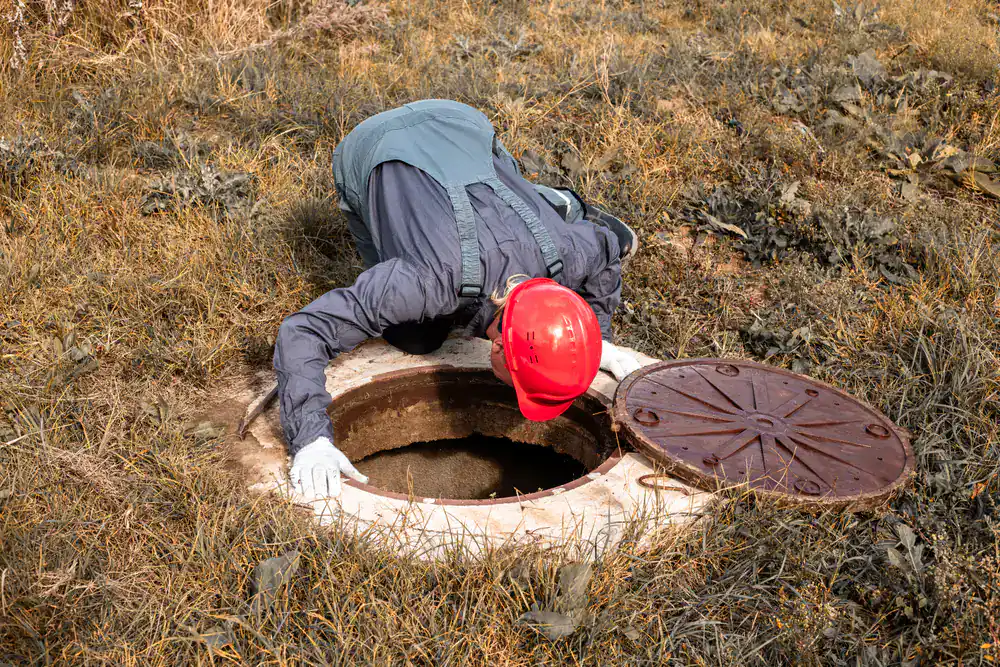
This step is especially relevant for older Lake Ronkonkoma properties where the existing cesspool may never have been properly mapped or accessed. Some homes in this area particularly those built in the 1950s and 1960s have cesspools buried at unexpected depths or in locations that don’t match any available records. Locating the existing system before excavation begins is part of the process, not an afterthought. We include cesspool location as part of our service specifically because going in blind on a property with no documentation is how jobs get complicated and expensive in a hurry.
The active installation work itself the excavation, system installation, and backfill typically takes one to three days once permits are in hand. For most residential properties, it’s closer to one day. That’s the part that matters most to homeowners who can’t afford to take a week off work or deal with extended disruption to their yard and driveway.
The longer part of the timeline is the permit process, which has to happen before any work begins. Filing with SCDHS, completing the perc test, and getting the permit approved adds several weeks to the overall schedule in most cases. If you’re also pursuing SIP grant funding, the grant application and approval needs to happen during this window as well before installation starts.
The practical takeaway is that the sooner you start the process, the sooner the job gets done. Waiting until your system is actively failing compresses your timeline in ways that limit your options and can eliminate your grant eligibility entirely. Starting the conversation now, while your system is still functional, gives you the most control over the outcome.
Yes, and it’s one of the more underappreciated factors in this area. Lake Ronkonkoma’s soil conditions vary considerably depending on where your property sits. Homes closer to the lake tend to sit on sandier soil, which drains quickly that sounds like a good thing, but fast drainage without adequate treatment means nitrogen and other contaminants can reach the groundwater table before the soil has a chance to filter them.
Given that Lake Ronkonkoma is fed entirely by groundwater with no surface outlets, that’s a direct path from your backyard to the lake. In other parts of the hamlet, the soil is heavier and clay-rich, which drains much more slowly. That creates a different problem: during wet periods or after heavy rain, a system that isn’t properly sized for slow-draining soil can back up or saturate the drain field prematurely.
The shallow water table in parts of the community compounds both of these issues. This is exactly why a proper perc test and soil evaluation isn’t a formality it’s the foundation of a system design that actually works for your specific property. A system designed for generic Long Island soil conditions and dropped onto a Lake Ronkonkoma lot without a proper site evaluation is a system that may underperform from day one.
Hear from Our Customers

Once a properly designed septic system replaces an aging cesspool, the most immediate thing you notice is what stops happening. No more slow drains backing up after heavy rain. No more wondering whether that wet patch in the yard is a problem. No more anxiety every time you have guests over or a home inspector scheduled.
For Lake Ronkonkoma homeowners specifically, the stakes are unusually concrete. The lake at the center of this community has no surface inflows or outflows it is fed entirely by the groundwater beneath the surrounding neighborhoods. When cesspools leak nitrogen into the soil, it doesn’t travel far before it reaches that water. The algal blooms that have shown up on the lake in recent summers aren’t random. They are a direct result of what’s been happening underground in homes just like yours for decades.
A modern septic system and especially an I/A OWTS nitrogen-reducing system breaks that connection in a way that a cesspool pump-out never will. These systems reduce nitrogen output by up to 70% compared to a standard cesspool, which translates to measurable improvement in groundwater quality over time.
Beyond the lake, there’s the practical reality of what your home is worth. With median sale prices around $640,000 in Lake Ronkonkoma, a failing or outdated system is one of the fastest ways to derail a home sale or lose negotiating leverage. Buyers and their inspectors know what to look for. Getting ahead of it with a properly installed, permitted, and documented system protects that investment on every level.
Drastic Drainage Long Island is a family-owned and operated company based in West Babylon, serving both Nassau and Suffolk Counties. The owner’s name is on every job and that matters in a community like Lake Ronkonkoma, where word travels fast and long-term accountability isn’t optional.
What sets us apart from a national chain isn’t a tagline. It’s the fact that our crew has been navigating Lake Ronkonkoma’s specific soil variability, SCDHS permit requirements, and the quirks of central Suffolk County properties for over 30 years. Lake Ronkonkoma sits at the boundary of three separate town jurisdictions Brookhaven, Smithtown, and Islip which means permit filings and building department coordination can get complicated fast. That’s not your problem to untangle. It’s ours.
Customers consistently mention the same things in reviews: a real person answered the phone, we showed up when we said we would, and the job was done in a day. For a community full of people catching the early train from the Ronkonkoma LIRR station, that kind of reliability isn’t a nice-to-have.
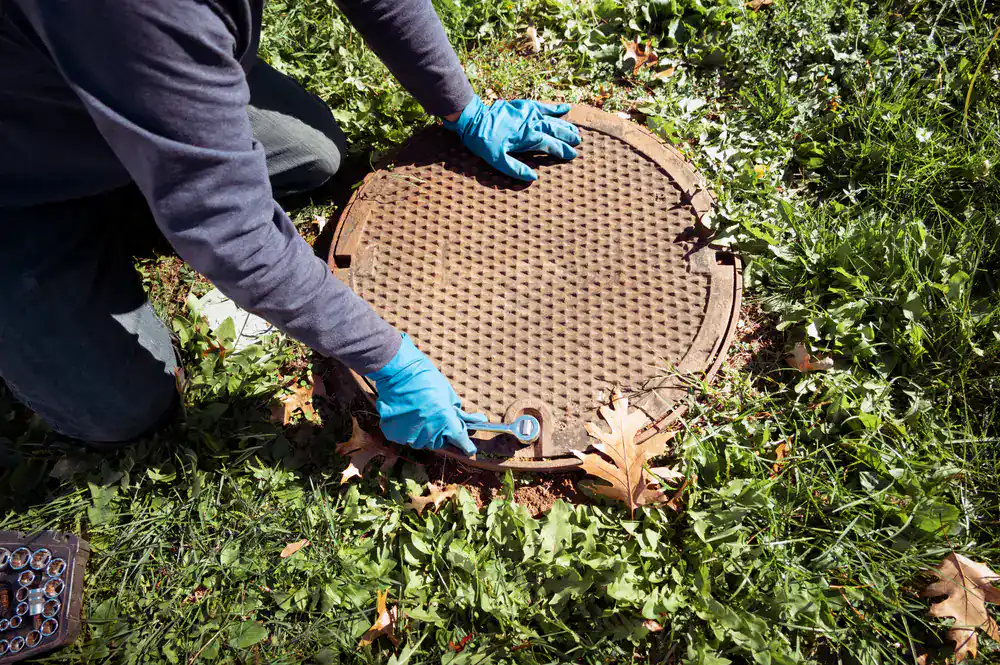
It starts with a site assessment and a conversation. Before any design is drawn up or any permit is filed, the property gets evaluated soil conditions, water table depth, setback requirements, and the condition of whatever system is currently in the ground.
In Lake Ronkonkoma, this step matters more than it does in a lot of other communities. Soil conditions here vary considerably: sandy near the lake, where drainage happens fast but treatment can be insufficient, and clay-heavy in other parts of the hamlet, where slow drainage creates its own set of design challenges. Getting this right at the start is what determines whether the system performs correctly five years from now.
From there, we design the appropriate system and begin the permit process. All septic installations in Suffolk County require SCDHS registration and, depending on the system type, a formal permit application. If you’re pursuing an I/A OWTS nitrogen-reducing system which is required in many replacement scenarios and which may qualify you for up to $45,000 in combined state and county grant funding there are additional steps involved, including getting your grant certificate approved before any work begins. That sequence matters, and getting it out of order can cost you the grant entirely.
Once permits are in hand, the installation itself typically takes one to three days of active work. We pump and properly abandon the old system documented and filled and install the new one. You get installation records at the end. No loose ends.
Ready to get started?
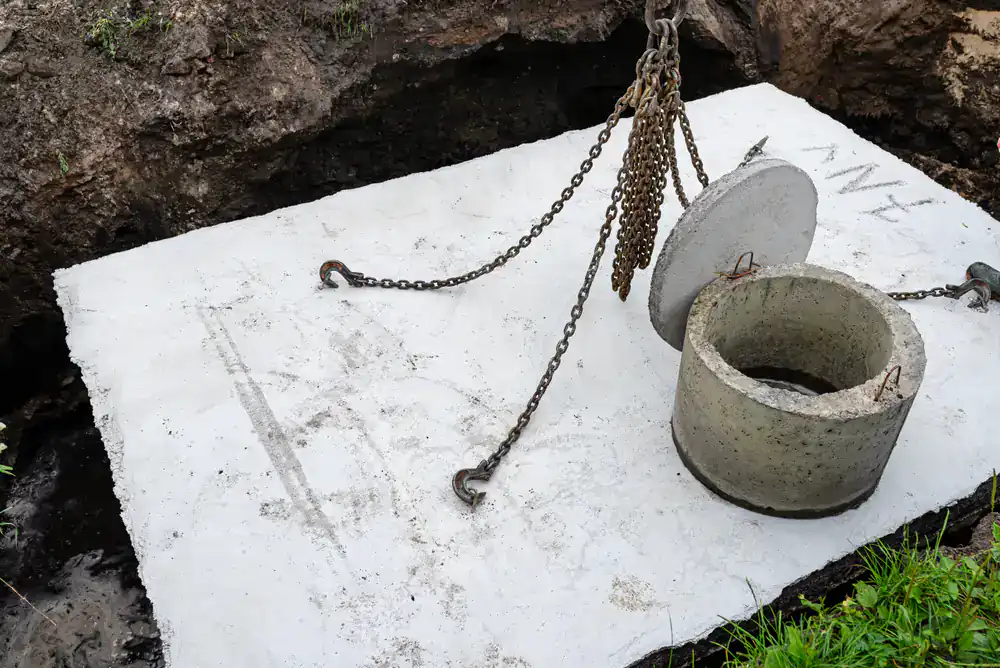
Septic installation isn’t just excavation and backfill. What you’re getting is a complete process: site evaluation, perc testing, system design based on your specific soil and lot conditions, permit filing with SCDHS, installation, proper abandonment of the old system, and post-installation documentation.
For Lake Ronkonkoma properties, the site evaluation step is especially important given the soil variability across the hamlet and the shallow water table in areas close to the lake. We handle both residential and commercial installations, and we specialize in the I/A OWTS nitrogen-reducing systems that directly address the water quality issues Lake Ronkonkoma has faced in recent years.
If your home qualifies for an I/A OWTS system and given Lake Ronkonkoma’s position within the Suffolk County watershed priority zones, many properties here do we handle the full process. Suffolk County’s Septic Improvement Program (SIP) offers grant funding for qualifying homeowners, and the application has to be submitted and approved before installation starts. We walk you through that process from the first call.
For older homes in Lake Ronkonkoma and most of the housing stock here dates back to the 1950s through 1970s there’s also the question of locating what’s actually underground. Many properties have cesspool systems that were never properly documented. We offer cesspool location as part of our service, which means you’re not going in blind when the excavation begins.
