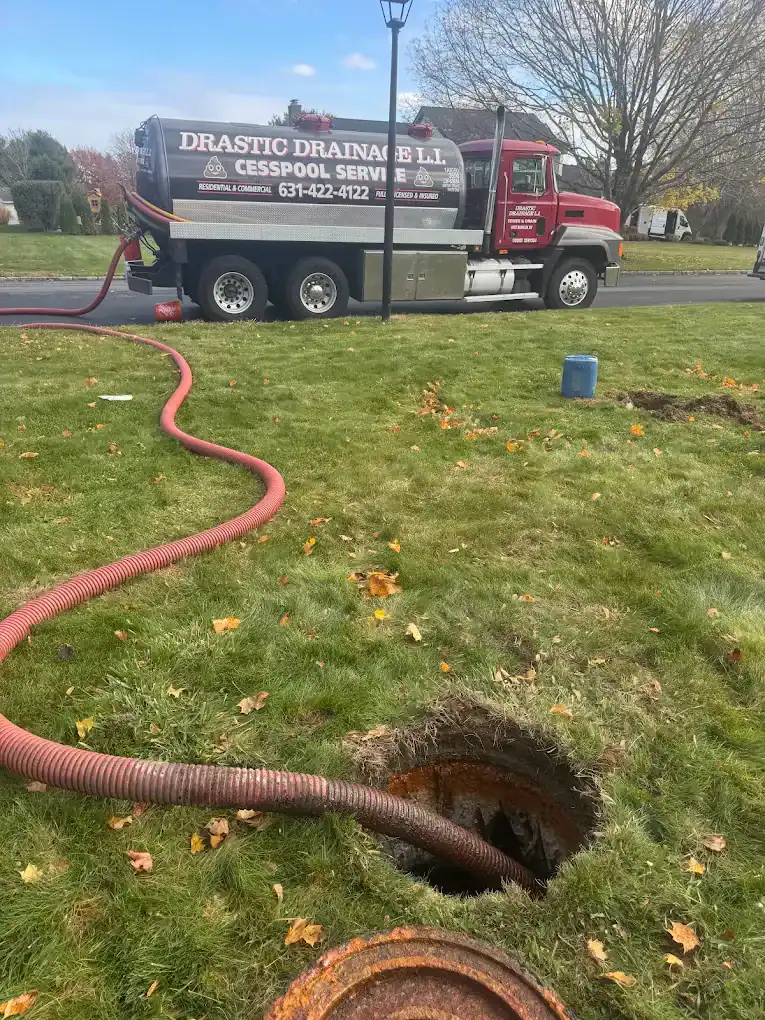
Never watched a cesspool get pumped? Here's a plain-language walkthrough of the entire process — from scheduling to documentation — so you know exactly what to expect.
You’ve scheduled the appointment. The truck is coming Thursday. And if you’re being honest, you have no idea what’s actually going to happen. How long will it take? Do you need to be home? Will we find the access point, or is that going to turn into a problem? What do you get when it’s done? These are completely reasonable questions — and almost nobody answers them clearly. Here’s a straightforward look at what routine cesspool pumping actually involves, specific to Suffolk County and the rest of Long Island, so you can stop guessing and know what to expect.
The short version: a licensed technician arrives, locates your cesspool, removes the access cover, extracts the waste using a vacuum truck, inspects the system, and gives you documentation before leaving. The whole thing typically takes between one and two hours for a standard residential property. But the details inside that window matter — and understanding them is what separates a homeowner who feels confident about the service from one who just hopes for the best.
Suffolk County has over 360,000 cesspools and septic systems, and about 74% of homes here aren’t connected to a public sewer. That means this is routine maintenance for most households — not an emergency, not a specialty service. It should feel that way from the moment you call us.
It starts with a call. You describe what’s going on — whether it’s a scheduled maintenance visit, slow drains you’ve been ignoring, or a first-ever service on a home you just bought. A real person should pick up, ask you a few questions about your system and household, and give you a clear sense of what to expect before anyone sets foot on your property. If a company quotes you a price without asking anything about your tank size, your household, or when it was last serviced, that’s worth noticing.
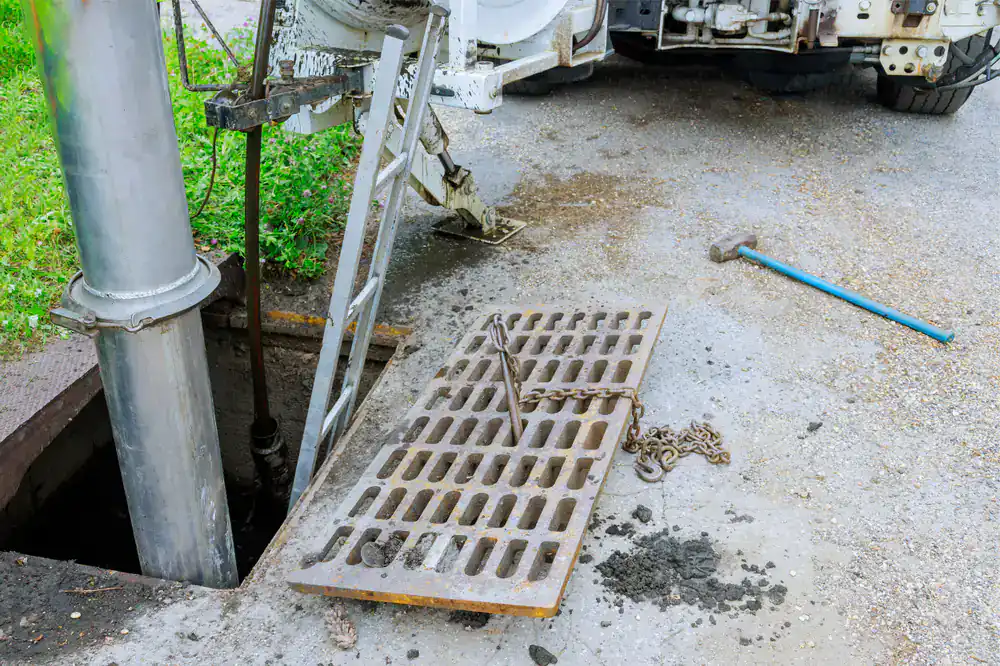
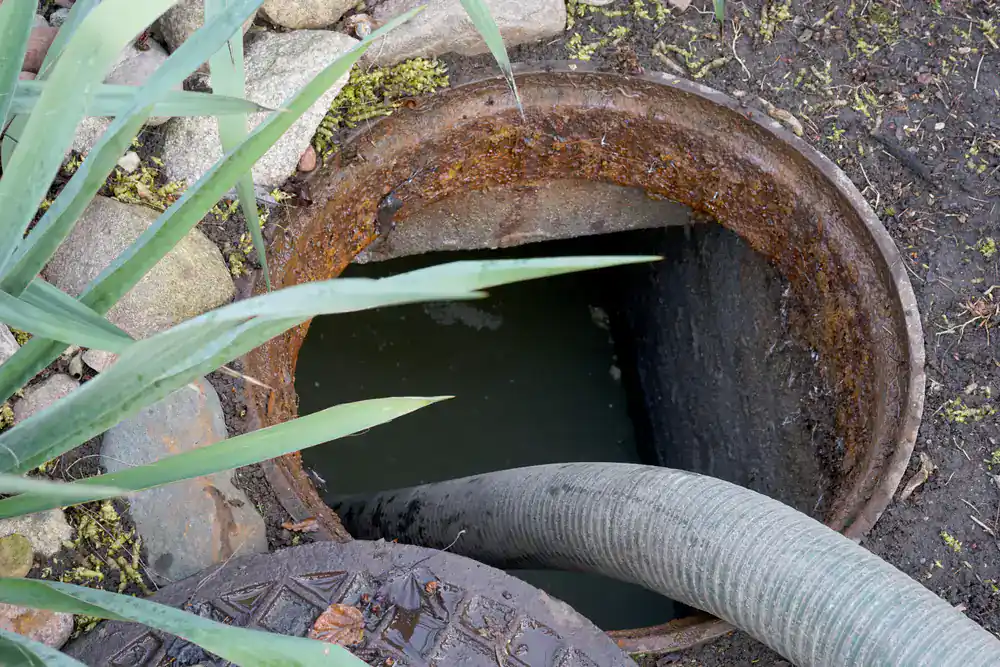
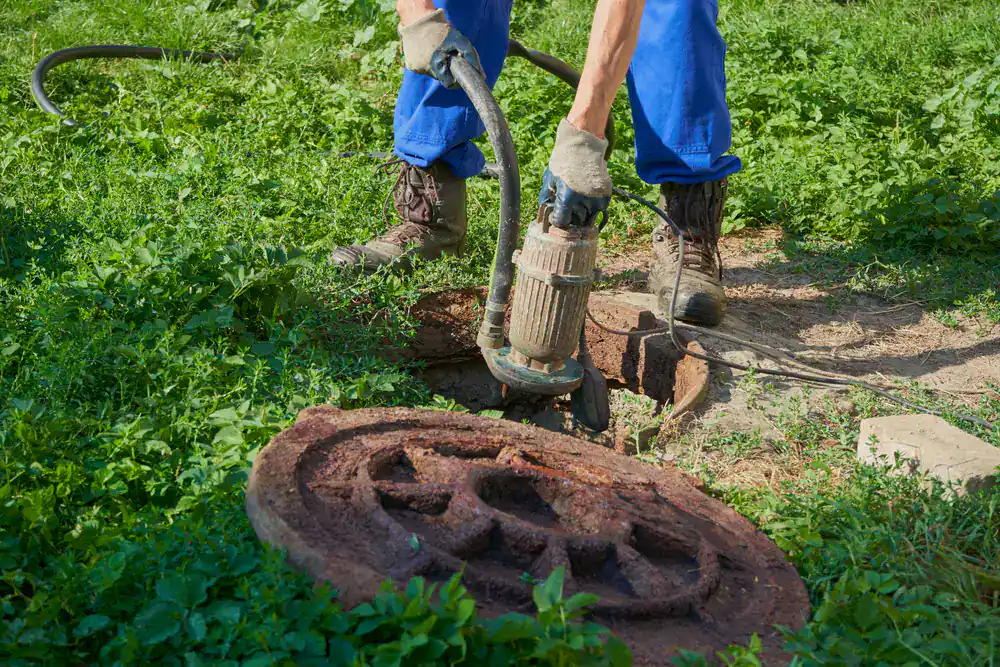
When the technician arrives, the first step is locating your cesspool and removing the access cover. In Suffolk County’s older housing stock — most of it built in the 1950s, ’60s, and ’70s — this step is often more involved than it sounds. Many homes throughout the area were built before Suffolk County required formal documentation of cesspool placement. There are no marked lids, no records in the file, and sometimes no obvious indication of where the system is buried. Finding it requires a combination of experience, probing equipment, and familiarity with how cesspools were typically installed in homes of that era. This is a standard part of the job. We treat it that way — not as a reason to add unexpected charges to your invoice.
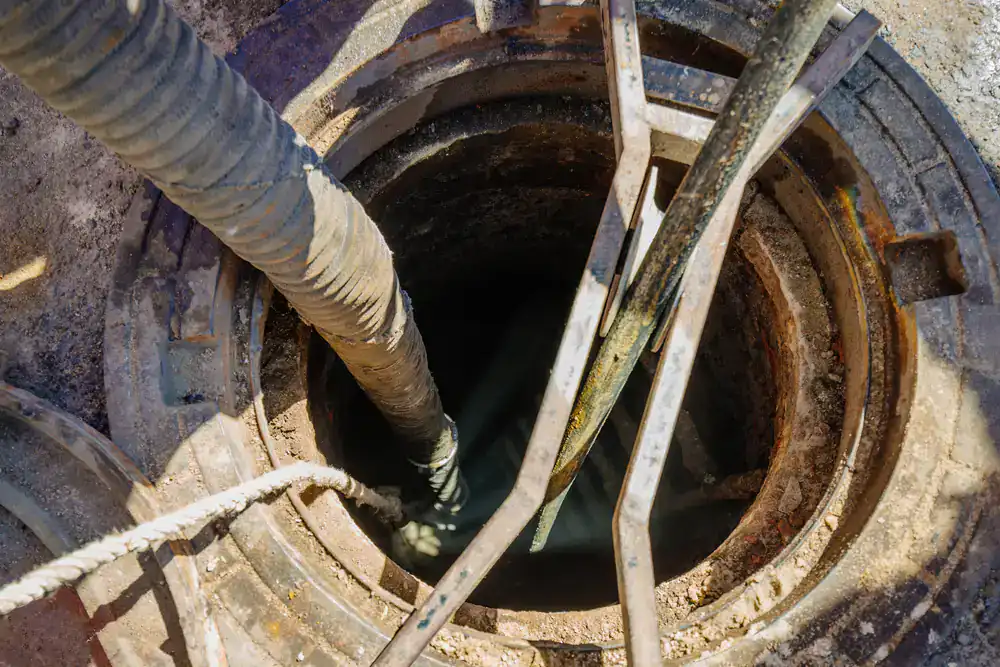
Once the access is open, the vacuum truck takes over. The pump hose goes in, and extraction begins — removing the liquid waste and floating solids sitting in the tank. But pumping and cleaning aren’t the same thing, and the distinction matters. Pumping removes what’s in suspension. Cleaning involves breaking up and removing the hardened sludge that accumulates along the bottom and walls of the tank over time. A system can be pumped and still drain poorly if that underlying buildup isn’t addressed. A thorough service visit handles both, and you should know which one you’re getting before the truck arrives.
While the tank is empty, the technician can actually see the condition of the system — cracks, structural wear, signs that something is developing into a larger problem. This inspection phase is what catches early issues before they become expensive ones. When the work is done, you should receive documentation of the service. In Suffolk County, licensed contractors have been required since July 2018 to report all pumping activity to the SCDHS via the county’s SHIP portal. That county record matters — especially if you’re ever selling the home, refinancing, or dealing with a permit application down the road.
This is one of the most common situations we see, and it creates a specific kind of anxiety that most cesspool companies don’t bother to address. You bought the house. The inspector noted the cesspool but couldn’t tell you much about it. The previous owners left no service records. You don’t know when it was last pumped, where the access point is, or what size tank you’re dealing with. You’re not even sure where to start.
The answer is straightforward: schedule a service visit. Not because something is necessarily wrong, but because a first visit establishes a baseline. The technician locates the system, assesses its condition, pumps and cleans it, and documents what they found. You leave with a written record and a realistic sense of what your system needs going forward.
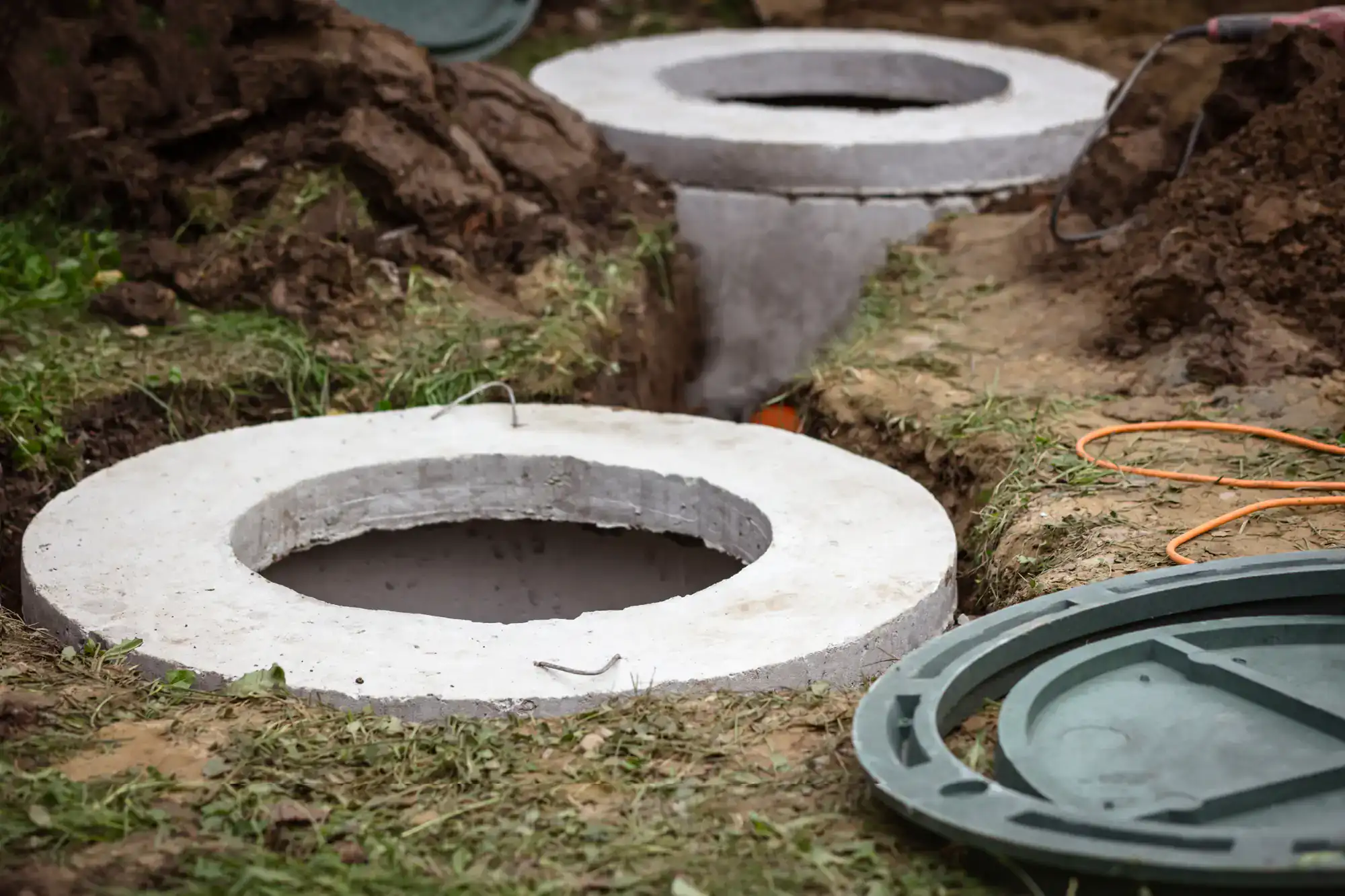
In Suffolk County specifically, this situation is extremely common. The area’s housing stock is heavily weighted toward mid-century construction, and a significant number of those homes have cesspools that pre-date any formal documentation requirement. Village properties — in and around Huntington Village and Northport — tend to have cesspool rings on smaller lots. Larger properties toward Commack and Melville more commonly have full septic systems with leaching fields. Knowing which you have, and what condition it’s in, is the starting point for everything else.
How often you’ll need service going forward depends on a few variables: how many people live in the home, how old and large the system is, and how much water your household uses day to day. The EPA’s general guideline is every three to five years, but for most Suffolk County families — particularly those with older, smaller systems — every one to three years is a more realistic target. A family of four or five in a mid-century home with a smaller tank may need annual service. A single person with a larger, well-maintained system might comfortably stretch to three or four years. The technician can give you a specific recommendation based on what they see during the visit.
One more thing worth knowing: if your home is near Huntington Harbor or Centerport Harbor, your system may be more susceptible to temporary stress after significant rainfall. When the water table rises in those low-lying areas, older cesspools can become overwhelmed even if they were functioning fine the week before. If you’ve noticed slow drains or odors that seem to appear after heavy rain, that’s useful information to share when you call.
Want live answers?
Connect with a Drastic Drainage expert for fast, friendly support.
The cesspool industry has a reputation problem, and Suffolk County homeowners know it. The concern about being upsold — about a routine pumping call turning into a $10,000 replacement conversation — is real, and it’s one of the main reasons people put off scheduling service longer than they should. Knowing what a legitimate visit looks like makes it easier to recognize when something doesn’t add up.
A licensed cesspool company in Suffolk County holds a Liquid Waste License issued by Suffolk County Consumer Affairs. This isn’t optional — it’s a legal requirement for anyone performing cesspool work here. Ask for it. We’ll show you without hesitation.

There are a few things that consistently separate reliable companies from ones you’ll regret calling. The first is how we handle the phone. A real person should answer, ask real questions, and give you a clear quote before anyone comes out. If you’re getting a flat price before we’ve asked anything about your system, that number is unlikely to hold once the truck is in your driveway.
The second is transparency during the visit itself. When the work is done, the technician should tell you what they found — the condition of the system, whether anything needs attention, and what a reasonable maintenance schedule looks like for your specific property. Not a vague “looks okay” and a handshake. An actual explanation. For a homeowner who has no visibility into what’s happening underground, this is the difference between feeling informed and feeling managed.
The third is documentation. Every service visit should produce a written record of what was done. In Suffolk County, that record also gets filed with the SCDHS via the SHIP portal — which means you can verify it was submitted, and it becomes part of the county’s permanent maintenance history for your property. If you’re ever selling the home, that documentation matters. Buyers and their attorneys look for it. A gap in the record can become a negotiating point at closing, and in a market where homes in Suffolk County regularly sell in the high hundreds of thousands, that’s not a detail to overlook.
Experience with local conditions is the fourth factor, and it’s harder to fake. Long Island’s sandy, glacially deposited soil, the coastal water table dynamics in communities along the North Shore, the specific way cesspools were installed in homes built between 1950 and 1975 — these are things we’ve learned over decades of work in this specific area. When a technician has spent 30-plus years working in Suffolk County, they bring context to your property that a newer or out-of-area company simply doesn’t have.
Do I need to be home when my cesspool is pumped? You don’t necessarily need to be inside the house, but being available — or having someone there — is worth it. The technician may have questions about the property, and you’ll want to be present when they walk you through what they found. If you genuinely can’t be there, let us know in advance so we can plan accordingly.
What’s the difference between pumping and cleaning, and which one do I need? Pumping removes the liquid waste and floating solids currently sitting in the tank. Cleaning goes further — it breaks up and removes the compacted sludge that builds up along the walls and bottom of the tank over time. For a system that’s been on a regular maintenance schedule, pumping may be sufficient. For a system that hasn’t been serviced in several years — or one you’ve just inherited with no records — a more thorough cleaning is usually the right call. The technician can assess this during the visit.
What are the warning signs that my cesspool is overdue? Slow drains throughout the house, gurgling sounds in the pipes, wet or unusually green patches of grass above the system, and odors near the yard or in the basement are all signals. In Suffolk County, where the sole-source aquifer sits directly beneath residential properties, a failing or overflowing cesspool isn’t just a plumbing problem — it’s a groundwater problem. The county’s drinking water has already been documented as having nitrate levels higher than 95% of the country, and 70% of the nitrogen entering local bays like Great South Bay comes directly from residential cesspools and septic systems. Routine maintenance is one of the most direct ways a homeowner can be part of the solution.
What does the service cost? We don’t publish a flat rate because the right answer depends on your system — its size, how long it’s been since the last service, and what the technician finds on-site. Call us for a free estimate. We’ll ask the right questions first, and we’ll give you a real number before the truck rolls.
Routine cesspool pumping doesn’t have to be a mystery. You now know what a legitimate service visit looks like from start to finish — how the system gets located, what pumping and cleaning actually involve, what documentation you should receive, and how to tell whether the company you’re calling is worth trusting.
If you’re in Suffolk County and you’re not sure when your system was last serviced, the right move is simple: make the call. You don’t need to have all the answers before you pick up the phone. That’s what the conversation is for.
Drastic Drainage Long Island has been doing this work on Long Island for over 30 years. We answer the phone, we explain what we find, and we don’t recommend work you don’t need. If you’re ready to schedule — or just want to know where things stand — give us a call and we’ll take it from there.
Related reading: Cesspool Maintenance Tips After Installation and Septic System Pumping Tips for Patchogue Homeowners.
Summary:
Article details:
Share: