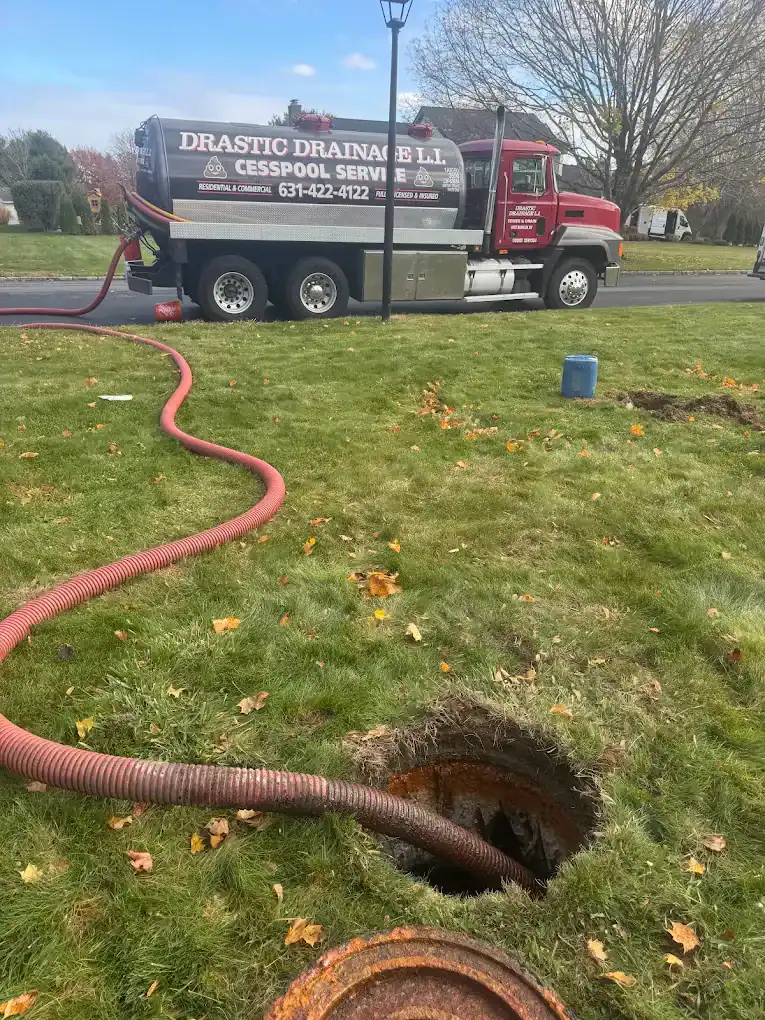
A new cesspool is only as good as the habits that follow. Here's what Suffolk County homeowners should do differently — starting the day the crew leaves.
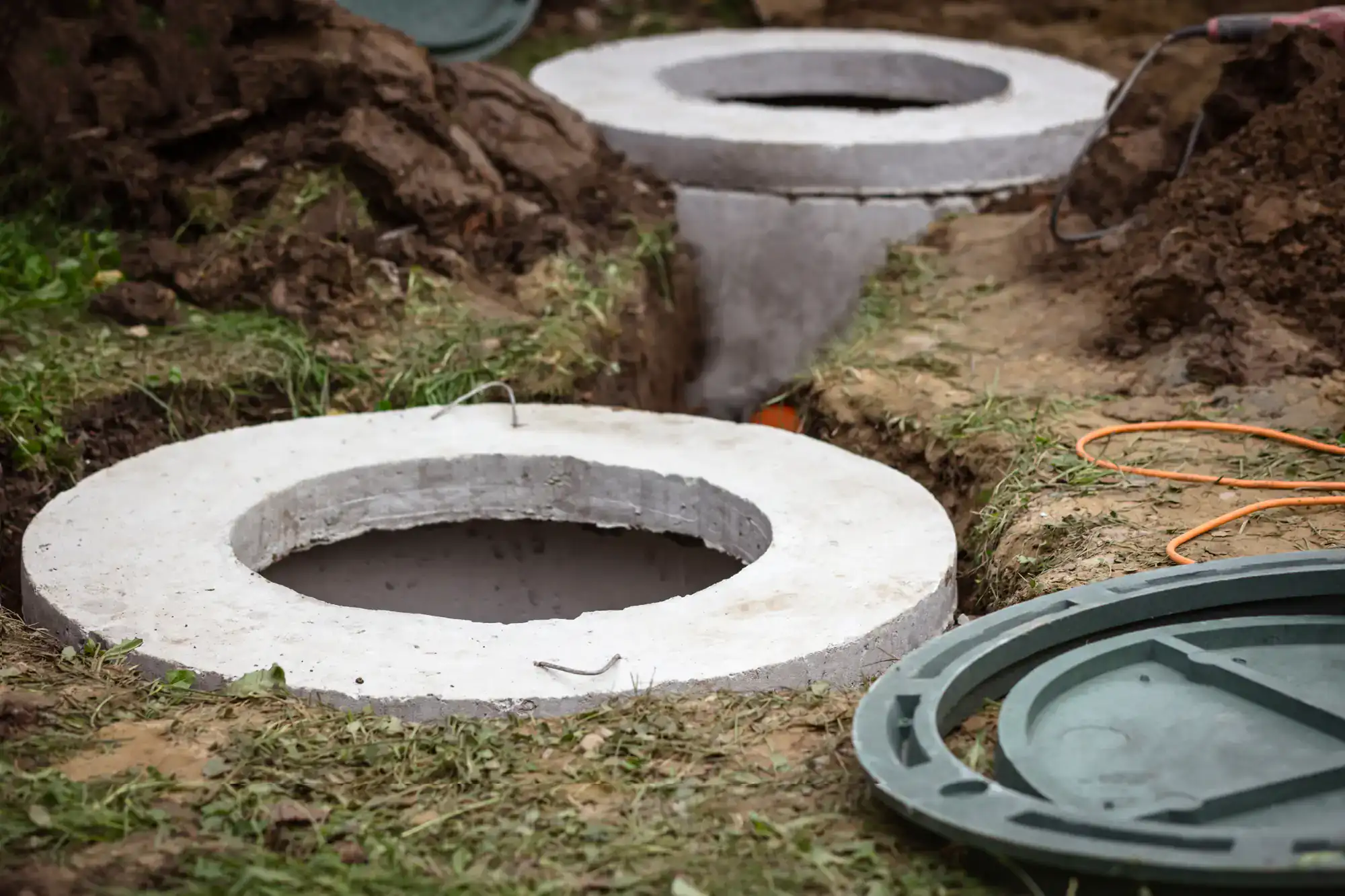
You just had a new cesspool installed. The crew is gone, the yard is settling back into place, and now you’re wondering — what exactly am I supposed to do to make sure this thing lasts?
It’s a fair question, and most homeowners don’t get a clear answer. The internet is full of generic maintenance advice that was never written with Suffolk County in mind — not the Great South Bay, not the South Shore water table, not the housing stock that makes up most of this region. What works for an inland community in central Suffolk County doesn’t always translate to coastal neighborhoods. We’re giving you what actually applies.
Suffolk County’s South Shore isn’t a typical inland suburb. More than half of the Town of Babylon’s total area is water — the Great South Bay, tidal canals, wetlands, and coastal inlets that define the South Shore landscape. That geography matters for your cesspool in ways that most maintenance guides never acknowledge.
The water table in many Suffolk County neighborhoods sits less than ten feet below the surface. That means your cesspool’s leaching pools are operating under constant groundwater pressure, which accelerates how quickly waste accumulates and reduces how efficiently the system disperses. It’s not a flaw in your new installation — it’s just the environment. But it does mean the habits you build now will have a bigger impact here than they would in a drier, inland community.

The most common mistake we see after a new cesspool installation isn’t dramatic. It’s not a catastrophic failure or an obvious misstep. It’s simply this: homeowners assume that because the system is new, it doesn’t need attention for several years. They revert to the same water usage habits and disposal behaviors that contributed to their old system’s decline — and they’re surprised when the new one starts showing stress sooner than expected.
A new system needs time to establish the biological balance that makes it function properly. The beneficial bacteria that break down waste take weeks to colonize a fresh installation. During that early window, what you put down the drain and how much water you run through the system on any given day genuinely matters more than it will once the system is fully established.
Harsh chemical drain cleaners are one of the fastest ways to disrupt that process. They kill the bacteria your cesspool depends on, and a single heavy use can set back the biological cycle by weeks. Liquid laundry detergent is easier on the system than powder, which can clump and contribute to buildup. Garbage disposals add a significant load of solids that cesspools aren’t designed to handle efficiently — if you have one, using it sparingly is a real maintenance decision, not just a suggestion.
The other thing that catches homeowners off guard is what they’re flushing. Products marketed as “flushable” — wipes, paper towels, feminine hygiene products — do not break down in a cesspool the way toilet paper does. They accumulate, they clog, and they accelerate the timeline to your next pump-out.
None of this requires dramatic lifestyle changes. It just requires awareness of what’s going into a system that’s still finding its footing.
Here’s where the generic advice breaks down most visibly. Most online sources — and even some contractors — will tell you to pump your cesspool every three to five years. That figure comes from national averages, and it’s a reasonable baseline for a lot of communities. It is not a reasonable baseline for most homes in Suffolk County.
The combination of a shallow water table, coastal groundwater pressure, and the older surrounding infrastructure common in pre-1960s neighborhoods means that waste accumulates faster and leaching efficiency is lower than the national average assumes. For a typical Suffolk County household of three or four people, a realistic pumping target is closer to every two to three years. Larger households, or homes with older surrounding pipe connections, may need service on the shorter end of that range.
When a technician pumps your system, ask them to note the sludge level relative to the tank height. Once accumulated sludge reaches one-third the height of the cesspool, you’re approaching the service window — regardless of how much time has passed on the calendar.
Keeping a record of each service visit matters more than most homeowners realize. Suffolk County’s real estate market moves quickly, and homes here carry substantial value. When it comes time to sell, lenders and buyers routinely ask for documentation of cesspool condition and service history. A clean paper trail of regular pump-outs is an asset at closing. The absence of one can become a negotiating point — or a deal complication — that you’d rather not deal with.
After a major nor’easter or a significant storm event, it’s worth checking your system even if you’re not near a service interval. South Shore coastal flooding and heavy rainfall can push groundwater levels up sharply, temporarily overwhelming a cesspool’s leaching capacity. If you notice slow drains, odors, or wet areas over the system after a storm, that’s worth a call — not something to wait out.
Want live answers?
Connect with a Drastic Drainage expert for fast, friendly support.
The physical environment around your cesspool matters as much as what goes through it. A new installation is properly sized, properly placed, and properly permitted — but the ground above it and around it is something you control after the crew leaves.
The most important rule is simple: don’t drive over it. Cesspools are built from concrete, cement block, or brick, and they’re not designed to bear the weight of vehicles. A car parked over the system once or twice may not cause immediate visible damage, but repeated loading can crack the walls or collapse the roof of the tank, which turns a maintenance call into a full replacement. Keep vehicles, heavy equipment, and anything with significant weight off the system’s footprint.

After an installation, the disturbed soil over the system needs time to settle and compact before any landscaping work begins. How long that takes depends on the season, the soil composition, and how much rainfall the area receives in the weeks following the job — but rushing to replant or grade the area before it’s ready can shift the ground in ways that affect the system below.
When you do landscape over or near the cesspool area, grass and shallow-rooted ground cover are the right choices. They hold the soil without putting root systems anywhere near the tank or leaching pools. Trees and deep-rooted shrubs planted too close to the system are a long-term problem — roots will find water and nutrients, and they will work their way into joints and seams over time. This is especially worth thinking about in Suffolk County’s older neighborhoods, where mature trees are common and root systems can extend well beyond what’s visible at the surface.
Keep gutters and sump pump discharge directed away from the cesspool’s leaching area. This is one of the most frequently overlooked maintenance points, and it matters more in a coastal community like Suffolk County where heavy rainfall events are a regular part of the seasonal calendar. Adding stormwater volume to the leaching area during a nor’easter — when the water table is already elevated — puts unnecessary stress on a system that’s already working harder than it would in drier conditions.
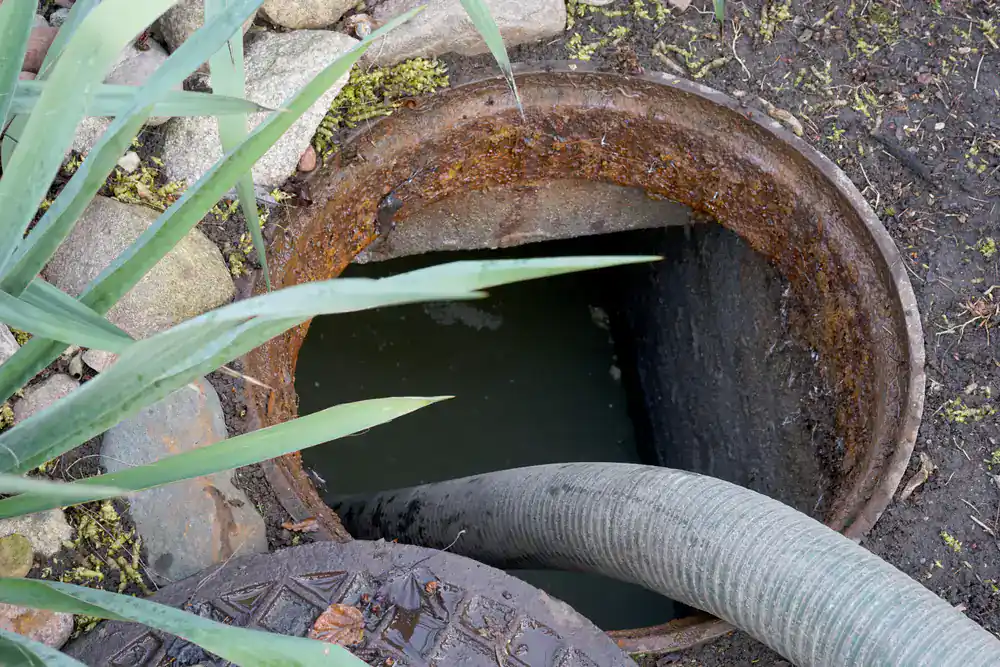
Don’t cover the access point. The cesspool cover needs to be accessible for service. If it gets buried under sod, mulch, or hardscaping, the cost and effort of the next pump-out increases — and in an emergency, accessibility can make a real difference in response time.
Winter on the South Shore brings its own set of considerations that don’t come up in most generic maintenance guides. Ground freezing, snow accumulation over the system area, and the freeze-thaw cycles that define Long Island’s winters from December through March all affect how your cesspool performs and what you should be watching for.
Snow insulates the ground to some extent, which is actually beneficial for the system — it helps maintain the soil temperature that keeps biological activity going through the colder months. What you want to avoid is compacted snow or ice from plowing or foot traffic being piled directly over the system’s footprint. That kind of dense accumulation can drive frost deeper into the ground and slow the leaching process during a period when the system is already operating at reduced efficiency.
The heavier concern in winter is vehicle access. If you’re clearing your driveway or yard and the cesspool’s footprint is near where vehicles or heavy equipment are operating, the same rule applies year-round: keep weight off the system. Frozen ground can give the false impression that the surface is more solid and load-bearing than it actually is over a buried tank.
If you’re heading into winter and you know your system is approaching its service interval, scheduling a pump-out in the fall is a better choice than waiting until spring. A full system going into a cold winter with limited leaching capacity is more vulnerable to backup than one that was serviced before the ground hardened. In Suffolk County, where coastal storm activity and heavy rainfall in late fall can push water table levels up before the ground freezes, that timing matters.
Spring is also worth a proactive check — not necessarily a full service visit, but a look at the yard over the system after the ground thaws. Soft spots, odors, or unusually green grass over the leaching area are worth noting and worth a call if they persist. These are the early signals that a system is working harder than it should be, and catching them early is almost always less expensive than responding to them after they’ve developed into something more significant.
A new cesspool installation is a real investment, and the habits you build in the first year go a long way toward determining how that investment holds up over time. Watch what goes down the drain, stay realistic about pumping frequency for a South Shore home, keep weight and deep-rooted plants away from the system, and keep your service records.
None of this is complicated. But it is specific to where you live — and Suffolk County’s coastal geography, older housing stock, and shallow water table mean that the generic advice circulating online doesn’t always give you the full picture.
If you have questions about your new system, want to schedule a pump-out, or just want a straight answer about what your cesspool actually needs, we at Drastic Drainage Long Island are based in West Babylon and have been working in this area for over 30 years. Give us a call — we’ll tell you what we see, not what’s easiest to sell.
Need service? See our cesspool pumping and cesspool services pages. Related reading: What to Expect During Routine Cesspool Pumping and Septic System Pumping Guide for Islip Homeowners.
Summary:
Share: